
Desserts
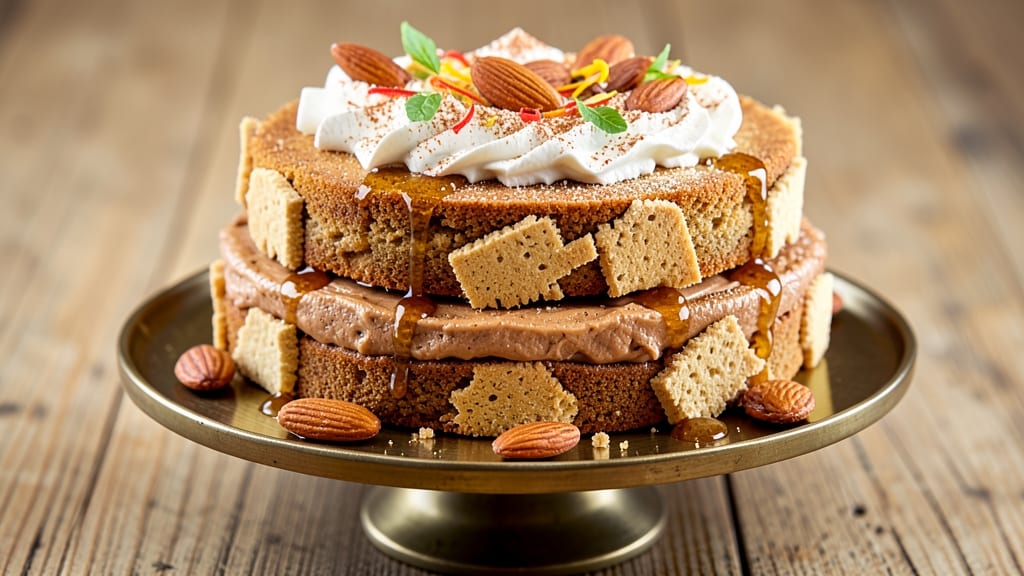
This almond flour spice cake recipe delivers the perfect balance of nutty richness and warm cinnamon swirls—no dry crumbs in sight. 🌟 The secret lies in almond flour's ability to create a tender, moist crumb while spices like cinnamon and nutmeg infuse every bite with cozy flavor.
I've perfected this recipe after years of baking, ensuring it stays tender even when sliced the next day.
What sets this cake apart is its foolproof technique: combining almond flour with a touch of all-purpose flour for structure, while a simple syrup glaze keeps the crumb ultra-moist. The cinnamon swirls aren't just decorative—they add layers of warmth that make this cake feel like a hug in dessert form.
Baking at a precise temperature ensures even rising without cracking.
By the time it emerges from the oven, you'll have a cake with a golden dome, fragrant with spices, and a texture that's impossibly tender yet sturdy enough to slice cleanly.
The nutty flavor from the almond flour pairs beautifully with the sweet-spiced filling, creating a dessert that's both elegant and comforting.
Perfect for holiday gatherings or a special weekend treat, this cake pairs wonderfully with whipped cream or a dollop of vanilla ice cream. Let's get baking!
Ingredients for almond flour spice cake
Almond flour's nutty richness meets warm spices for a cake that's moist, tender, and perfect for any occasion.
| Ingredient | Amount | Notes |
|---|---|---|
| Almond Flour 🌰 | 2 ½ cups | Finely ground, unsweetened preferred |
| All-Purpose Flour 🌾 | ½ cup | For structural balance |
| Granulated Sugar 🍚 | 1 ½ cups | White or light brown |
| Light Brown Sugar 🍚 | ½ cup | Packed firmly |
| Unsalted Butter 🧈 | 1 cup | Room temperature, full-fat |
| Large Eggs 🥚 | 3 whole | Room temperature, beaten |
| Vanilla Extract 🌿 | 1 tbsp | Pure extract preferred |
| Ground Cinnamon 🌶️ | 2 tsp | Freshly ground if possible |
| Ground Nutmeg 🌶️ | ½ tsp | Freshly grated preferred |
| Ground Cloves 🌶️ | ¼ tsp | Lightly toasted for depth |
| Salt 🧂 | ½ tsp | Fine sea salt preferred |
| Milk 🥛 | ½ cup | Whole milk for richness |
| Simple Syrup 🍯 | ¼ cup | Equal parts sugar/water |
| Powdered Sugar 🍚 | ½ cup | For glaze, sifted |
The almond flour is non-negotiable here—Bob's Red Mill or Anthony's Goods are my go-tos for consistent texture. Look for finely ground, unsweetened almond flour; anything coarse will give you a gritty bite. The all-purpose flour acts as a binder, so don't skip it—it's what keeps this cake from crumbling. For the butter, Plugrá or Land O'Lakes work perfectly, but make sure it's room temperature when you measure. The difference between room temp and cold butter is noticeable in the final crumb. As for spices, Penzeys bulk bins have the freshest ground cinnamon and nutmeg—worth the extra few cents if you're spice-conscious.
No almond flour? Substitute with 1:1 almond meal, but pulse it extra times in your food processor for a finer texture. Running short on vanilla? Vanilla bean paste works too, though you'll need half the amount. The simple syrup can be made ahead—just heat equal parts sugar and water until dissolved, then cool. For the glaze, powdered sugar is key, but if you only have granulated, blend it in your food processor for 30 seconds to mimic the texture. Want more warmth? Add a pinch of cardamom to the spice mix—it pairs beautifully with cinnamon. The eggs can be separated if you're concerned about richness, but I've never found it necessary for this recipe.
Store the cake in an airtight container at room temperature for up to 3 days, or refrigerate for 5-6 days if you're prepping ahead. The glaze will harden slightly but softens at room temp. For extra-special occasions, wrap the whole cake in plastic wrap and freeze it for up to 3 months. Thaw overnight in the fridge before serving. The syrup glaze keeps the cake moist, but if you're worried about sogginess, brush it on just before serving. This cake reheats beautifully—10 seconds in the microwave per slice restores its warmth without drying it out.
Why You'll Love This Recipe
- No Mixer Needed: I swear by this—just cream the butter and sugars, toss in dry ingredients, and fold. The almond flour keeps it light without requiring a stand mixer or even much elbow grease. Honestly, my blender’s seen more action than my kitchen counter lately.
- Buttery Spice Bomb: That combo of brown sugar and butter? It’s like a warm hug in cake form. The almond flour adds nutty depth while the all-purpose keeps it tender—no dry crumb here. (Yes, even on a Tuesday night.)
- Weekend Leftovers: Bake one, eat three servings, then stash the rest for days. The texture holds up surprisingly well, and it’s perfect for breakfast toast or a midday pick-me-up. My go-to when I forget to meal prep.
- Budget-Friendly Luxe: Almond flour’s pricey, but this recipe uses just enough to make it special without breaking the bank. The rest is basic pantry stuff—sugar, butter, flour. It’s the kind of treat that feels fancy but won’t drain your wallet.
Step-by-step instructions for almond flour spice cake
Here's how to create a perfectly moist, nutty cake with warm spice swirls every time.
👨🍳 Step 1: Prepare the Spice Swirl Dough
In a medium bowl, combine the 2.5 cups almond flour, 0.5 cup all-purpose flour, 2 tsp ground cinnamon, 0.5 tsp ground nutmeg, 0.25 tsp ground cloves, and 0.5 tsp salt. Whisk vigorously for 30 seconds until the spices are evenly distributed and no flour streaks remain. This ensures maximum flavor infusion throughout the cake.
Next, cut in the 1 cup unsalted butter using a pastry cutter or fork until the mixture resembles coarse crumbs with pea-sized butter pieces. The texture should be uniform but still slightly crumbly—this prevents a dense cake. Press half of this spice mixture into the bottom of a 9-inch round cake pan and smooth it evenly with a spatula. This creates the flavorful base layer.
🍳 Step 2: Cream Butter and Sugars
In a stand mixer fitted with the paddle attachment, beat the 1 cup unsalted butter on medium speed until completely smooth and creamy, about 2-3 minutes. This step is crucial for incorporating air into the batter, which helps create a light texture. Gradually add the 1.5 cups granulated sugar and 0.5 cup light brown sugar, mixing on medium-high speed for 3-4 minutes until the mixture is light and fluffy.
You'll know it's ready when the mixture nearly doubles in volume and leaves clean streaks on the bowl. The butter should be pale in color with no visible sugar granules. This thorough creaming ensures proper aeration for that signature moist crumb. Scrape down the sides of the bowl with a rubber spatula to ensure even mixing.
👨🍳 Step 3: Combine Wet Ingredients
Add the 3 whole large eggs, one at a time, mixing on low speed for 30 seconds after each addition. This gradual incorporation prevents the eggs from breaking. Stir in the 1 tbsp vanilla extract and 0.5 cup milk until just combined—about 1 minute on low speed. The batter should be smooth with no visible streaks of egg or milk.
With the mixer still running on low speed, gradually add the remaining spice mixture from the bowl, mixing just until incorporated. Be careful not to overmix at this stage—stop as soon as the batter comes together. The ideal consistency should be thick but pourable, similar to heavy cream. If it's too thick, add 1-2 tablespoons of milk to reach the proper texture.
🥘 Step 4: Assemble and Bake
Pour the batter over the spice base in the prepared cake pan, spreading it evenly. Place the pan in the refrigerator for 30 minutes to allow the batter to set slightly. Preheat your oven to 350°F while the cake chills. This step prevents excessive spreading during baking and helps maintain the swirl effect.
Bake for 40-45 minutes, or until a toothpick inserted in the center comes out clean. The cake should be golden brown on top with a slightly domed appearance. If the top browns too quickly, tent loosely with aluminum foil after 25 minutes to prevent over-browning while ensuring even cooking. The internal temperature should reach 205-210°F for perfect moisture.
⏰ Step 5: Glaze and Serve
While the cake is still warm, prepare the glaze by whisking together the 0.5 cup powdered sugar and 0.25 cup simple syrup until smooth. Immediately pour the glaze over the hot cake and let it sit for 5 minutes to allow the glaze to set. This warm glaze application ensures it melts into the cake rather than sitting on top.
Allow the cake to cool completely in the pan for 1 hour, then carefully transfer it to a wire rack. The cake will be moist and tender with warm cinnamon swirls throughout. Serve slices at room temperature for the best texture—each bite should deliver that signature nutty almond flavor with a perfect balance of sweetness and spice.
Pro Tips For Making Almond Flour Spice Cake
- Whisk the Butter Cold: Take that unsalted butter straight from the fridge—no softening needed. I used to melt it first, and the cake turned out dense and greasy. Cold butter creates pockets of air when creamed with sugar, which is non-negotiable for that light, fluffy texture you’re after.
- Sift the Almond Flour: Don’t skip this, even if the bag says "fine." Almond flour clumps like a stubborn toddler, and those lumps sink to the bottom, leaving a dry, uneven crumb. Sift it directly into your bowl—yes, it’s messy, but it’s worth it.
- Skip the Overmixing: The moment your batter looks like pancake batter, stop stirring. Overmixing develops gluten in the all-purpose flour, and suddenly you’ve got a tough, chewy cake instead of the tender crumb you want. Mix just until the dry ingredients disappear—about 10 strokes max.
- Rotate the Pan: Almond flour cakes bake unevenly—hot spots form where the oven’s heat hits hardest. After 20 minutes, swap the pan front to back (and maybe side to side if you’re paranoid). This evens out the color and texture, so no one slice is sadder than the next.
Pro cooking tips for this dish
Butter Temperature Matters
The room temperature of your butter is non-negotiable for this recipe. Cold butter creates pockets of fat that won't emulsify properly, resulting in a dense cake. I recommend letting your butter sit at room temperature for 1-2 hours before using.
Test it by pressing your finger into the butter—it should leave a slight indentation but hold its shape. If you're in a hurry, place the butter in a bowl of warm water for 10 minutes to speed up the process. 🌡️
Spice Freshness Counts
Ground spices lose their potency quickly, so always use freshly ground cinnamon, nutmeg, and cloves. I prefer to toast whole spices lightly before grinding for an extra layer of depth.
Spread 1 tsp each of cinnamon sticks and whole nutmeg on a baking sheet and toast in a 300°F oven for 5 minutes, then grind in a spice grinder. This simple step transforms ordinary spices into aromatic powerhouses.
Refrigerate Before Baking
Chilling the assembled cake batter for 30 minutes before baking is a game-changer. This crucial step prevents excessive spreading and helps maintain those beautiful cinnamon swirls. I place my cake pan on the middle rack of the fridge to ensure even cooling.
The batter should firm up slightly but still be soft to the touch. Pro tip: Use a 9-inch round cake pan with a removable bottom for easier release after baking.
Oven Calibration Check
Oven temperature accuracy is critical for this delicate cake. I recommend calibrating your oven using an oven thermometer before baking. Most home ovens run 25-35°F hotter than the set temperature. For this recipe, aim for a true bake temperature of 350°F—adjust your oven setting accordingly.
The cake should have a golden dome with a slightly cracked top, indicating perfect doneness. If your oven runs hot, reduce the temperature to 340°F for even baking.
Glaze Timing Trick
Applying the glaze while the cake is still warm is essential for maximum moisture infusion. I pour the glaze over the hot cake and let it sit for 5 minutes before cooling completely. This warm application allows the syrup to penetrate the cake's surface, creating that signature moist texture.
For extra shine, brush a little extra simple syrup over the cake after it cools. The glaze should set to a matte finish rather than a sticky surface.
Almond Flour Storage Tip
Store your almond flour in the freezer to preserve freshness and prevent rancidity. I keep mine in a quart-sized airtight container in the freezer for up to 6 months. When you're ready to use it, let it sit at room temperature for 10 minutes before measuring.
Cold almond flour can compact in your measuring cup, leading to inaccurate amounts. Always measure by weight if possible—I use a digital kitchen scale for precise 120 grams per cup** of almond flour.
Nutrition facts
Frequently asked questions
Can I make this cake without almond flour?
You can substitute almond flour with 1:1 almond meal, but pulse it extra times in your food processor for a finer texture. For a different texture, try 1 cup coconut flour plus 1 extra egg, though the flavor will be less nutty. The cake will be denser but still delicious!
Why does my spice cake turn out dry?
Dryness usually happens from overbaking or using old almond flour. Always bake until a toothpick comes out clean (205-210°F internal temp) and store almond flour in the freezer. For extra moisture, brush the warm cake with simple syrup or add 1 tbsp yogurt to the batter.
How do I make this cake gluten-free?
Replace the 0.5 cup all-purpose flour with 0.5 cup gluten-free 1:1 baking flour (like Bob's Red Mill). For best results, also add 0.5 tsp xanthan gum to maintain structure. The cake will still be tender but slightly more delicate—slice carefully!
Can I bake this in a different pan size?
For a 8-inch pan, reduce bake time by 5-7 minutes (check at 35 minutes). For a 10-inch pan, increase bake time to 50-55 minutes. Adjust oven temp by 5°F hotter for smaller pans or 5°F cooler for larger ones to prevent uneven baking.
What's the best way to store leftovers?
Wrap slices in plastic wrap and store in an airtight container at room temperature for 2 days or refrigerate for 5 days. For longer storage, freeze slices (unfrosted) for up to 3 months300°F oven for 5 minutes or microwave for 10 seconds.