Desserts
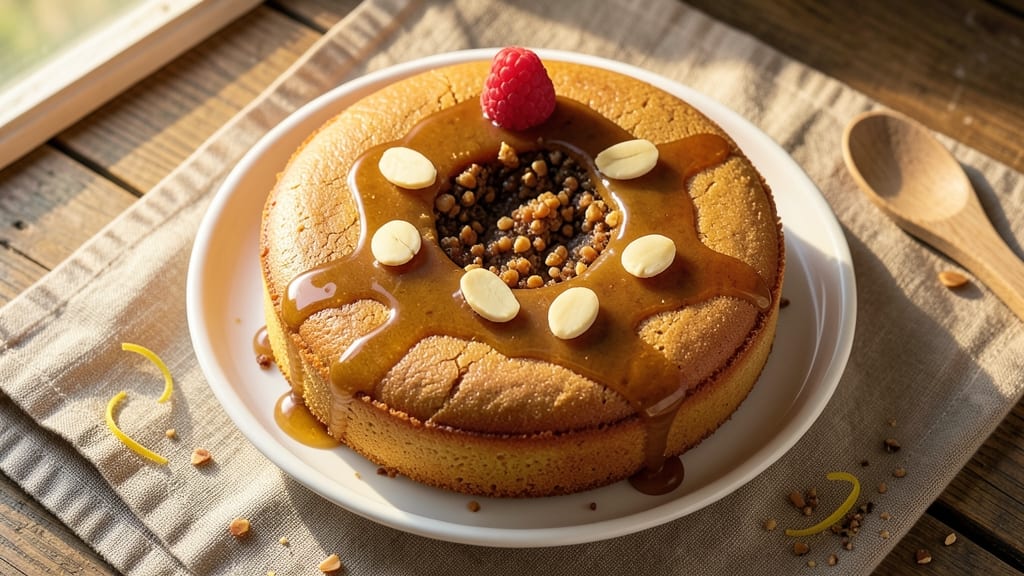
This almond pulp cake delivers moist, nutty richness without the dryness of traditional almond flour cakes. The secret lies in blending almond pulp with a touch of coconut oil and applesauce—creating a tender crumb that stays moist for days.
I developed this recipe after struggling with almond flour cakes that turned out dense or crumbly, and this version finally cracked the code.
The magic happens in the batter: almond pulp replaces traditional almond flour, while a simple syrup glaze locks in moisture and adds a subtle sweetness. This cake bakes in just 35-40 minutes at 350°F, yielding layers of delicate texture with a delicate almond aroma that lingers with every bite.
Perfect for those who love nutty flavors but hate dry cakes.
What sets this apart is how effortlessly it balances texture and flavor—no grittiness, no heaviness, just a tender, slightly crumbly cake with a natural sweetness that doesn't overpower.
The almond pulp gives it that signature nutty depth while keeping it light enough to slice neatly. Ideal for brunch, dessert, or even a sophisticated snack.
Pair it with fresh berries or a dollop of whipped cream to highlight its natural sweetness. The recipe scales perfectly for gatherings, and leftovers stay fresh for up to 5 days when stored properly. Let's make this cake that finally delivers on almond flavor without compromise.
Ingredients for almond pulp cake
Eight simple ingredients create this tender almond pulp cake with perfect moisture balance.
| Ingredient | Amount | Notes |
|---|---|---|
| Almond Pulp 🌰 | 2 cups | Finely ground for smooth texture |
| All-Purpose Flour 🌾 | ½ cup | Balances almond pulp's density |
| Granulated Sugar 🍚 | 1 ½ cups | Light brown sugar for depth |
| Unsalted Butter 🧈 | 1 cup | Cold, cubed for better mixing |
| Large Eggs 🥚 | 2 whole | Room temperature for even baking |
| Unsweetened Applesauce 🍎 | ½ cup | Adds moisture without heaviness |
| Coconut Oil 🥥 | ¼ cup | Melted, enhances tenderness |
| Baking Powder 🍞 | 1 ½ tsp | Diamond Crystal preferred |
| Ground Cinnamon 🌿 | 1 tsp | Warm spice for balance |
| Vanilla Extract 🌸 | 1 tsp | Pure, high-quality preferred |
| Salt 🧂 | ½ tsp | Fine sea salt preferred |
| Milk 🥛 | ½ cup | Room temperature for smooth batter |
| Water 💧 | ¼ cup | For simple syrup glaze |
| Granulated Sugar 🍚 | ¼ cup | For glaze, dissolves easily |
The almond pulp is the star here—Bob's Red Mill or Trader Joe's carry the best quality in bulk bins. Look for a fine, powdery texture rather than coarse chunks, as this ensures a silky batter. If you can't find almond pulp, blend almond flour in a food processor for 2-3 minutes to mimic the pulp's texture. The coconut oil adds richness without the heaviness of butter, and I always grab the virgin, unrefined kind for its subtle nuttiness. For the applesauce, unsweetened is key—any added sugar will throw off your sweetness balance.
No almond pulp? Blend almond flour until ultra-fine—it won't be identical, but it works in a pinch. Swap the coconut oil for avocado oil if you're avoiding coconut flavor, though the texture will be slightly different. For the glaze, if you're short on time, powdered sugar mixed with milk works just as well. The baking powder is non-negotiable—Diamond Crystal has a lighter lift than other brands, so measure carefully. If your recipe calls for 1.5 tsp but you only have measuring spoons, level it off—don't scoop directly from the container. The vanilla extract should smell potent—if it's faint, double the amount.
Store the cake in an airtight container at room temperature for up to 3 days, or refrigerate for 5 days if you're prepping ahead. The glaze will harden slightly when cold, so bring it to room temperature before serving. For longer storage, freeze the cake without the glaze—thaw overnight in the fridge, then add the glaze when ready to serve. The almond pulp cake reheats beautifully—30 seconds in the microwave restores its softness. I always slice it the day it's made, as the texture firmens slightly over time.
Why You'll Love This Recipe
- Same batter, endless uses: slice it for breakfast toast, layer it for a dessert trifle, or serve it warm with ice cream. Honestly, I’ve even used leftover crumbs to top yogurt when I’m lazy.
- No Mixer Needed: I swear by this recipe when my mixer’s on the fritz—just cream butter and sugar by hand, then fold in eggs and almond pulp. The texture comes out tender without a single extra bowl to scrub.
- Nutty Magic: That almond pulp? It’s the star—rich, buttery, and just sweet enough to make you forget it’s "healthy." The eggs keep it moist, and the butter? Well, let’s just say it’s worth every calorie.
- Weekday & Weekend: Same batter, endless uses: slice it for breakfast toast, layer it for a dessert trifle, or serve it warm with ice cream. Honestly, I’ve even used leftover crumbs to top yogurt when I’m lazy.
Step-by-step instructions for almond pulp cake
Here's how to create a perfectly moist almond cake with rich texture and nutty depth.
Prepare the Wet Ingredients
In a large mixing bowl, combine the 2 cups almond pulp with the 1 cup unsalted butter and 1.5 cups granulated sugar. Using an electric mixer on medium speed, beat these ingredients together for 3-4 minutes until light and fluffy. The mixture should nearly double in volume and become pale in color. This creaming process incorporates air, which creates a tender crumb.
Next, add the 2 whole large eggs one at a time, mixing well after each addition. Then stir in the 0.5 cup unsweetened applesauce, 0.25 cup melted coconut oil, 1 tsp vanilla extract, and 0.5 cup milk. Mix until completely combined. The applesauce adds moisture while keeping the cake light, and the coconut oil enhances tenderness without adding heaviness.
Combine Dry Ingredients
In a separate bowl, whisk together the 0.5 cup all-purpose flour, 1.5 tsp baking powder, 1 tsp ground cinnamon, and 0.5 tsp salt. Sift the dry ingredients directly into the wet mixture to prevent lumps. Gently fold everything together using a spatula until just combined—you should still see some flour streaks. Overmixing develops gluten, which can make the cake dense.
The cinnamon and baking powder work together to create lift while balancing the almond flavor. The flour helps bind the mixture, but we use just enough to avoid dryness. This step ensures the cake will rise properly without becoming heavy.
Bake to Golden Perfection
Preheat your oven to 350°F and grease an 8-inch round cake pan or line it with parchment paper. Pour the batter into the prepared pan and smooth the top with a spatula. Bake for 35-40 minutes, or until a toothpick inserted into the center comes out clean. The edges should be golden brown, and the top should spring back when gently pressed.
I recommend checking the cake at the 30-minute mark because ovens vary. If the top browns too quickly, tent the cake with foil to prevent overbrowning while allowing the center to cook through. The cake should be moist but not gummy when done.
Prepare the Simple Syrup Glaze
While the cake bakes, prepare the glaze by combining the 0.25 cup granulated sugar and 0.25 cup water in a small saucepan. Bring to a boil over medium heat, stirring until the sugar dissolves completely. Let the syrup cool for 5 minutes until it reaches room temperature. This simple syrup adds moisture and a subtle sweetness to the cake.
Once the cake is cooled to room temperature, carefully pour the syrup over the top and let it absorb for 10-15 minutes. The glaze will enhance the cake's moisture and give it a beautiful sheen. Serve slices at room temperature for the best texture and flavor.
Pro Tips For Making Almond Pulp Cake
- Sift the Pulp: Almond pulp is sneaky—it packs like sand and loves to clump. Sift it through a fine-mesh sieve with the flour before mixing to break up any hidden lumps and guarantee a silky, even batter. (Yes, even if it feels like overkill.)
- Cream Butter Cold: Unsalted butter straight from the fridge is your friend here. Beat it with the sugar until it’s pale and fluffy—about 3-4 minutes—but resist the urge to rush. Warm butter = dense cake. Trust the process.
- Don’t Overmix: Almond pulp cakes lean dry, so the moment you add the eggs, stop mixing after just 10-12 strokes. Overworking the batter introduces air that’ll collapse in the oven, leaving you with a brick instead of a tender crumb.
- Test for Doneness Early: These cakes bake fast—pull them when the edges are set but the center still jiggles slightly. A toothpick might come out clean, but the middle should spring back like a trampoline. Overbaking turns them into almond-flavored cardboard.
Storing and reheating your almond pulp cake
Room Temperature Storage
Keep your almond pulp cake at room temperature in an airtight container for up to 3 days. The almond pulp stays fresher this way, and the glaze remains soft and glossy.
I store mine wrapped in parchment paper inside the container to prevent drying. Just slice when ready to serve—no reheating needed for this method. 🌰
Refrigerator Refresh
For longer storage, refrigerate the cake for up to 5 days. The cold air preserves moisture, but the glaze may harden slightly. Let it sit at room temperature for 15-20 minutes before slicing to restore its soft texture.
I like to bring out a slice straight from the fridge for a cool, refreshing treat on hot days. 💧
Freezer-Friendly Prep
Freeze the cake (without glaze) for up to 3 months in an airtight freezer bag or aluminum foil-wrapped container. Thaw overnight in the fridge, then add the glaze when ready to serve.
The texture remains tender, though slightly denser after freezing. This is my go-to method for making ahead for holidays. ❄️
Reheating for Softness
If your cake feels dry after storage, reheat slices in the microwave for 10-15 seconds or warm in a 200°F oven for 5 minutes. The heat reactivates the glaze and restores moisture. For best results, slice before freezing or refrigerating—this cake holds up better when fresh-cut. 🔥
Glaze Preservation Tips
Store the simple syrup glaze separately in a small airtight jar in the fridge for up to 1 week. Reheat gently in the microwave (10 seconds) before drizzling over cake.
I often make extra glaze to use on other desserts like pancakes or waffles. The syrup keeps beautifully and adds sweetness to any dish. 🍯
Nutrition facts
Frequently asked questions
Can I substitute almond pulp with almond flour?
You can try, but the texture won't be identical. Almond pulp creates a finer, more tender crumb, while almond flour can make the cake slightly denser. If substituting, blend almond flour in a food processor for 2-3 minutes until ultra-fine to mimic the pulp's texture. Use the same amount as called for in the recipe.
Why does my almond pulp cake turn out dry?
Dryness usually happens from overbaking or insufficient moisture. Always check the cake at 30 minutes—it should spring back when pressed. If your oven runs hot, tent with foil. For extra moisture, add 1 tablespoon more applesauce or 1 teaspoon coconut oil to the batter. The glaze also helps retain moisture, so don't skip it!
Is this cake gluten-free?
No, this recipe contains all-purpose flour, which is not gluten-free. For a GF version, replace the flour with 1 cup gluten-free 1:1 baking flour and add 0.5 teaspoon xanthan gum to maintain structure. The texture will be slightly different but still moist. Always check your GF flour blend for baking powder compatibility.
Can I make this cake without eggs?
Yes! Replace the 2 eggs with 2 tablespoons ground flaxseed mixed with 6 tablespoons water (let sit for 5 minutes to thicken). For a lighter texture, use 0.5 cup unsweetened applesauce as an egg substitute. The cake may be slightly less fluffy but will still be tender and moist. Let the batter rest for 10 minutes before baking.
How do I prevent the cake from sticking to the pan?
Grease your 8-inch round pan thoroughly with butter or baking spray, then line the bottom with parchment paper. For extra insurance, dust the pan lightly with flour after greasing. Avoid overgreasing, as excess oil can make the cake greasy. The almond pulp batter is naturally sticky, so proper pan prep is key!