
Desserts
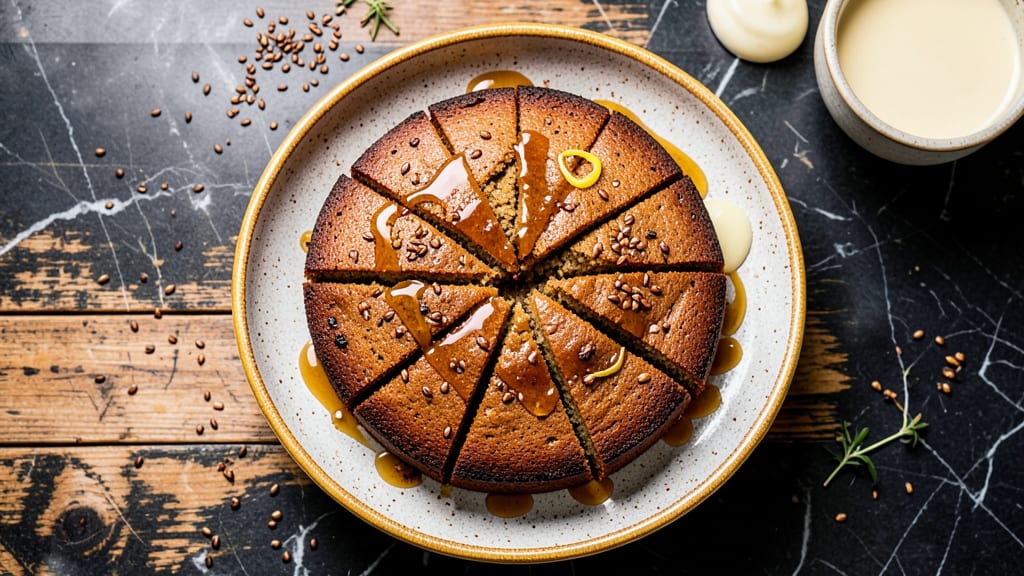
Amaranth cake delivers earthy, nutty richness with a moist crumb that defies gluten-free expectations. This vegan recipe transforms amaranth flour into a tender, flavorful dessert using flax eggs and plant-based milk—no dryness here.
The secret lies in balancing the grain’s natural density with just the right amount of moisture, creating a cake that’s both hearty and delicate.
What sets this recipe apart is how it highlights amaranth’s nutty depth while keeping the texture light and airy.
Unlike traditional gluten-free cakes that often turn dense, this version stays moist and satisfying, thanks to a simple technique: combining the flour with wet ingredients until just combined, then letting the batter rest before baking. The result? A cake with a fine crumb and subtle sweetness that lingers.
Perfect for celebrations or a cozy afternoon treat, this cake pairs beautifully with a dusting of powdered sugar or a drizzle of caramel. The flavor profile—earthy yet approachable—makes it a standout for both health-conscious bakers and those craving something different.
Let’s get started on a dessert that surprises with every bite.
Don’t worry if you’ve never worked with amaranth before; this recipe is foolproof for beginners. The key is patience—allowing the batter to hydrate fully ensures a tender crumb, and the baking time is forgiving. Whether you’re gluten-free, vegan, or simply exploring new grains, this cake delivers restaurant-quality results at home.
Ingredients for amaranth cake
Earthy amaranth flour meets tender vegan technique for a cake that surprises with moisture.
| Ingredient | Amount | Notes |
|---|---|---|
| Amaranth Flour 🌾 | 1 ½ cups | Finely milled, gluten-free preferred |
| Unsweetened Almond Milk 🥛 | 1 ½ cups | Plant-based, unsweetened preferred |
| Ground Flaxseed 🌿 | 3 tbsp | For flax eggs, mix with water |
| Pure Maple Syrup 🍯 | ½ cup | Grade B for robust flavor |
| Coconut Oil 🥥 | ½ cup | Melted, not solid |
| Vanilla Extract 🌸 | 1 tbsp | Pure, no alcohol preferred |
| Baking Powder 🧂 | 1 tsp | Aluminum-free preferred |
| Salt 🧂 | ½ tsp | Fine sea salt preferred |
| Orange Zest 🍊 | 1 tbsp | Fresh, finely grated |
| Orange Juice 🍊 | ¼ cup | Freshly squeezed |
| Powdered Sugar 🍰 | ½ cup | For dusting, optional |
| Water 💧 | ¼ cup | Room temperature |
Amaranth flour is the star here, and Bob's Red Mill or Anthony's Goods brands deliver the finest texture. Look for a vibrant, golden hue—this indicates freshness and optimal flavor. If you can't find amaranth flour, buckwheat flour works as a substitute, though the flavor profile will differ slightly. For the almond milk, unsweetened vanilla almond milk adds subtle depth without sweetness, but any plant-based milk will work. The coconut oil should be the unrefined variety for its rich, caramel notes that complement the amaranth's earthiness.
No amaranth flour? Substitute with a 1:1 blend of brown rice flour and tapioca starch—it won't have the same nutty depth, but the texture will be comparable. Short on flaxseed? Chia seeds work at the same ratio, though they yield a slightly firmer batter. The orange zest and juice can be swapped for lemon if you prefer a brighter tang, though orange pairs beautifully with amaranth's natural sweetness. For a more decadent version, add 0.25 cup of melted vegan dark chocolate to the batter. The powdered sugar is optional but recommended for that restaurant-quality finish.
Store the cake in an airtight container at room temperature for up to 3 days, or refrigerate for 5 days to preserve freshness. The batter can be prepped ahead and refrigerated overnight for even better moisture. For best results, bake immediately after mixing—this ensures the flax eggs bind properly. If you're making this for a crowd, double the recipe; the texture holds beautifully in a larger pan. The cake reheats well, so a quick 10-second zap in the microwave restores its warmth.
Why You'll Love This Recipe
- No Mixer Needed: I swear by this—just stir, pour, bake. The amaranth flour blends like a dream with almond milk and coconut oil, no lumps, no stress. Honestly, my blender gets a break for once.
- Maple-Coconut Magic: That pure maple syrup isn’t just sweet—it’s rich, with a depth that pairs perfectly with the nutty amaranth and creamy coconut oil. It’s the kind of flavor that makes you pause mid-bite.
- Breakfast or Dessert: Serve it warm with a drizzle of syrup for a pancake vibe, or dust it with cinnamon for a dessert that feels special. Between us, I’ve had it both ways—and my kids don’t care what I call it.
- Stays Fresh, Costs Less: The flaxseed egg binder keeps it moist for days, and amaranth flour is cheaper than most specialty flours. I’ve had slices last a week in the fridge, and the taste? Still spot-on. Budget win.
Step-by-step instructions for amaranth cake
This gluten-free amaranth cake delivers rich moisture and nutty depth through precise technique.
Prepare the Flax Eggs and Wet Ingredients
In a small bowl, combine the 3 tbsp ground flaxseed with the 0.25 cup water. Let this mixture sit for 5 minutes while you prepare the rest—it will thicken into a gel-like consistency that replaces traditional eggs. This step is crucial for binding our gluten-free batter.
In a separate large mixing bowl, whisk together the 1.5 cups unsweetened almond milk, 0.5 cup melted coconut oil, 0.5 cup pure maple syrup, 1 tbsp vanilla extract, and 0.25 cup orange juice. The almond milk should be room temperature to ensure proper emulsification with the coconut oil. Stir until completely smooth, then fold in the thickened flax mixture until fully incorporated.
Combine Dry Ingredients and Create the Batter
In a medium bowl, sift together the 1.5 cups amaranth flour, 1 tsp baking powder, and 0.5 tsp salt. This prevents lumps and ensures even distribution of leavening. Gently whisk in the 1 tbsp orange zest to infuse the cake with bright citrus notes without overpowering the earthy amaranth flavor.
With the mixer on low speed, gradually add the dry ingredients to the wet mixture, mixing just until combined—no more than 30 seconds. Overmixing develops gluten in the amaranth, which can make the cake dense. The batter should be smooth and slightly thick, similar to pancake batter. If it appears too thick, add 1 tablespoon of almond milk at a time until it reaches a pourable consistency.
Bake Until Golden and Springy
Preheat your oven to 350°F and grease an 8-inch round cake pan or line it with parchment paper. Pour the batter into the prepared pan and smooth the top with a spatula. Bake for 35-40 minutes until a toothpick inserted in the center comes out clean and the edges are golden brown. The cake should spring back slightly when pressed in the center.
Real talk: Amaranth cakes can dry out if overbaked, so start checking at the 30-minute mark. If the top browns too quickly, tent loosely with aluminum foil. The internal temperature should reach 205-210°F for perfect moisture. Remove from the oven and let cool in the pan for 10 minutes before transferring to a wire rack to cool completely.
Dust and Serve for Maximum Flavor
Once completely cooled, dust the top of the cake generously with the 0.5 cup powdered sugar using a fine-mesh sieve. This creates a delicate, snowy finish that balances the cake's natural earthiness. The powdered sugar also helps absorb any excess moisture, keeping each slice perfectly moist.
Slice the cake into 8 equal wedges and serve immediately for the best texture. If storing, wrap tightly in plastic wrap and keep at room temperature for up to 3 days, or refrigerate for up to 5 days. The cake's moisture content means it's best enjoyed fresh, but it holds up well when properly stored. Pair with a dollop of whipped coconut cream for a tropical twist.
Pro Tips For Making Amaranth Cake
- Whisk the Flaxseed: Mix the ground flaxseed with almond milk first—let it sit for 5 minutes to thicken properly. I learned this the hard way when my first batch turned out gummy because I skipped the wait. That extra time makes all the difference in texture.
- Preheat for 10 Minutes: Bake at 350°F (175°C) but give your oven a full 10-minute preheat—amaranth flour loves a steady, hot start. After burning the edges of two cakes, I finally realized my old oven needed more time to stabilize.
- Melt the Coconut Oil: Use melted coconut oil, not solid—it blends smoother and prevents dry spots in the cake. I was skeptical until I tried it, and now I can’t imagine doing it any other way.
- Avoid Overmixing the Batter: Stir just until combined—amaranth flour gets dense fast if you go overboard. I used to beat it like pancake batter, and the result? A brick. Keep it gentle.
Essential equipment for this recipe
Mixing Essentials
Start with a stand mixer fitted with the paddle attachment—this ensures even mixing without overworking the delicate amaranth batter. I use my KitchenAid Artisan Series (affordable and powerful enough) for consistent results.
For hand mixers, opt for a Cuisinart Power Advantage with variable speeds to control the batter’s texture precisely. 💫
Measuring Tools
Precision matters with gluten-free baking, so invest in a stainless steel measuring cups set (like OXO Good Grips) for accurate dry ingredient measurements. For liquids, a clear glass measuring cup with markings ensures you hit the exact 1.5 cups almond milk and 0.5 cup maple syrup without spills.
A fine-mesh sieve (I love the Norpro brand) is non-negotiable for sifting the amaranth flour to avoid lumps.
Baking Pans
An 8-inch round cake pan is ideal for this recipe, but a 9x9-inch square pan works too—just reduce baking time by 5-7 minutes. I recommend Wilton Non-Stick pans for easy release, or line your pan with parchment paper if using a less non-stick option.
For a rustic finish, try a cast-iron skillet (preheated for 5 minutes at 350°F)—it adds a subtle crisp to the edges.
Cooling & Serving
A wire cooling rack is a must for even cooling—transfer the cake after 10 minutes in the pan to prevent sogginess. For dusting powdered sugar, use a sieve with a fine mesh (like Microplane’s food mill) to avoid clumps.
A sharp serrated knife (I prefer Mercer Culinary) ensures clean slices without tearing the delicate crumb. 🍰
Optional Upgrades
For a food processor, add 0.25 cup toasted amaranth groats to the batter for extra texture and crunch. A digital thermometer (like Thermoworks) helps track the cake’s internal temperature (205-210°F) for foolproof doneness.
If you love citrus, a zester (like Microplane) makes quick work of the 1 tbsp orange zest—no knife required!
Nutrition facts
Frequently asked questions about amaranth cake
Why does amaranth cake turn out dense if I overmix the batter?
Amaranth flour contains natural gluten-like proteins that activate when overmixed, creating a tough, dense texture. The recipe calls for mixing just until combined (30 seconds max) to preserve the cake's light, airy crumb. Think "gentle folds" rather than vigorous stirring.
Can I substitute amaranth flour with regular flour?
Not recommended—regular flour lacks the earthy depth and moisture-retention properties of amaranth. For a similar texture, use a 1:1 gluten-free blend (like brown rice flour + tapioca starch), but expect a milder flavor. The cake will still be delicious, just less nutty and hearty.
How do I fix a cake that's cracked on top?
Cracking usually means the cake baked too quickly or the oven was too hot. Next time, tent with foil at 30 minutes if browning too fast, and check internal temp (205-210°F). For existing cracks, dust with extra powdered sugar or serve with fruit compote to mask them.
Is this cake suitable for nut allergies?
The recipe uses almond milk, which contains nuts. For nut-free versions, swap for oat milk or coconut milk. Check labels carefully—some brands process almond milk in nut-free facilities. The flavor will be slightly different but still delicious.
Can I make this cake in a bundt pan?
A 10-cup bundt pan works perfectly—just reduce baking time by 5 minutes (check at 30 minutes). The intricate shape makes it stunning for special occasions. Grease thoroughly or use baking spray to prevent sticking.