
Main Courses
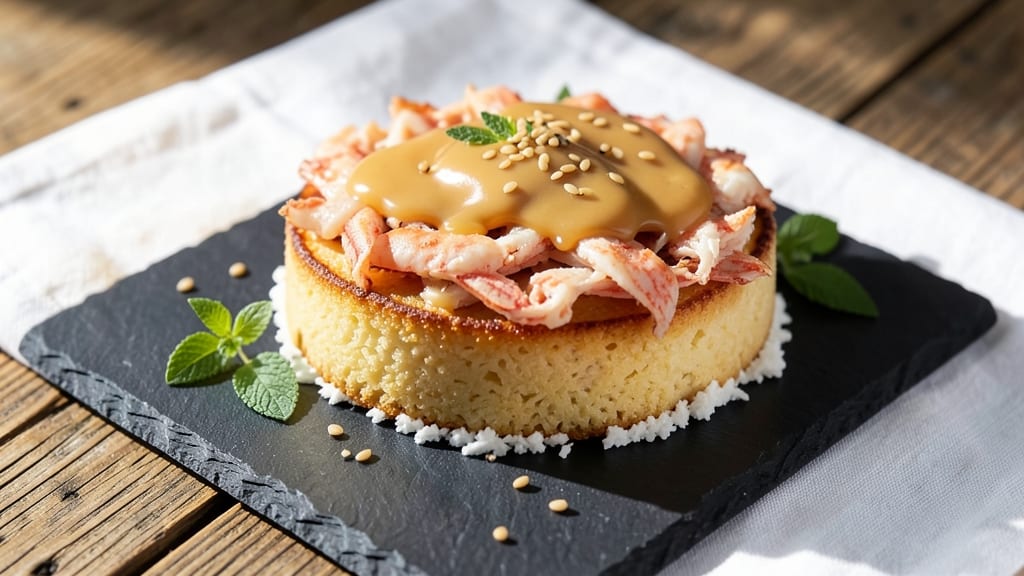
This American rice cake recipe delivers the perfect crispy-fried crunch that's lighter than traditional fried snacks but packed with satisfying texture. 💛 The secret lies in a simple rice flour batter that creates golden, airy pockets while staying sturdy enough to handle dipping—whether you're serving them as appetizers, snacks, or even a unique dessert twist.
Unlike Japanese rice crackers, these American-style versions are fried to a crispy golden finish while maintaining a delicate interior. The batter's simplicity—just rice flour, water, and salt—makes it foolproof, while optional protein additions like crab or chicken elevate them into a savory masterpiece.
Serve with sweet chili sauce, spicy mayo, or even honey for a modern dessert variation.
Ingredients for american rice cake
Simple rice flour batter meets optional protein fillings for crispy-fried American rice cakes with golden perfection.
| Ingredient | Amount | Notes |
|---|---|---|
| Rice Flour 🍚 | 1 cup | Glutinous or short-grain preferred |
| Water 💧 | ¾ cup | Room temperature for ideal batter |
| Kosher Salt 🧂 | ½ tsp | Diamond Crystal preferred for precision |
| Vegetable Oil 🫒 | 3 cups | High smoke point for frying |
| Baking Powder 🍞 | ¼ tsp | For extra crispiness |
| Crab Meat 🦀 | ½ lb | Optional, finely chopped for filling |
| Chicken Breast 🍗 | ½ lb | Optional, finely minced for filling |
| Sweet Chili Sauce 🍶 | ½ cup | For dipping, store-bought or homemade |
| Spicy Mayo 🥣 | ½ cup | For dipping, adjust heat preference |
| Honey 🍯 | ¼ cup | Optional, for dessert variation |
| Cornstarch 🌾 | 1 tbsp | For extra crispiness, optional |
| Sesame Seeds 🌻 | 1 tbsp | Optional, for garnish |
The rice flour is non-negotiable for that signature crispy-yet-delicate texture—Bob's Red Mill brand works best for consistent results. If you can't find glutinous rice flour, short-grain white rice flour is a solid substitute, though the texture will be slightly less tender. For the crab or chicken filling, opt for fresh, high-quality seafood from the market's fish counter or pre-cooked chicken breast from the deli section. The vegetable oil should have a high smoke point—Avocado oil or peanut oil are ideal, but canola oil works in a pinch. Preheat your oil to 375°F for that perfect golden finish.
No crab or chicken? Finely chopped shrimp or tofu make excellent alternatives—just ensure they're thoroughly drained to avoid soggy rice cakes. For a vegetarian option, skip the protein entirely and focus on the crispy batter. The sweet chili sauce and spicy mayo can be store-bought (look for Sriracha-infused mayo for extra heat) or homemade—Maesri brand sauce is a favorite for its balanced sweetness. If you're making the dessert version, local honey adds a luxurious touch, but agave nectar works just as well. For extra crunch, toss the fried cakes in cornstarch while they're still hot.
Store-bought rice cakes lose crispiness quickly, so fry in small batches and keep them warm in a 200°F oven until serving. They reheat beautifully—5 minutes at 350°F restores that golden crunch. For longer storage, freeze them on a tray before transferring to a bag—up to 2 months frozen. Serve immediately for maximum crispiness, or let them sit for 10 minutes to develop deeper flavor. Garnish with sesame seeds right before serving for an elegant touch.
Why You'll Love This Recipe
- Five-Ingredient Magic: I swear by this recipe because it’s that simple—just rice flour, water, salt, oil, and baking powder. No fancy techniques, no last-minute store runs. The dough comes together faster than you can say "rice cake," and honestly? That’s half the battle won.
- Crispy-Creamy Payoff: The secret’s in the baking powder—it gives these little cakes that perfect texture: a golden, shatteringly crisp shell with a pillowy center. (Yes, even on a Tuesday night.) Drizzle them with honey or sprinkle flaky salt, and suddenly, you’ve got something that tastes like a bakery treat.
- Snack Stash Ready: Between us, these keep too well. I make a batch on Sunday, and they’re still crispy by Thursday—great for lunchboxes, office snacks, or when you’re craving something but don’t want to turn on the oven. Store them in an airtight container, and they’ll last for days without getting soggy.
- Budget Breakthrough: Rice flour is cheap—like, "I can afford to feed the whole family" cheap. A bag lasts forever, and you’re not sacrificing flavor for savings. Plus, no weird ingredients or specialty items here. Just pantry basics that turn into something satisfying.
Step-by-step instructions for crispy-fried rice cakes
Master the art of creating golden, shatteringly crisp rice cakes with this foolproof method.
👨🍳 Step 1: Prepare the Perfect Batter
In a medium bowl, whisk together the 1 cup rice flour and 0.25 tsp baking powder until completely combined. This creates a fine powder base that will give your rice cakes their signature crispiness. In a separate bowl, mix the 0.75 cup room temperature water with the 0.5 tsp kosher salt until the salt fully dissolves—this ensures even seasoning throughout the batter.
Slowly pour the wet ingredients into the dry while whisking continuously to avoid lumps. The batter should be thick but pourable, similar to heavy cream. For extra crispiness, sift in the 1 tbsp cornstarch now. Let the batter rest for 10 minutes at room temperature—this allows the starch to fully hydrate and creates a smoother texture when frying.
🔥 Step 2: Heat the Oil to Ideal Temperature
Fill a deep, heavy-bottomed pot with 3 cups vegetable oil to a depth of about 2 inches. Place the pot over medium heat and insert a deep-fry thermometer. Heat the oil until it reaches 360°F—this is crucial for achieving that perfect crispy exterior without burning. If you don't have a thermometer, test the oil by dropping in a small piece of batter: it should sizzle vigorously and rise to the surface immediately.
I like to maintain the oil temperature between 355-365°F throughout frying. Too low and your rice cakes will absorb oil and become greasy; too high and they'll burn before cooking through. Keep the heat steady and use a candy thermometer for precision if possible.
🍳 Step 3: Fry the Rice Cakes to Golden Perfection
Using a small ladle or ice cream scoop, carefully drop 1-tablespoon portions of batter into the hot oil. Work in batches to avoid overcrowding the pan—this ensures even cooking and prevents the oil temperature from dropping significantly. Fry for 1-2 minutes per side until the rice cakes turn a deep golden brown color with crisp edges. They should float to the surface when ready.
Here's the thing—don't press down on them with tongs while frying. The natural buoyancy from the steam inside creates that perfect air pocket we want. You'll know they're done when they release easily from the oil and maintain their shape. Transfer to a paper towel-lined plate to drain excess oil immediately.
🥘 Step 4: Prepare the Fillings and Dipping Sauces
While the rice cakes cool slightly, prepare your fillings. For the savory version, finely chop the 0.5 lb crab meat and 0.5 lb chicken breast separately. Season each with a pinch of salt and a few drops of lime juice to prevent them from drying out. For a sweet variation, mix the 0.25 cup honey with a splash of water to create a drizzling glaze.
Assemble the dipping sauces by combining the 0.5 cup sweet chili sauce and 0.5 cup spicy mayo in separate small bowls. For extra texture, sprinkle the 1 tbsp sesame seeds over the sauces or on top of the rice cakes just before serving. These contrasting sauces create the ultimate flavor balance that makes these rice cakes irresistible.
🍽️ Step 5: Assemble and Serve Immediately
Once the rice cakes have cooled for 2-3 minutes (they'll still be warm to the touch), carefully cut each one in half horizontally. Create a pocket in each half by gently pressing with your thumb, then fill with either the crab meat, chicken mixture, or honey glaze. For presentation, you can also layer the fillings between two rice cakes to create a sandwich-style bite.
Serve immediately with the dipping sauces on the side. The contrast of crispy, airy rice cakes with the creamy-spicy or sweet-savory fillings creates a textural and flavor experience that's hard to beat. These are best enjoyed fresh when they're at their crispest, but you can store leftovers in an airtight container for up to 2 days—just reheat in a dry skillet over medium heat for 30 seconds per side to restore the crunch.
Pro Tips For Making American Rice Cake
- STEAM THE BATTER FIRST: I learned this the hard way—skipping the steam step makes your rice cakes dense and gummy. Bring a pot of water to a rolling boil, then carefully pour the batter through a funnel into the hot water. The steam cooks them evenly from the inside out, giving that signature light, airy texture.
- SIFT THE RICE FLOUR: Clumps in your batter are the enemy of tender rice cakes. Sift the rice flour with the baking powder and salt before mixing with water—this cuts down on lumps and guarantees a smoother, more consistent batter. (Yes, even if you’re in a hurry, take the 30 seconds.)
- DON’T OVERCROWD THE PAN: I used to stack rice cakes too close together, and they’d steam instead of crisp. Space them about an inch apart on a nonstick pan—this lets them develop that crispy bottom without turning soggy. If you’re making a big batch, work in shifts.
- USE COLD WATER: Hot water makes the batter too runny, leading to flat, sad rice cakes. Stick with cold water (even ice water works) to keep the structure tight. The batter should hold its shape when dropped—if it pools, it’s too thin. Add a splash more rice flour if needed.
Troubleshooting your american rice cake
Batter Too Thick?
If your batter feels too thick to work with, add 1 tablespoon of water at a time until it reaches a pourable consistency similar to heavy cream. Overmixing can create gluten, making your rice cakes dense instead of crisp.
I’ve found that room-temperature water blends more smoothly than cold—just give it a quick stir if it’s chilled. 💧
Oil Temperature Issues
If your rice cakes turn greasy instead of crispy, your oil is too cool. Maintain a consistent 355-365°F range using a thermometer—I swear by the ThermoWorks Thermapen for accuracy.
Too hot? They’ll burn before cooking through. Too cool? They’ll soak up oil like a sponge. Test with a small batter piece first.
Soggy Rice Cakes?
This usually means the batter wasn’t fully rested or the oil wasn’t hot enough. Let your batter sit for 10 full minutes before frying—this hydrates the starch properly. Also, avoid stacking freshly fried cakes; place them on a wire rack instead of a plate to prevent steam buildup.
For extra insurance, toss them in cornstarch while hot.
Filling Leaks Out
If your fillings escape during frying, your rice cakes might be undercooked or cut too aggressively. Let them cool for 2-3 minutes before slicing—this firms up the structure.
For a tighter seal, press the filling into the center of each half rather than the edges. A toothpick can help create a secure pocket without tearing.
Uneven Cooking
Overcrowding the pan drops the oil temperature, leading to uneven cooking. Fry in small batches of 3-4 cakes at a time, giving them space to float freely.
If one side browns faster, reduce the heat slightly. A heavy-bottomed pot (like a Calphalon enameled Dutch oven) distributes heat more evenly than thin pans.
Storage Gone Wrong
Rice cakes lose crispness when stored in airtight containers with moisture. Keep them in a paper bag at room temperature for up to 2 days, or freeze for longer storage.
To reheat, use a dry skillet over medium heat for 30 seconds per side**—never microwave, or they’ll turn rubbery. 🔥
Nutrition facts
Frequently asked questions
Can I make American rice cakes without frying?
Yes! For a healthier version, bake them instead. Spread the batter thinly on a parchment-lined baking sheet and cut into squares. Bake at 375°F for 12-15 minutes until golden and crisp. They won't be as crunchy as fried, but still delicious with dipping sauces.
What's the difference between American and Japanese rice cakes?
American-style rice cakes are typically fried to a crispy golden finish and served as snacks or appetizers, often with fillings like crab or chicken. Japanese rice crackers (senbei) are usually baked or steamed, then dried into crispy sheets—no fillings needed! The texture is lighter and more delicate.
Can I make these gluten-free?
Use a certified gluten-free rice flour blend (like Bob's Red Mill 1:1). Skip the cornstarch if it contains gluten, or use arrowroot powder instead. Just ensure all fillings and dipping sauces are also gluten-free. The texture will be slightly different but still crispy.
How do I prevent the batter from sticking to the pan?
Lightly grease your frying pan or use a nonstick skillet to prevent sticking. For extra insurance, wet your hands before shaping the batter—this creates a smoother surface. If using a wire rack, place parchment paper underneath to catch any drips. The batter should release easily when ready.
What are the best dipping sauces besides sweet chili and spicy mayo?
Try soy-ginger glaze (soy sauce + honey + grated ginger), mango-habanero dipping sauce, or even whipped cream with vanilla for a dessert twist. For umami depth, a fish sauce aioli works amazingly with crab-filled rice cakes.