Desserts
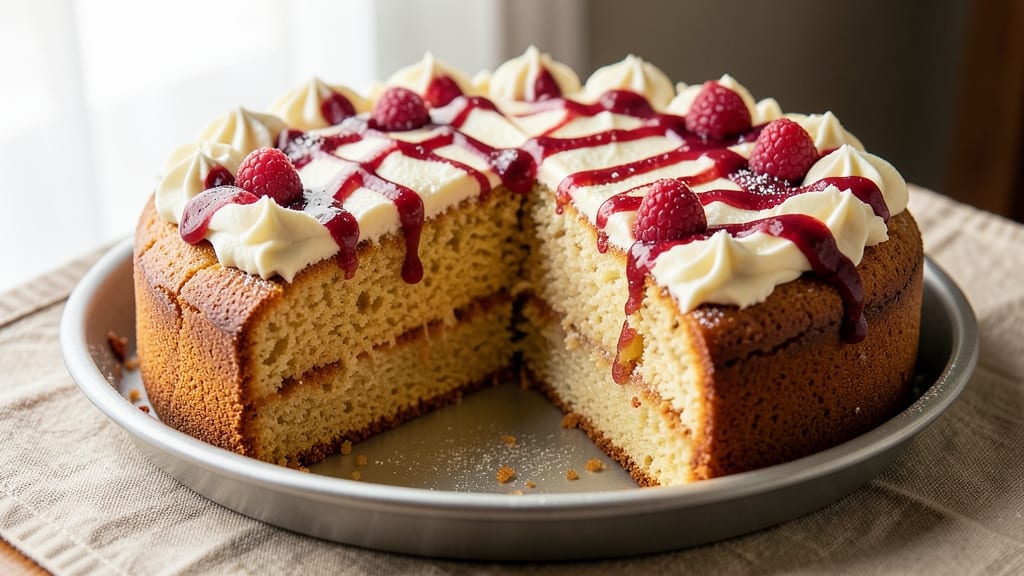
America’s Test Kitchen has perfected the art of pound cake with this buttery, moist recipe that delivers tender layers and rich flavor in every bite. The secret lies in precise butter-to-flour ratios and a gentle folding technique that creates an airy yet dense crumb—no dry, crumbly texture here.
This version stays fresh for days, making it ideal for special occasions or everyday indulgence.
What sets this recipe apart is the methodical approach: creaming butter and sugar until light and fluffy, then carefully folding in dry ingredients to maintain moisture. The result is a cake with a golden crust and a velvety interior that melts in your mouth.
Unlike traditional recipes, this version uses a lightly sweetened batter that enhances the natural richness of the butter.
Perfect for slicing into thick wedges and serving with tea or coffee, this pound cake also excels as a base for frosting or fruit toppings. The foolproof technique ensures consistent results every time, whether you're baking for a crowd or treating yourself to a single slice.
Let’s get started on creating your perfect pound cake.
For added flavor, consider incorporating vanilla bean, citrus zest, or chopped nuts into the batter—each variation maintains the cake’s signature moisture while introducing new dimensions of taste. The key is balancing these additions without compromising the cake’s signature texture. Here’s how to achieve that moist perfection every time.
Ingredients for america's test kitchen pound cake
Precision ingredients for America's Test Kitchen's signature moist, buttery pound cake layers.
| Ingredient | Amount | Notes |
|---|---|---|
| Unsalted Butter 🧈 | 1 ½ cups | Cold, cubed for even distribution |
| Granulated Sugar 🍚 | 2 cups | Superfine preferred for smooth texture |
| All-Purpose Flour 🌾 | 2 ½ cups | Sifted for light batter |
| Large Eggs 🥚 | 4 whole | Room temperature for even mixing |
| Pure Vanilla Extract 🌿 | 2 tsp | High-quality, Madagascar bourbon preferred |
| Baking Powder 🍞 | 1 tsp | Aluminum-free for neutral flavor |
| Diamond Crystal Kosher Salt 🧂 | ¾ tsp | Fine grain for even distribution |
| Whole Milk 🥛 | ¾ cup | Room temperature for smooth batter |
| Lemon Zest 🍋 | 1 tbsp | Freshly grated for bright flavor |
| Vegetable Oil 🫒 | ¼ cup | Light, neutral flavor |
| Pecans 🌰 | ½ cup | Chopped, toasted for enhanced flavor |
| Unsalted Butter 🧈 | ¼ cup | Melted for brushing cake layers |
The butter-to-flour ratio is critical here—high-quality European-style butter (like Plugrá or Land O'Lakes) creates the signature richness. King Arthur or Gold Medal flour yields the best texture, but any all-purpose will work. For the sugar, superfine is ideal—if you only have granulated, pulse it in a food processor for 30 seconds. Eggs should be large, room-temperature for even mixing, and vanilla extract matters: Madagascar bourbon has deeper flavor than imitation. The lemon zest adds brightness without overpowering; organic lemons from Trader Joe's or Whole Foods deliver the most vibrant flavor.
No superfine sugar? Granulated works fine—just pulse it briefly in a food processor. Substitute pecans with walnuts or almonds if needed, but toast them first for depth. For a dairy-free version, unsweetened almond milk and vegan butter work (reduce milk by 2 tbsp). The baking powder is non-negotiable—aluminum-free ensures neutral flavor. If you're short on time, pre-sift the flour to save mixing steps. The vegetable oil adds moisture; avocado oil is a great neutral alternative. For extra richness, consider adding 1 tbsp sour cream to the batter.
Store the cake in an airtight container at room temperature for up to 5 days—it actually improves overnight. For longer storage, wrap layers in plastic and refrigerate for 1 week or freeze for 3 months. To reheat, warm slices in a 200°F oven for 5-10 minutes to restore moisture. The brushed butter layers stay fresh for 2 days if stored separately. For serving, slice into 1-inch thick wedges—thicker slices reheat better. The cake's texture peaks when served at room temperature after 1 hour of baking.
Why You'll Love This Recipe
- No-Fail Mix-In: I swear by the creaming method—softened butter and sugar whipped until light, then eggs folded in one at a time. That’s the secret to the tender crumb, and honestly? It’s harder to mess up than you’d think.
- Vanilla Buttercream Ready: The moment this cake cools, you’re two steps away from the richest vanilla buttercream (just fold in softened butter, powdered sugar, and that same vanilla extract). No fancy piping skills needed—just spread and serve.
- Leftover Hero: This cake stays moist for days, so I always bake two loaves. Slice for breakfast toast, pack for lunches, or stash in the freezer for when I’m too tired to bake. (Yes, even on a Tuesday night.)
- Budget Baking: Five ingredients, no specialty tools—just a bowl and mixer. The butter-to-sugar ratio is forgiving, and flour and eggs are pantry staples. It’s my go-to when I need something impressive without breaking the bank.
Step-by-step instructions for america's Test Kitchen pound cake
Mastering this recipe delivers layers of buttery richness with a tender crumb—every detail matters.
Prepare the Cake Batter with Precision
Preheat your oven to 350°F and grease three 9-inch round cake pans with nonstick baking spray. Line the bottoms with parchment circles for even baking. In a stand mixer fitted with the paddle attachment, combine the 1.5 cups unsalted butter (cold, cubed) and 2 cups granulated sugar. Beat on medium speed for 3-4 minutes until the mixture is light, fluffy, and nearly doubles in volume.
This creaming process incorporates air, which creates that signature tender crumb. Scrape down the sides of the bowl with a rubber spatula to ensure even mixing. Add the 4 whole large eggs, one at a time, mixing well after each addition until fully incorporated. The batter should be thick and smooth—if it looks curdled, don't worry, it will come together in the next step.
Combine Dry Ingredients and Fold Gently
In a separate bowl, whisk together the 2.5 cups all-purpose flour, 1 tsp baking powder, and 0.75 tsp diamond crystal kosher salt. Sift the mixture directly into the wet ingredients to avoid lumps. With the mixer on low speed, gradually add the dry ingredients, mixing just until combined—you should still see small streaks of flour. This prevents overdevelopment of gluten, which keeps the cake tender.
Remove the bowl from the mixer and gently fold in the 0.75 cup whole milk, 2 tsp pure vanilla extract, 1 tbsp lemon zest, and 0.25 cup vegetable oil using a rubber spatula. The batter should be thick but pourable. Fold in the 0.5 cup chopped toasted pecans evenly throughout. Divide the batter evenly among the prepared pans, filling each about 2/3 full—this ensures even baking and prevents overflow.
Bake to Golden Perfection
Bake the cakes for 50-55 minutes, or until a toothpick inserted into the center comes out clean and the tops spring back when pressed gently. Rotate the pans halfway through baking for even browning. The cakes should be golden brown with a slightly domed top—this indicates they’ve baked through evenly.
Remove the cakes from the oven and let them cool in their pans for 10 minutes. Then, invert them onto a wire rack to cool completely. This step is crucial—cooling too quickly can cause the layers to crack. While the cakes cool, prepare the buttercream by combining the 0.25 cup unsalted butter (melted and cooled slightly) with 1 cup powdered sugar and 2-3 tablespoons milk until smooth. Spread the buttercream evenly between the layers once fully cooled.
Assemble and Chill for Maximum Moisture
Once the cakes are completely cool, use a serrated knife to level the tops if necessary. Place the first layer on a serving plate, then spread a thin layer of buttercream. Add the second layer, repeating the buttercream step, and top with the final layer. Brush any remaining buttercream over the top and sides of the cake for a polished finish. The key to maintaining moisture is chilling the cake uncovered in the refrigerator for at least 4 hours, or overnight. This allows the flavors to meld and the texture to set perfectly.
Slice with a warm, slightly oiled knife for clean cuts. Each slice should reveal a tender, moist crumb with pockets of buttery richness and bursts of toasted pecan. Serve at room temperature for the best texture and flavor balance.
Pro Tips For Making America'S Test Kitchen Pound Cake
- CREAM BUTTER SLOWLY: The ATK recipe calls for room-temperature butter, but don’t just pull it out 30 minutes before baking—let it sit in a 70°F (21°C) spot for 1.5 hours. I used to rush this, and my cakes turned out greasy or dense. The butter needs to be soft enough to mix smoothly but not melted—press a finger into it; it should leave a slight indent.
- WEIGH YOUR FLOUR: Scooping flour from the bag packs it down, which throws off the ratio. Use a kitchen scale and measure the flour by weight (the recipe likely calls for about 2 1/4 cups = 280g). I know, I know, it’s one extra step—but this is the thing that matters most for a tender crumb. If you’re in a pinch, spoon the flour into the cup and level it off, but don’t tap the bowl.
- DON’T OVERMIX THE BATTER: Once you fold in the flour, stop mixing as soon as it’s just combined—no streaks, but no extra stirring. Overmixing develops gluten, which makes the cake tough. I learned this the hard way after making a cake that turned out like a dense brick. The ATK recipe relies on gentle folding, so resist the urge to “get it all in there.”
- CHECK DONENESS WITH A THERMOMETER: The cake is done when the internal temperature hits 205°F (96°C)—not when it springs back when touched. I was skeptical until I tried it, and now I never guess. If you pull it out too soon, it’ll keep baking in the pan and turn gummy. Let it cool in the pan for 10 minutes, then transfer to a wire rack. (Yes, even if you’re impatient like me.)
Perfect pairings for these flavors
Tea Pairings
This rich, buttery pound cake pairs beautifully with Earl Grey tea—the bergamot notes cut through the sweetness while complementing the vanilla and pecan flavors. I recommend Twinings Earl Grey for its balanced citrus profile.
For a lighter option, green tea like Jasmine Pearl provides a delicate floral contrast that highlights the cake’s moist texture without overpowering it. 🍵
If you prefer black tea, English Breakfast is a classic match—its malty depth stands up to the cake’s richness. For a seasonal twist, try chai tea during colder months; the warm spices like cinnamon and cardamom enhance the pecan and vanilla flavors.
Always serve tea at 180°F for optimal aroma and flavor extraction.
Coffee Complements
A medium-roast coffee with caramel or nutty notes (like Starbucks Sumatra) elevates the cake’s buttery layers. The coffee’s natural sweetness mirrors the cake’s sugar content, creating a harmonious balance.
For a stronger pairing, try a flat white—the velvety microfoam softens the cake’s texture while the espresso’s intensity complements the pecan crunch. ☕
If you prefer cold brew, opt for a lightly sweetened version with a splash of vanilla syrup to mirror the cake’s vanilla extract. The smooth, low-acid profile prevents bitterness from overpowering the delicate cake flavors.
I like to chill the cake slightly before serving with coffee to enhance its creamy texture.
Wine Pairings
A sweet Moscato d’Asti is a perfect wine match—its honeyed notes and slight fizz cleanse the palate between bites of the rich cake. For a drier option, Riesling (off-dry) from Germany, like Dr. Loosen Blue Slate, balances the cake’s sweetness with its crisp acidity and mineral finish. 🍷
If you prefer red wine, a light Pinot Noir with bright fruit notes (such as Meiomi Pinot Noir) works surprisingly well. The wine’s earthy undertones complement the toasted pecans, while its low tannins prevent mouth-drying. Always serve wine at 55-60°F to preserve its delicate aromas.
Seasonal Variations
For summer gatherings, serve the cake with iced hibiscus tea—the tart, cranberry-like flavor refreshes the palate after each buttery bite. The tea’s natural sweetness also enhances the cake’s vanilla and lemon zest. Pair it with lemon sorbet for a bright, citrusy contrast that feels light yet indulgent. 🍋
In winter, swap the tea for spiced apple cider (warm or chilled) to add a cozy, aromatic element. The cinnamon and clove notes in the cider mirror the cake’s warm spices, creating a seasonal harmony.
For a festive touch, dust the cake with powdered sugar and garnish with candied cranberries before serving.
Nutrition facts
Frequently asked questions
Why does this pound cake recipe use three 9-inch pans instead of one large pan?
Baking in three 9-inch pans creates thinner layers with a superior texture—each slice has a perfect balance of buttery richness and moist crumb. Single-layer cakes often develop a dense center, while this method ensures even baking and a consistent golden crust. The layers also cool more quickly, preventing cracks.
Can I substitute vegetable oil for the butter in this recipe?
Not recommended—this recipe relies on butter's fat content for its signature richness. However, if you must substitute, use 1 cup melted butter plus 0.5 cup vegetable oil to maintain moisture. The texture will be slightly less tender, but still delicious. For best results, stick with the original butter-to-flour ratio.
How do I prevent my pound cake from turning out dry or crumbly?
Overmixing develops gluten, which makes cakes tough. Mix dry ingredients just until combined—you should still see small flour streaks. Use room-temperature eggs and don't overbake (check at 50 minutes). For extra moisture, brush the cooled cake layers with simple syrup (equal parts sugar and water, heated until dissolved).
What's the best way to store leftover pound cake?
Wrap individual layers tightly in plastic wrap, then place in an airtight container at room temperature for up to 5 days. For longer storage, freeze layers separately for up to 3 months. To reheat, warm slices in a 200°F oven for 5-10 minutes—this restores moisture without drying them out.
Can I make this cake in a bundt pan instead of round pans?
Yes, but expect different results! A bundt pan will create a single layer with decorative ridges. Reduce baking time by 10-15 minutes (check at 40 minutes