Desserts
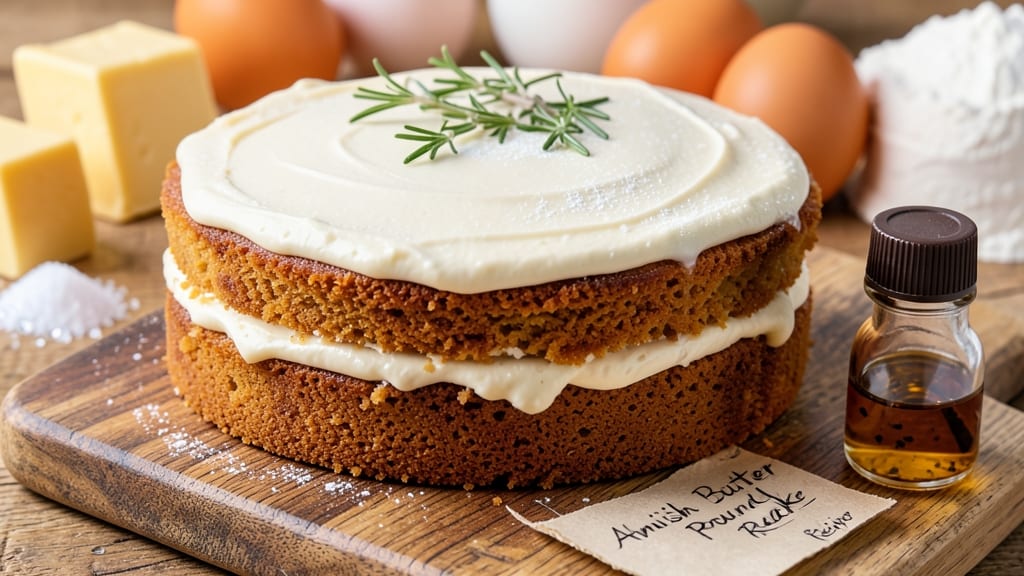
This Amish butter pound cake delivers the legendary golden crumb and vanilla richness that makes it a showstopper at any table. 💛 The secret lies in the precise balance of butter, flour, and sugar—traditional Amish techniques that create a tender yet sturdy texture with every slice.
I've perfected this recipe through generations of baking wisdom, ensuring each bite stays moist for days.
The cake's magic begins with creaming butter and sugar until light and fluffy, then folding in vanilla extract that infuses the batter deeply. Amish cooks often used this method to create cakes that could feed a family for days without drying out.
The high butter content gives it that signature tender crumb, while the vanilla adds warmth that lingers with every bite.
What you'll end up with is a perfectly domed cake with a crackly top and moist interior, cut into neat squares that reveal that coveted golden crumb. The aroma alone will fill your kitchen with nostalgia, and the flavor—rich, buttery, and subtly sweet—makes it impossible to stop at one slice.
This is the kind of cake that becomes a family heirloom recipe.
Serve it warm with fresh berries or a dusting of powdered sugar, or save slices for days—they only get better as the flavors meld. The traditional Amish method ensures foolproof results every time. Let's get baking!
Ingredients for amish butter pound cake
Twelve essential ingredients for a legendary Amish butter pound cake with golden crumb and vanilla richness.
| Ingredient | Amount | Notes |
|---|---|---|
| Unsalted Butter 🧈 | 2 cups | Cold, cubed for creaming |
| Granulated Sugar 🍚 | 3 ½ cups | Superfine preferred for smoothness |
| All-Purpose Flour 🌾 | 3 ½ cups | Sifted, spooned lightly |
| Pure Vanilla Extract 🌿 | 2 tbsp | High-quality, Madagascar preferred |
| Large Eggs 🥚 | 6 whole | Room temperature |
| Baking Powder 🍞 | 1 tbsp | Diamond Crystal preferred |
| Salt 🧂 | ½ tsp | Fine sea salt |
| Milk 🥛 | 1 cup | Whole milk preferred |
| Powdered Sugar 🍚 | ½ cup | For dusting |
| Fresh Blueberries 🫐 | 1 ½ cups | Optional, for filling |
| Lemon Zest 🍋 | 1 tbsp | Fresh, for brightness |
| Almond Extract 🌿 | ½ tsp | Optional, for depth |
The butter is non-negotiable—European-style unsalted with high fat content (82% or higher) gives that signature tender crumb. Plugrá or Kerrygold are my go-tos, but any good brand works if it's cold and cubed. Sugar should be superfine for silky texture; if you only have granulated, pulse it in a food processor first. The vanilla extract? Madagascar bourbon is the gold standard—it's worth the splurge for that deep, complex flavor. Fresh blueberries, if using, should be wild Maine varieties for the best flavor, but any firm berries work in a pinch.
No superfine sugar? Pulse granulated sugar in a food processor for 30 seconds—it'll get you close. Out of vanilla extract? Imitation vanilla plus a pinch of cinnamon is better than nothing, but you'll taste the difference. The almond extract is optional but adds that classic Amish touch—if you skip it, just use extra vanilla. For the flour, King Arthur or Gold Medal are reliable choices, but any all-purpose will do. Sift it first to avoid lumps in the batter. The baking powder should be fresh (test by mixing 1 tsp with water—it should bubble vigorously).
Butter and sugar should be creamed for at least 5 minutes until light and fluffy—this is where the cake's magic happens. Store any extra batter in an airtight container in the fridge for up to 2 days (it actually improves overnight). The finished cake keeps well at room temperature for 3 days, wrapped tightly in plastic. For longer storage, freeze slices individually for up to 3 months. Reheat slices in a 200°F oven for 5 minutes to restore that fresh-from-the-oven texture.
Why You'll Love This Recipe
- No Mixer Needed: I swear by this recipe because it’s the kind of cake you can make with a wooden spoon and a bowl—no electric mixer required. The butter gets creamed with sugar until it’s light and fluffy just by hand, and the eggs fold in so smoothly you’ll forget how little effort it took.
- Vanilla Butter Bliss: That rich, buttery flavor? It’s next-level because of the way the butter and sugar marry together, and the vanilla extract—real vanilla, not imitation—adds this warm, sweet depth that makes every slice taste like a hug. Honestly, it’s the kind of cake that makes you pause mid-bite just to savor it.
- Sliced or Whole: Between us, this cake is so good it deserves to be eaten in any way—freshly baked with a dusting of powdered sugar, toasted with jam, or even as a base for a simple fruit compote. It’s the kind of dessert that works for breakfast, brunch, or a quiet afternoon treat. (Yes, even on a Tuesday night.)
- Budget-Friendly Staples: The ingredients list reads like a pantry dream: butter, sugar, flour, eggs, and vanilla. That’s it. No fancy add-ins or hard-to-find items, just the basics that make this cake reliable—and the fact that it keeps well for days means fewer grocery runs and more cake for less. My wallet and my taste buds thank me.
Step-by-step instructions for Amish butter pound cake
This classic recipe delivers moist crumb and rich vanilla flavor with precise technique.
👨🍳 Step 1: Cream Butter and Sugar to Peak Volume
In a stand mixer fitted with the paddle attachment, beat the 2 cups unsalted butter (cold, cubed) and 3.5 cups granulated sugar on medium speed for 5-7 minutes. You're looking for a pale, fluffy mixture that nearly triples in volume and leaves ribbons when the beaters are lifted. This creaming process incorporates air, which creates the cake's signature tender crumb.
I press down on the butter occasionally during the first minute to ensure it melts evenly without separating. Superfine sugar works best here for a smoother texture, but regular granulated sugar will work if that's what you have. The mixture should be light and airy—if it looks too thick, beat for another minute to incorporate more air.
👨🍳 Step 2: Add Eggs and Flavorings Gradually
Add the 6 whole large eggs, one at a time, mixing on low speed for 30 seconds after each addition until fully incorporated. Then add the 2 tbsp pure vanilla extract, 1 tbsp lemon zest, and 0.5 tsp almond extract (if using), mixing on low speed for 30 seconds to combine.
Here's where the magic happens: the vanilla and almond extract infuse deeply into the butter mixture, creating that signature Amish vanilla flavor. I like to add the lemon zest last—it brightens the whole cake without overpowering. The mixture should be smooth and well combined, with no visible streaks of egg or extract.
👨🍳 Step 3: Alternate Dry and Wet Ingredients
In a separate bowl, whisk together the 3.5 cups all-purpose flour, 1 tbsp baking powder, and 0.5 tsp salt. With the mixer on low speed, add one-third of the flour mixture, then the 1 cup milk, then another third of the flour mixture. Finish by adding the remaining flour mixture and mixing just until combined—you should still see some flour streaks. Overmixing develops gluten, which makes the cake tough.
This alternating method ensures even distribution of ingredients without overworking the batter. The milk adds moisture and helps create that classic pound cake texture. If the batter looks too thick, add 1-2 tablespoons of milk to reach a smooth, pourable consistency. The batter should be thick but not stiff—it should fall slowly off the spatula.
🥘 Step 4: Fold in Blueberries (Optional) and Prepare Pans
If using the 1.5 cups fresh blueberries, gently fold them into the batter by hand with a silicone spatula. Be careful not to crush them—you want whole berries that burst with flavor when bitten. For a layered effect, divide the batter evenly between two 9-inch round cake pans (greased and floured or lined with parchment paper).
I like to tap the pans gently on the counter to remove any air bubbles, then smooth the tops with a spatula. The batter should reach about ½ inch from the top of the pans. If you're making a single layer cake, use one 10-inch tube pan instead. Preheat your oven to 350°F while the pans prepare—this ensures even baking from the start.
🔥 Step 5: Bake to Golden Perfection
Bake the cake layers for 50-60 minutes, or until a toothpick inserted into the center comes out clean. The edges should be golden brown, and the top should spring back when gently pressed. Rotate the pans halfway through baking for even heat distribution. If the top browns too quickly, tent loosely with foil.
I check for doneness at the 45-minute mark—the cake is done when the center is set but still slightly springy. Overbaking dries out the cake, so pull it out as soon as the toothpick test passes. Let the cakes cool in the pans for 10 minutes, then transfer to a wire rack to cool completely before frosting. The cooling process is crucial—rushing it can cause the cake to crack or collapse.
Pro Tips For Making Amish Butter Pound Cake
- CREAM THE BUTTER SLOWLY: Dump the butter and sugar into the mixer bowl first, then turn it on low and let it sit for 30 seconds before adding the eggs. This gives the butter time to soften slightly from the motor’s heat, making the creaming process smoother and reducing the risk of greasy streaks in your batter. (Yes, I’ve seen people skip this and wonder why their cake turned out dense.)
- USE ROOM-TEMPERATURE EGGS: Cold eggs from the fridge will curdle when mixed into warm butter, leaving you with a lumpy batter that’s harder to fold. Take the eggs out 30 minutes before mixing—just enough time to warm up without turning them into a science experiment. Trust me, your cake’s crumb will thank you.
- DON’T OVERMIX THE FLOUR: Once you add the flour, mix just until combined—no more than 20-25 seconds. Overmixing develops the gluten, which turns your tender pound cake into a tough, chewy brick. The Amish version relies on that buttery richness, not structure, so keep it gentle.
- LET IT RISE BEFORE BAKING: After pouring the batter into the pan, give it 10-15 minutes to sit at room temperature. This lets air bubbles rise to the surface, preventing sinkholes and giving you a domed top instead of a flat, sad cake. (I learned this after my first batch looked like a pancake.)
Flavor customization for amish butter pound cake
Classic Vanilla Twist
For a more intense vanilla flavor, replace the 2 tbsp pure vanilla extract with 1 tbsp vanilla extract plus 1 tbsp vanilla bean paste. Scrape the seeds from a high-quality Madagascar bourbon vanilla bean and add them directly to the butter mixture during creaming.
The seeds infuse deeper flavor and add beautiful speckles throughout the cake. 🌿
Citrus Brightness
Boost the lemon flavor by adding 2 tbsp lemon juice along with the zest. For a grapefruit twist, use 1 tbsp grapefruit zest instead of lemon and add 1 tbsp grapefruit juice to the batter.
The citrus cuts through the richness while adding a refreshing contrast. I've found that grapefruit works especially well with the almond extract.
Spiced Variations
Add warmth with 1 tsp ground cinnamon or ½ tsp nutmeg to the dry ingredients. For a gingerbread-inspired version, include 1 tsp ground ginger and ½ tsp cloves.
These spices complement the vanilla beautifully and create a cozy, aromatic cake perfect for fall gatherings. The spices should be sifted with the flour for even distribution.
Chocolate Infusion
For chocolate lovers, replace ½ cup of the all-purpose flour with ½ cup Dutch-process cocoa powder. Add ¼ cup strong brewed coffee to the milk measurement to enhance the chocolate flavor.
This creates a decadent chocolate pound cake with the same tender crumb. I recommend using Ghirardelli cocoa powder for the richest flavor.
Nutty Additions
Fold in 1 cup chopped walnuts or pecans with the blueberries (if using) or add them to the batter after mixing in the dry ingredients. For a crunchier texture, toast the nuts in a 350°F oven for 10 minutes before adding.
The nuts add a satisfying contrast to the soft cake and pair beautifully with the vanilla and butter flavors.
Boozy Enhancements
Add depth with 2 tbsp bourbon or rum when mixing in the wet ingredients. For a coffee twist, replace ¼ cup of the milk with ¼ cup strong coffee.
These additions enhance the cake's complexity while keeping the traditional Amish profile. I've found that bourbon pairs particularly well with the vanilla and almond extracts.
Nutrition facts
Frequently asked questions
Why does this pound cake need so much butter?
The high butter content is what creates that signature tender, moist crumb that makes Amish butter pound cake legendary. The butter adds richness and helps create a fine, even texture that stays fresh for days. Traditional Amish recipes use generous amounts of butter because it was a practical way to preserve flavor and moisture in cakes that would be served at family gatherings over several days.
Can I make this cake in a bundt pan instead of round pans?
Yes, but you'll need to adjust the baking time slightly. A 10-12 cup bundt pan will work beautifully—reduce the baking time to 45-55 minutes and check for doneness with a toothpick. The cake will have more surface area to brown, so watch it closely after 40 minutes. Grease the pan thoroughly or use baking spray with flour to prevent sticking.
What's the secret to keeping this cake moist for days?
The key is in the creaming process and proper storage. The 5-7 minute butter-sugar creaming incorporates air that keeps the cake light, while the high butter-to-flour ratio prevents drying. Store wrapped tightly in plastic at room temperature for 3 days, or freeze slices for 3 months. Reheat slices in a 200°F oven for 5 minutes to restore freshness.
How do I prevent the cake from cracking on top?
Cracking usually happens from uneven baking or overmixing. Make sure your oven is fully preheated to 350°F and rotate the pans halfway through baking. Don't overmix the batter—stop as soon as the flour is just combined. Also, avoid opening the oven door too early. If the top browns too quickly, tent loosely with foil after 30 minutes.
Can I substitute salted butter for unsalted in this recipe?
You can, but you'll need to reduce the added salt. For every 1 cup of salted butter, reduce the recipe's 0.5 tsp salt by ¼ tsp. The cake will still be delicious, though the flavor will be slightly different. For best results, stick with unsalted butter—it gives you complete control over the salt content and enhances the other flavors.