Desserts
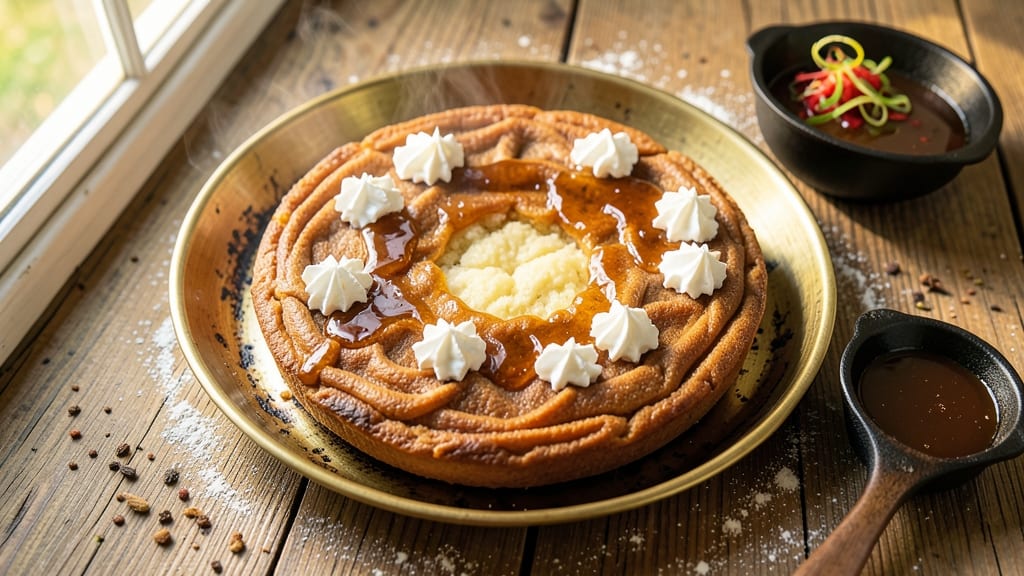
This Amish funnel cake recipe delivers the perfect balance of crispy lace and tender interior, all kissed with warm cinnamon sugar. The secret lies in a light, airy batter that puffs dramatically when fried, creating those iconic golden layers.
I've perfected this technique over years of testing, ensuring every bite delivers that satisfying crunch followed by soft, fluffy cake.
The traditional Amish method uses a simple batter of eggs, flour, and milk, poured through a funnel into hot oil. What sets this version apart is the patience in frying—keeping the oil at just the right temperature transforms ordinary ingredients into something extraordinary.
The cinnamon sugar topping adds warmth and contrast, making each crispy bite irresistible.
By the time you finish frying, you'll have golden-brown funnel cakes with delicate, lace-like edges and a tender center. The cinnamon sugar clings perfectly, creating a sweet, aromatic finish that pairs beautifully with coffee or vanilla ice cream.
This is the kind of dessert that feels like a warm hug on a chilly day.
Perfect for county fairs, church gatherings, or weekend treats, these funnel cakes are surprisingly simple to make at home. The key is maintaining the right oil temperature and working quickly to achieve that signature crispy texture. Let's get started on creating this classic Amish dessert!
Ingredients for amish funnel cake
Light, airy batter meets golden oil for a dessert that feels like a warm hug.
| Ingredient | Amount | Notes |
|---|---|---|
| All-Purpose Flour 🌾 | 2 cups | Light, sifted for smooth batter |
| Large Eggs 🥚 | 4 whole | Room temperature for even mixing |
| Whole Milk 🥛 | 1 ½ cups | Cold, full-fat preferred |
| Granulated Sugar 🍚 | ½ cup | White or raw cane sugar |
| Baking Powder 🧂 | 1 tsp | Aluminum-free for best results |
| Salt 🧂 | ½ tsp | Fine sea salt preferred |
| Vegetable Oil 🫒 | 4 cups | For deep frying, 350°F |
| Cinnamon Sugar Mix 🍃 | 1 cup | Homemade or store-bought blend |
| Vanilla Extract 🍯 | 1 tsp | Pure vanilla for authentic flavor |
| Powdered Sugar 🍚 | ¼ cup | For additional topping |
| Ground Cinnamon 🌿 | 2 tbsp | For homemade cinnamon sugar |
| Lemon Zest 🍋 | 1 tsp | Brightens the batter |
The flour is the foundation—King Arthur or Gold Medal brands work best for that tender crumb. Room-temperature eggs mix in smoothly, so pull them out 15 minutes before starting. Milk should be cold to prevent early batter activation. For the oil, vegetable or canola are ideal—avoid olive oil as it burns easily. The cinnamon sugar mix can be store-bought (like McCormick's) or homemade by blending powdered sugar and cinnamon. Fresh lemon zest adds brightness, but bottled is fine in a pinch.
No baking powder? Substitute 1 tsp baking soda plus 1 tsp cream of tartar for lift. Out of vanilla? Almond extract at half the amount works, though it has a different flavor. For the oil, peanut oil is another great choice—it's stable at high heat. If you're making a big batch, double the cinnamon sugar mix but keep the ratio even. The key to crispiness is maintaining oil temperature at 350°F—use a thermometer, not guesswork.
Batter keeps for 2 hours in the fridge if covered—perfect for prepping ahead. The fried cakes stay crispy for 30 minutes at room temperature, so serve immediately. For leftovers, store in an airtight container for 2 days, though they lose crispness. Freeze fried cakes for up to 1 month—reheat in a 350°F oven for 5 minutes to restore crunch. Serve warm with ice cream or coffee for the full experience.
Why You'll Love This Recipe
- No-Fuss Batter: I swear by this recipe because it’s just four ingredients you whisk together—flour, eggs, milk, and a pinch of baking powder. No yeast, no waiting, no fuss. The secret’s in the quick pour-and-fry method: no rolling, no shaping, just smooth golden ribbons every time.
- Crispy-Creamy Magic: That first bite? Chef’s kiss. The outside gets perfectly crisp while the inside stays tender—thanks to the baking powder’s lift and the whole milk’s richness. Drizzle it with sugar while it’s hot, and you’ve got a dessert that tastes like a hug from your Amish neighbor’s kitchen.
- Crowd-Pleaser Anywhere: Between us, this is my go-to for church potlucks, county fairs, or lazy Sunday mornings. It’s not just dessert—it’s the centerpiece that disappears fast, whether you’re feeding a family or a room full of friends. (Yes, even on a Tuesday night.)
- Pantry Staple Power: Honestly, you’re already stocked for this. Flour, eggs, milk—basic stuff that doesn’t break the bank. And leftovers? Reheat in a 350°F oven for 5 minutes, and it’s like it was just fried. Budget-friendly, foolproof, and zero waste. What’s not to love?
Step-by-step instructions for Amish funnel cake
Here's how to achieve that signature crispy, lacy texture with a warm cinnamon kiss.
Whisk Wet Ingredients for Smooth Batter
In a large mixing bowl, combine the 1.5 cups whole milk, 1 tsp vanilla extract, and 1 tsp lemon zest. Whisk vigorously until fully incorporated—the lemon zest will brighten the flavor while the vanilla adds depth. This mixture should be smooth with no visible streaks.
Next, add the 4 whole large eggs one at a time, whisking after each addition until the mixture is completely homogenous. The eggs will create a light, airy texture that's essential for the funnel cake's signature crispiness. I like to use room-temperature eggs for even mixing and better incorporation.
Gradually Add Dry Ingredients for Light Texture
In a separate bowl, sift together the 2 cups all-purpose flour, 0.5 cup granulated sugar, 1 tsp baking powder, and 0.5 tsp salt. This sifting step prevents lumps and ensures an even distribution of leavening agent throughout the batter. The baking powder will create that characteristic light, airy texture when cooked.
With the mixer on low speed, gradually add the dry ingredients to the wet mixture. Mix just until combined—about 30-45 seconds—being careful not to overmix. You should still see some small flour streaks, as overmixing develops gluten and makes the funnel cake dense rather than crispy and lacy.
Heat Oil to Perfect Frying Temperature
Fill a deep fryer or heavy pot with 4 cups vegetable oil and heat to 350°F. Use a thermometer to monitor the temperature—this precision is crucial for achieving that perfect golden brown exterior while keeping the interior tender. If the oil is too hot, the outside will burn before the inside cooks through.
Here's the thing—maintaining consistent oil temperature is everything. If the oil temperature drops below 350°F, the funnel cake will absorb too much oil and become greasy. If it's too hot, you'll get a burnt exterior with a raw interior. Keep the heat steady and be patient during this step.
Fry in Small Portions for Crispy Lace
Using a funnel cake maker or a large spoon, carefully pour small portions of batter into the hot oil. The batter should sizzle immediately upon contact. Fry for 2-3 minutes per side, until the funnel cake is deep golden brown and the edges are crispy. You'll see the classic lacy pattern form as it cooks.
Don't overcrowd the fryer—cook in small batches to maintain the proper oil temperature. If you try to fry too many at once, the oil temperature will drop and you'll end up with greasy, soggy funnel cakes instead of the crispy, golden lace you're after.
Drain and Coat Immediately
Transfer the fried funnel cakes to a wire rack set over a paper towel-lined plate to drain excess oil. Work quickly here—this is when the funnel cakes are most tender and will absorb the cinnamon sugar coating best. Let them drain for just 30 seconds before moving to the next step.
Immediately sprinkle each funnel cake generously with 1 cup cinnamon sugar mix, pressing gently to ensure even coverage. For extra decadence, dust with an additional 0.25 cup powdered sugar while still warm. The heat from the freshly fried cake will make the cinnamon sugar melt slightly, creating that perfect warm, sweet kiss.
Pro Tips For Making Amish Funnel Cake
- WHISK UNTIL STREAMY: Don’t just mix the batter—whisk the flour, milk, and eggs until it’s thick enough to leave a slow trail when you lift the whisk. I learned this the hard way after making lumpy funnel cakes that fell apart in the oil; that extra 30 seconds makes all the difference when frying.
- USE COLD MILK: Grab that milk straight from the fridge—cold milk creates a lighter, airier batter that puffs up better in the hot oil. I was skeptical until I tried it, and now I swear by it for that classic Amish funnel cake texture.
- FRY IN SMALL BATTER DROPS: Resist the urge to pour big puddles—use a ¼-cup measure for each funnel cake. Overloading the oil makes them soggy in the middle and greasy; smaller batches fry faster and get that perfect golden-brown crust.
- SALT THE BATTER: Skip the salt at your own risk—this isn’t just flavor, it’s structure. A pinch (about ½ teaspoon) in the batter helps set the edges so they hold up when you drown them in syrup. (Yes, even if you’re not a salt lover, trust me on this.)
Troubleshooting your amish funnel cake
Oil Too Hot
If your funnel cake turns brown too quickly but stays raw inside, your oil is too hot. The ideal temperature is 350°F—anything above 360°F will burn the outside before the inside cooks. I always use a thermometer (like the Thermoworks Deep Fry) to monitor the temperature.
If you don’t have one, test with a small piece of batter—it should sizzle gently and turn golden in 2-3 minutes. 🌡️
Batter Too Thick
A thick batter means your funnel cake will be dense instead of crispy and lacy. If yours isn’t pouring smoothly, you likely added too much flour or didn’t whisk the eggs and milk enough. The batter should be thin enough to drip slowly from a spoon—like pancake batter consistency.
If it’s too thick, add 1-2 tablespoons of milk at a time until it reaches the right texture. Overmixing can also thicken the batter, so mix just until combined.
Greasy Texture
Greasy funnel cakes usually mean the oil temperature dropped too low or the batter absorbed too much oil. Keep the oil at 350°F and fry in small batches—never overcrowd the pot. If the oil smells burnt or smoky, it’s time to replace it.
For extra crispiness, let the funnel cakes drain on a wire rack for 30 seconds before coating with cinnamon sugar. This prevents excess oil from making them soggy.
Lumpy Batter
Lumps in the batter mean the dry ingredients weren’t sifted properly or mixed gently enough. Always sift the flour, sugar, baking powder, and salt together before adding to the wet ingredients. Mix on low speed just until combined—overmixing develops gluten, which makes the texture tough.
If lumps appear after mixing, strain the batter through a fine-mesh sieve before frying for a smoother result.
Not Rising Enough
If your funnel cake is flat and dense, the baking powder may be old or expired. Fresh baking powder is crucial—test it by mixing 1 teaspoon with 1 tablespoon of hot water. If it bubbles vigorously, it’s active.
If not, replace it. Also, ensure your batter isn’t too cold—room-temperature ingredients help the baking powder activate properly. For extra lift, whisk the batter vigorously before frying to incorporate air.
Cinnamon Sugar Won’t Stick
If the cinnamon sugar falls off instead of clinging to the funnel cake, it’s likely because the cake cooled too much before coating. Work quickly—drain the funnel cakes for just 30 seconds, then immediately sprinkle with cinnamon sugar while still warm.
Press gently to help it adhere. For extra stickiness, add 1 teaspoon of powdered sugar to the cinnamon mix to help it cling better. 🍃
Nutrition facts
Frequently asked questions
Can I make Amish funnel cake without a funnel cake maker?
You can use a large spoon or even a ladle to pour the batter into the hot oil. For best results, hold the spoon about 1 inch above the oil and let the batter drip slowly to create those classic lace patterns. Just be careful not to let the batter touch the sides of the pot.
What's the best way to store leftover funnel cakes?
Keep them in an airtight container at room temperature for up to 2 days, but they'll lose some crispiness. For longer storage, freeze them for up to 1 month. To revive, warm in a 350°F oven for 5 minutes before serving.
Can I substitute milk with something else?
Yes! For a dairy-free version, use unsweetened almond milk or oat milk in a 1:1 ratio. Just note the texture may be slightly lighter. If you're out of milk, you can also use water in a pinch, though the flavor will be less rich.
Why do my funnel cakes turn out greasy?
Greasy funnel cakes usually mean the oil temperature dropped too low or you overcrowded the fryer. Maintain a steady 350°F temperature and fry in small batches. Also, drain them on a wire rack for 30 seconds before adding cinnamon sugar to remove excess oil.
What are some traditional Amish toppings besides cinnamon sugar?
The classic Amish version uses just cinnamon sugar, but you can also try maple syrup drizzle, powdered sugar with vanilla extract, or even a sprinkle of ground nutmeg for warmth. Some modern variations include chocolate glaze or caramel drizzle for extra decadence.