
Desserts
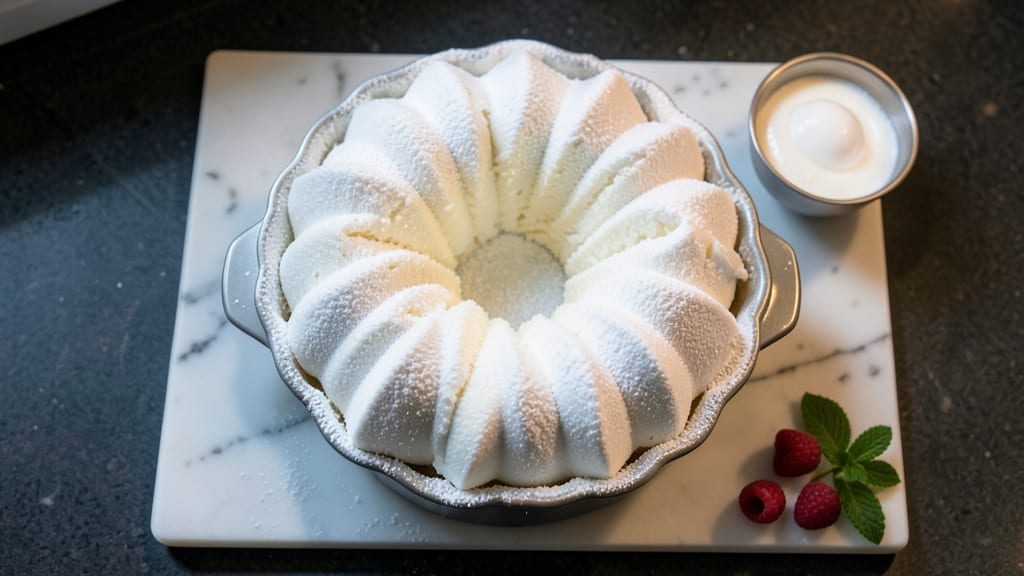
This angel food cake Bundt pan recipe delivers the perfect balance of light-as-air texture and vibrant citrus flavor that elevates any dessert table. The secret lies in properly folded egg whites and a precise baking technique that creates those signature air pockets—no heavy ingredients here, just pure elegance.
What makes this version special is the bright citrus zest that infuses every bite without overpowering the delicate cake structure.
Angel food cake thrives in a Bundt pan because the intricate design allows for even baking and beautiful presentation. With just nine simple ingredients—flour, sugar, egg whites, and a touch of cream of tartar—you'll achieve a cake that's so light it practically floats.
The citrus zest adds a refreshing twist that pairs beautifully with fresh berries or whipped cream topping.
By the time it emerges from the oven, you'll have a golden, fluffy Bundt cake with crisp edges and a tender crumb that melts in your mouth. The citrus notes brighten the natural sweetness, creating a dessert that feels both elegant and approachable.
Serve it warm with fresh berries or dusted with powdered sugar for an impressive yet simple dessert.
This recipe includes professional tips for achieving perfect rise and texture, plus creative serving suggestions that make it perfect for special occasions or everyday treats. Let's get started on creating your lightest, most flavorful angel food cake yet.
Ingredients for angel food cake bundt pan
Nine simple ingredients transform into a golden, citrus-kissed Bundt cake that's light enough to float.
| Ingredient | Amount | Notes |
|---|---|---|
| Cake Flour 🌾 | 2 cups | Sifted for light texture |
| Granulated Sugar 🍚 | 1 ½ cups | Superfine preferred for smoothness |
| Large Egg Whites 🥚 | 12 whole | Room temperature, separated |
| Cream of Tartar 🧂 | 1 ½ tsp | Essential for stability |
| Salt 🧂 | ½ tsp | Fine sea salt preferred |
| Unsalted Butter 🧈 | ½ oz | Melted for greasing pan |
| Fresh Lemon Zest 🍋 | 1 tbsp | Bright citrus flavor |
| Fresh Orange Zest 🍊 | 1 tbsp | Balanced citrus notes |
| Vanilla Extract 🌸 | 1 tsp | Pure vanilla for aroma |
The egg whites are the star here—room temperature is non-negotiable for proper volume. Bob's Red Mill cake flour is my go-to for that signature tender crumb, but any sifted cake flour works. For zest, use organic citrus whenever possible—the flavor is noticeably brighter. The cream of tartar stabilizes the egg whites, so don't skip it. Pro tip: sift your dry ingredients together first to avoid lumps later.
No superfine sugar? Pulse regular granulated sugar in a food processor for 30 seconds to break it down. Fresh zest can't be beat, but bottled citrus zest works in a pinch—just use double the amount. Out of vanilla? Vanilla bean paste gives you those little specks too. For the butter, melt it gently over a double boiler to avoid burning. The zest can be prepped ahead—store it in the fridge for up to 1 week in an airtight container.
This cake is best served the day it's made—24 hours lets the flavors meld perfectly. Store leftovers wrapped tightly at room temperature for 2 days or refrigerate for 5 days. For extra fluffiness, invert the cake immediately after baking and let it cool upside down on the pan. The citrus zest adds a beautiful pop of color that makes this perfect for holiday tables or brunch gatherings.
Why You'll Love This Recipe
- No Mixer Needed: I swear by this trick—whisking egg whites with cream of tartar until stiff peaks form is almost meditative. No stand mixer? No problem. A sturdy hand mixer or even a whisk (with your arm muscles) gets the job done, and the result is that signature light, airy texture.
- Sugar Rush Magic: That first bite of crispy edges with a cloud-like center? Pure sugar-and-egg-white alchemy. The granulated sugar caramelizes just enough to give it a subtle crunch, while the cake flour keeps it tender. Honestly, it’s the kind of cake that makes you pause mid-slice to appreciate how good it is.
- Occasion-Proof Flex: Breakfast? Dessert? Brunch? This cake does it all. Dust it with powdered sugar for a morning treat, drizzle with berry compote for a fancy brunch, or serve it plain with whipped cream for a no-fuss dessert. I’ve even used it as a base for trifles—because why not?
- Leftovers That Last: Unlike most cakes, angel food stays fresh (and delicious) for days if stored properly. Wrap it tightly in plastic or pop it in the fridge, and it’s perfect for quick snacks or last-minute gifts. Between us, I’ve had it for four days straight, and it’s still better than store-bought.
Step-by-step instructions for angel food cake Bundt pan recipe
Here's how to create a fluffy, citrus-kissed angel food cake that's lighter than air and packed with bright flavor.
Whip Egg Whites to Stiff Peaks
First, separate the 12 whole large egg whites from yolks, making sure no yolk traces remain. In a spotless, grease-free mixing bowl, beat the egg whites on low speed until foamy. Gradually add the 1.5 cups granulated sugar while increasing speed to medium-high—this sugar helps stabilize the whites.
Continue beating for 5-7 minutes until the meringue forms stiff, glossy peaks that hold their shape when the beaters are lifted. The mixture should look thick and pale, almost like shaving cream. Here's the thing—don't rush this step. Properly whipped egg whites are the foundation of that signature angel food texture. If the meringue starts to deflate, beat it again until it regains volume.
Fold in Dry Ingredients Gently
In a separate bowl, whisk together the 2 cups sifted cake flour, 1.5 teaspoons cream of tartar, 0.5 teaspoon salt, 1 tablespoon fresh lemon zest, 1 tablespoon fresh orange zest, and 1 teaspoon vanilla extract. The zest adds that bright citrus twist while keeping the cake light.
Now for the delicate part: using a spatula, gently fold about one-third of the flour mixture into the meringue until just combined. Then fold in another third, being careful not to deflate the meringue. Finish by folding in the remaining flour until no dry streaks remain. The batter should look thick and slightly lumpy—this is perfect. Overmixing will make the cake dense instead of airy.
Prepare and Fill the Bundt Pan
Preheat your oven to 350°F. Generously grease a 10-12 cup Bundt pan with the 0.5 ounces melted unsalted butter, using a pastry brush to coat every crevice. Dust with flour if needed, tapping out any excess. The butter creates a nonstick barrier while the flour prevents sticking.
Fill the prepared pan with the batter, using an offset spatula to spread it evenly. Tap the pan gently on the counter a few times to release any air bubbles. The batter will look thick and may seem like too much, but trust me—it settles as it bakes. Place the pan on a baking sheet to catch any potential drips.
Bake to Golden Perfection
Bake for 50-60 minutes until the top is golden brown and a toothpick inserted in the center comes out clean. The cake should spring back when gently pressed in the center—no jiggling means it's done. I know it seems like a long time, but patience here ensures that light-as-air texture.
During the last 10 minutes of baking, watch closely for browning. If the top starts to darken too quickly, tent the pan loosely with aluminum foil. Once baked, let the cake cool in the pan for 10 minutes before carefully inverting it onto a wire rack to cool completely. This gradual cooling prevents the cake from collapsing or sticking to the pan.
Pro Tips For Making Angel Food Cake Bundt Pan
- Whip Egg Whites Cold: Start with your bowl and beaters chilled in the freezer for 10 minutes—room temperature whites won’t stiffen properly, and you’ll end up with a dense, sad cake. I learned this the hard way when my bundt cake turned out more like a sponge than the light, airy cloud I wanted.
- Sift Flour Twice: Don’t just sift the cake flour once—do it twice, and press it through the mesh with a spatula to break up any stubborn lumps. Angel food cake relies on that fine texture to stay tender, and lumps mean a gummy center. (Yes, it’s tedious, but trust me.)
- Preheat Pan with Water: Fill your bundt pan with hot water for 5 minutes before baking—this keeps the cake from sticking and helps it rise faster. Drain it right before adding batter, or you’ll end up with a soggy bottom. (Pro move: Use the same water to grease the pan afterward.)
- Check Doneness with a Toothpick: The cake’s done when the center springs back immediately when pressed—not after a second or two. Overbaking dries it out, and underbaking leaves it gummy. Invert the pan right when it passes this test, or you’ll risk collapse. (And no, the recipe’s "1 hour" isn’t gospel.)
Common mistakes when making this dish
Overmixing the Batter
Angel food cake relies entirely on air pockets created by whipped egg whites, so overmixing the flour mixture can collapse those delicate bubbles. I've ruined more cakes than I'd admit by being too aggressive with the spatula.
Instead, use a gentle folding motion—think of cutting through the meringue and lifting it up rather than stirring. The batter should look thick with small streaks of flour remaining; if it looks smooth, you've gone too far. 💫
Skipping the Room-Temp Egg Whites
Cold egg whites won't whip to stiff peaks, and that's a dealbreaker for this cake. I learned this the hard way when my first attempt yielded a sad, flat cake. Let your 12 large egg whites sit at room temperature for at least 30 minutes before whipping.
Pro tip: Place them in a bowl of warm water for 10 minutes if you're short on time. The goal is 68°F—use a thermometer if you're unsure.
Under-Greasing the Bundt Pan
Even with cake flour's natural nonstick properties, angel food cake has a reputation for sticking when the pan isn't properly prepared. I've seen cakes tear dramatically when inverted because of this.
Use ½ oz melted butter (about 1 tablespoon) to coat every crevice thoroughly, then dust with flour and tap out excess. For extra insurance, I sometimes use a Bundt pan grease spray like Baker's Joy—it's worth the investment for special occasions.
Opening the Oven Too Soon
Resist the urge to peek! The sudden temperature drop can cause the cake to collapse before it's fully set. I've caught myself opening the oven door at the 40-minute mark just to check, only to find the top starting to deflate.
If you must check, do it through the oven window. The cake should spring back when pressed gently—no jiggling means it's ready. 🌡️
Using Old or Rancid Butter
The small amount of butter used to grease the pan might seem insignificant, but rancid butter can impart off flavors to your delicate cake. I keep my butter in the freezer and only take out what I need for the day.
For greasing, use unsalted butter—the salt can interfere with the cake's delicate flavor balance. If you're concerned about freshness, test a small amount on toast first.
Inverting Too Early
Patience is key when inverting your angel food cake. I've seen cakes collapse dramatically because they were inverted too soon. Let the cake cool in the pan for 10 minutes after baking, then run a thin knife around the edges to loosen it.
Place a wire rack over the pan and invert carefully. If it sticks, gently wiggle the pan while pulling upward—don't force it. A cooling rack with a nonstick surface helps prevent sticking during this critical step.
Nutrition facts
Frequently asked questions
Why does this angel food cake recipe use a Bundt pan instead of a round cake pan?
The Bundt pan's intricate design creates beautiful patterns while ensuring even baking. This shape also allows the cake to cool more evenly, preventing dense spots that often occur in deeper pans. The decorative edges make it perfect for special occasions without requiring extra frosting. Plus, the fluted sides help create that signature light-as-air texture throughout every slice!
Can I substitute cake flour if I don't have any on hand?
Yes, but with adjustments! Replace each cup of cake flour with 1 cup all-purpose flour minus 2 tablespoons. For even better results, add 1 tablespoon cornstarch to the mix. This helps mimic cake flour's lower protein content, which keeps the cake tender rather than dense. Sift everything thoroughly to prevent lumps in your delicate batter.
How do I store leftover angel food cake to keep it fresh?
Wrap individual slices tightly in plastic wrap or store the whole cake in an airtight container at room temperature for up to 2 days. For longer storage (5 days), refrigerate the cake wrapped in plastic. Never freeze angel food cake—it absorbs moisture and becomes soggy. The citrus zest actually helps preserve freshness longer than plain versions!
What's the best way to serve this citrus angel food cake?
This cake shines with fresh berries (strawberries or raspberries work beautifully) and a light dusting of powdered sugar. For a more elegant touch, drizzle with warmed orange glaze (mix ½ cup powdered sugar with 1 tbsp orange juice). Serve warm with whipped cream or chilled with vanilla ice cream for a refreshing contrast. The citrus flavors pair perfectly with both!
My cake turned out dense instead of light—what went wrong?
This usually happens when egg whites aren't whipped properly or the batter is overmixed. Check that your egg whites reached stiff peaks (they should stand straight up when the beaters are lifted) and were at room temperature. Also, fold the dry ingredients gently—cut through the meringue rather than stirring. If your oven runs hot, try baking at 325°F for 10-15 minutes longer to prevent over-browning.