
Desserts
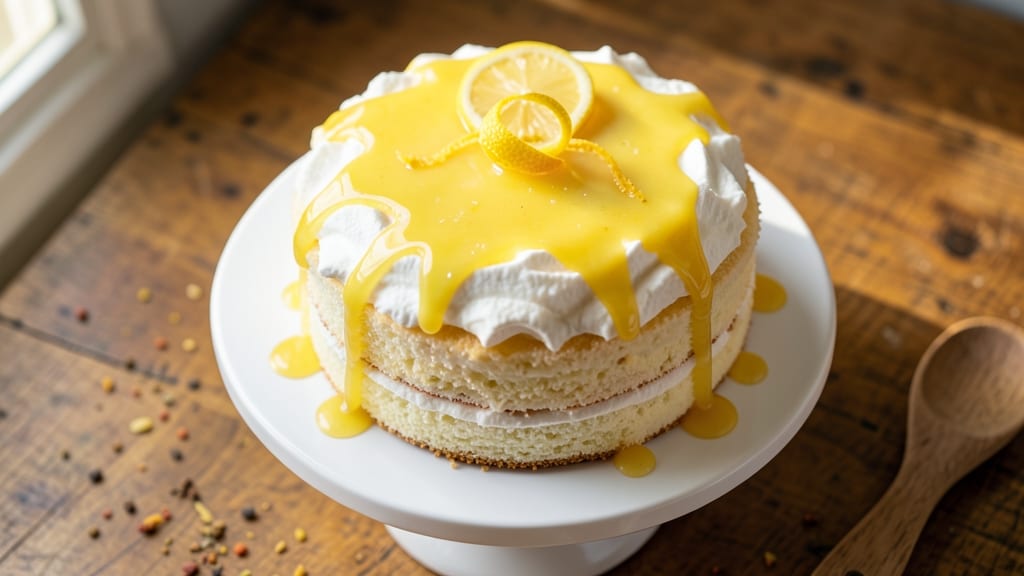
This angel food cake recipe delivers the lightest, fluffiest layers you've ever tasted, topped with a bright lemon glaze that cuts through the sweetness perfectly.
The secret lies in properly separating eggs and folding them gently into the batter—no heavy cream or butter here, just airy perfection that practically melts in your mouth. I've baked countless angel food cakes, and this method consistently produces a cake so tender it earns its "light-as-air" reputation.
What makes this recipe stand out is the balance between technique and simplicity. You'll need an electric mixer for those critical peaks, and a tube pan ensures even baking, but the process itself is straightforward once you understand the folding method.
The lemon glaze transforms this classic dessert into something special—tart, glossy, and impossible to resist. Every slice reveals that signature crumb structure, where the cake practically dissolves with each bite.
By the time you're done, you'll have a cake that's elegant enough for special occasions but simple enough for weeknight desserts. The lemon glaze adds a professional touch that makes it feel like a bakery creation, while the natural sweetness of the cake provides perfect balance.
Serve with fresh berries or a dollop of whipped cream to enhance the citrus notes.
This recipe includes all the professional tips I've learned over years of baking—from proper egg separation to glaze consistency—that ensure your cake turns out perfectly every time.
The results speak for themselves: a dessert that's both impressive and foolproof, with that signature angel food texture and zesty lemon finish that makes it unforgettable.
Ingredients for angel food cake lemon glaze
Twelve egg whites, a tube pan, and a splash of lemon—this is all you need for bakery-worthy angel food cake.
| Ingredient | Amount | Notes |
|---|---|---|
| Large Egg Whites 🥚 | 12 whole | Room temperature, separated carefully |
| Granulated Sugar 🍚 | 1 ½ cups | Superfine preferred for even dissolving |
| All-Purpose Flour 🌾 | 1 ½ cups | Sifted, spooned lightly |
| Cream of Tartar 🧂 | 1 ½ tsp | Essential for egg white stability |
| Vanilla Extract 🌿 | 1 tsp | Pure vanilla preferred |
| Salt 🧂 | ½ tsp | Fine sea salt preferred |
| Lemon Zest 🍋 | 1 tbsp | Fresh, finely grated |
| Angel Food Cake Tube Pan 🍰 | 1 whole | Ungreased, standard 10-inch |
| Lemon Juice 🍋 | ½ cup | Freshly squeezed, strained |
| Powdered Sugar 🍚 | 1 cup | Sifted for smooth glaze |
| Cornstarch 🌾 | 2 tbsp | For glaze stability |
| Fresh Berries 🍓 | 2 cups | Optional garnish (strawberries, raspberries) |
The egg whites are non-negotiable here—room temperature is crucial for volume. Kirkland brand or any high-quality large eggs work best. Separate them carefully, ensuring no yolk traces make it into the whites. For the sugar, superfine dissolves faster, but regular granulated will work if you pulse it briefly in a food processor. The cream of tartar stabilizes the whites, so don't skip it. I always grab my vanilla extract from Williams Sonoma—it's worth the splurge for that pure flavor. The flour? King Arthur brand is my go-to for angel food cakes, but any high-protein all-purpose flour will do.
No cream of tartar? Substitute with 1/4 tsp baking powder—it's the same acidity boost. Running short on powdered sugar for the glaze? Blend granulated sugar with 1 tbsp cornstarch to mimic the texture. Fresh lemon zest is ideal, but if you're using bottled, double the amount—it's less potent. The tube pan must be ungreased for that signature texture, but you can line it with parchment if you're worried about sticking. For the berries, frozen works in a pinch, just thaw and drain them first.
This cake is best served the day it's baked—24 hours lets the flavors meld perfectly. Store leftovers in an airtight container at room temperature for up to 3 days, or freeze for 1 month. The glaze sets quickly, so assemble the cake right before serving. I like to portion the berries into small containers first—makes plating a breeze when guests arrive. For extra flair, dust the top with a little powdered sugar right before serving.
Why You'll Love This Recipe
- No Whisk Fatigue: This cake is basically a hand mixer’s dream—just egg whites, sugar, and a splash of cream of tartar. No butter, no kneading, no waiting for dough to rest. I’ve made it while scrolling through my phone; the only real work is beating those whites until they’re glossy enough to make a chef jealous.
- Lemon Glaze Magic: That bright, tangy glaze? It’s the star. The cake’s light texture soaks it up perfectly, but it’s still sweet enough to satisfy without being cloying. Honestly, I’ve been known to drizzle extra on my toast just to taste it—no cake required.
- Party in a Box: Slice it for brunch, layer it for a dessert buffet, or serve it solo with tea. The angel food’s neutral flavor lets the lemon shine, so it works with berries, whipped cream, or even a sprinkle of powdered sugar. My go-to? A single slice with fresh strawberries—simple, but always impressive.
- Budget Bright Spot: Egg whites and sugar are cheap staples, and this recipe stretches further than most cakes. Leftovers? They last days in the fridge, and I’ve reheated slices in the microwave without losing that airy magic. Plus, the glaze uses pantry basics—no fancy ingredients, just flavor.
Step-by-step instructions for angel food cake with lemon glaze
This recipe delivers a cloud-like texture with bright citrus notes—here's how to nail it every time.
Prepare the Egg Whites and Sugar Mixture
Begin by separating the 12 whole large egg whites into a spotless, grease-free bowl. Room temperature eggs whip up faster and more stably, so make sure they've been out of the fridge for at least 30 minutes. Add the 1.5 teaspoons cream of tartar and 0.5 teaspoon salt—this stabilizes the whites and prevents weeping later.
Using a stand mixer with the whisk attachment, beat the egg whites on low speed until foamy. Gradually add the 1.5 cups granulated sugar, about 1 tablespoon at a time, increasing speed to high after each addition. You're looking for stiff, glossy peaks that hold their shape when the whisk is lifted—this takes about 8-10 minutes. The mixture should be thick enough to hold its shape when you turn the bowl upside down.
Fold in Dry Ingredients Gently
In a separate bowl, whisk together the 1.5 cups all-purpose flour, 1 teaspoon vanilla extract, and 1 tablespoon lemon zest. Sift the flour lightly into the egg white mixture, using a spatula to fold it in gently from the bottom up. Work quickly but carefully—overmixing deflates the air bubbles you've worked so hard to create.
Fold in just until the flour disappears completely. The batter should be smooth and glossy, with no visible streaks of flour. Avoid using a mixer for this step—hand-folding preserves that signature angel food cake lightness. Once fully incorporated, transfer the batter to the ungreased angel food cake tube pan and spread it evenly.
Bake at High Heat for Perfect Rise
Preheat your oven to 350°F and place the tube pan in the center rack. Bake for 40-45 minutes, or until the top springs back when pressed lightly with your finger and a toothpick inserted in the center comes out clean. The cake should pull away from the sides of the pan and have a golden hue.
Here's the thing—don't open the oven door during baking. The sudden temperature drop can cause the cake to collapse. If you're unsure, check the cake's doneness by gently tapping the top—it should sound hollow. Once done, remove from the oven and let it cool in the pan for 5 minutes before inverting onto a wire rack to cool completely.
Prepare the Lemon Glaze
While the cake cools, prepare the glaze by whisking together the 1 cup powdered sugar, 2 tablespoons cornstarch, 0.5 cup lemon juice, and a pinch of salt in a small bowl. The cornstarch prevents the glaze from becoming too runny. Whisk until smooth—you want a thick, syrupy consistency that coats the back of a spoon.
If the glaze is too thick, add 1-2 teaspoons water at a time until it reaches a pourable consistency. Taste it—it should be sweet but still tangy from the lemon. For extra brightness, you can strain out any pulp from the lemon juice to ensure a silky-smooth finish.
Assemble and Serve
Once the cake is completely cool, carefully slice it horizontally into two equal layers. Place the bottom layer on a serving plate and spread half of the lemon glaze over the top. Add the second layer and drizzle the remaining glaze evenly over the top and sides. For a stunning presentation, arrange the 2 cups fresh berries around the cake or on top.
Serve immediately for the freshest flavor and texture. The glaze will set slightly as it cools, but the cake will still be light and airy with that perfect citrus kick. Each slice should reveal a delicate crumb and a burst of lemon flavor that balances the sweetness beautifully.
Pro Tips For Making Angel Food Cake Lemon Glaze
- Whip Whites to Stiff Peaks: DESCRIPTION: Use a stand mixer with the whisk attachment—no hand-whipping here—and let the bowl sit for 5 minutes between speed increases. I learned this the hard way after struggling to get proper volume; the bowl warms slightly, helping the whites hold their shape better.
- Sift Flour Like It’s Snow: DESCRIPTION: Sift that all-purpose flour twice if you’re using a recipe with more than 1 cup—angel food cake is fussy about lumps. I was skeptical until I tried it: the first sift breaks clumps, the second ensures even distribution so the cake stays light.
- Skip the Overmixing Trap: DESCRIPTION: Fold in the flour just until no white streaks remain—overmixing deflates those glorious egg whites faster than you can say "collapsed cake." Use a spatula and work in two batches if needed; patience here saves you from a dense disaster.
- Glaze While Still Warm: DESCRIPTION: Drizzle the lemon glaze over the cake immediately after baking, while the top is still slightly warm—it soaks in better and doesn’t pool like syrup. Wait too long, and you’ll end up with a sticky, uneven mess. (Yes, even if you’re impatient like me.)
Troubleshooting this dish
Cake Collapses
If your angel food cake sinks or collapses, it’s usually from opening the oven door too early or not letting it cool properly in the pan. The cake needs to set for 5 minutes before inverting—don’t rush this step!
Also, ensure your egg whites reached stiff peaks (they should stand straight up when the whisk is lifted). If your oven runs hot, reduce the temperature to 325°F and check for doneness at 35 minutes.
Dense or Gummy Texture
A dense or gummy cake often means overmixing or underwhipped egg whites. Whip the egg whites to stiff, glossy peaks—they should hold their shape when the bowl is turned upside down. Fold in the flour gently with a spatula, avoiding any mixing motion.
If your cake still feels gummy, it might not have baked long enough. Extend baking time by 5-10 minutes and check the internal temperature—it should reach 130°F.
Glaze Too Thin or Runny
For a thick, pourable glaze, whisk the powdered sugar and cornstarch together first to avoid clumps. If it’s too thin, let it sit for 10 minutes to thicken naturally. Need to adjust?
Add 1 teaspoon cornstarch at a time until it reaches a syrupy consistency. Straining the lemon juice removes pulp, which can make the glaze grainy—always strain for a silky finish. 🍋
Uneven Baking or Soggy Layers
Uneven baking usually means the pan wasn’t centered in the oven or the cake wasn’t fully cooled before slicing. Place the tube pan on the middle rack and avoid opening the oven door during baking.
For soggy layers, ensure the cake is completely cool before assembling. If the glaze absorbs too quickly, chill the cake layers for 15 minutes in the fridge before adding the glaze.
Lemon Glaze Too Sweet
Balance the sweetness by adjusting the lemon juice ratio. Start with ½ cup lemon juice and add 1 teaspoon at a time until the glaze tastes tangy. For extra brightness, add ½ teaspoon lemon zest to the glaze.
Taste as you go—it should complement, not overpower, the cake’s sweetness. A pinch of salt also enhances the lemon flavor without adding sweetness. 💡
Nutrition facts
Frequently asked questions
Why does my angel food cake turn out dense instead of light?
Dense angel food cake usually happens when egg whites aren't whipped to stiff, glossy peaks or when flour is mixed in too vigorously. Always fold dry ingredients gently with a spatula to preserve air bubbles. Also, ensure your egg whites are room temperature—cold whites won't whip properly. If your oven runs hot, reduce temperature to 325°F and bake for 10 minutes longer.
Can I make this cake without a tube pan?
Use a 9-inch round cake pan lined with parchment paper. Grease the pan lightly with cooking spray to prevent sticking. Bake at 350°F for 35-40 minutes instead of 40-45 minutes. The texture will be slightly different but still delicious. For a rustic look, bake in a loaf pan and slice into thick pieces.
How do I store leftover angel food cake with lemon glaze?
Keep the cake in an airtight container at room temperature for up to 3 days. The glaze will keep it moist, but avoid refrigerating—condensation makes the cake soggy. For longer storage, freeze the cake (without glaze) for up to 1 month. Thaw overnight in the fridge before adding fresh glaze.
What's the best way to adjust the lemon glaze sweetness?
Start with the full ½ cup lemon juice and taste as you go. For a sweeter glaze, reduce juice by 1 tablespoon at a time. Need more tartness? Add ½ teaspoon extra lemon zest or a pinch of salt to enhance flavor. Remember, the cake's natural sweetness should balance the glaze—aim for a 3:1 sugar-to-lemon ratio in the final product.
Can I use bottled lemon juice instead of fresh?
Yes, but fresh is always better! Bottled juice lacks brightness and may contain preservatives that affect flavor. If using bottled, add 1 extra teaspoon lemon zest and ¼ teaspoon salt to compensate. For the best results, strain fresh lemon juice through a fine-mesh sieve to remove pulp that can make the glaze grainy.