
Desserts
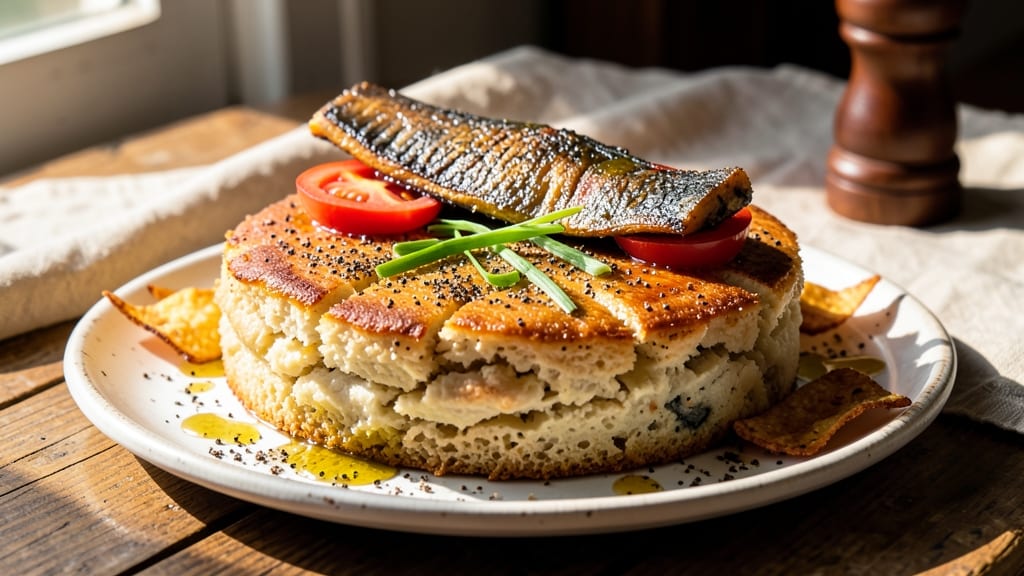
This Antigua saltfish cake recipe brings the vibrant flavors of the Caribbean to your kitchen with crispy, golden fritters bursting with spiced cod and tangy lime zest. 🌟 The secret lies in the perfect balance of saltfish, warm spices, and a light, crispy batter that transforms simple ingredients into something extraordinary.
I first tasted these at a local market in St. John’s, where the aroma of frying cakes filled the air—now, I recreate that magic in my own kitchen.
The recipe starts with tender saltfish, soaked and shredded to create a moist, flavorful base. Mixed with flour, baking powder, and a blend of Caribbean spices like allspice and thyme, the batter develops a fragrant, slightly spicy profile that’s both comforting and exciting.
The lime zest adds a bright, citrusy kick that cuts through the richness, making each bite feel fresh and balanced.
What you’ll end up with is a batch of crispy-edged, golden-brown fritters that are light yet satisfying, with a tender interior that holds up perfectly to the crispy exterior. The aroma alone will transport you to Antigua, where these cakes are a staple at breakfast tables and festive gatherings.
Serve them with a side of callaloo or fried plantains for the full island experience.
This recipe is designed to be foolproof—no advanced techniques required, just a few simple steps that deliver restaurant-quality results. Whether you're making them for a family brunch or a special occasion, these saltfish cakes are sure to impress. Let’s get started!
Ingredients for antigua saltfish cake
Caribbean flavors start with saltfish, warm spices, and zesty lime in this crispy fritter recipe.
| Ingredient | Amount | Notes |
|---|---|---|
| Saltfish (Salt Cod) 🐟 | 1 lb | Soaked overnight to remove salt |
| All-Purpose Flour 🌾 | 1 ½ cups | For light, crispy batter |
| Baking Powder 🍞 | 1 tbsp | Ensures fluffy texture |
| Salt 🧂 | 1 tsp | Adjust to taste |
| Ground Black Pepper 🌶️ | ½ tsp | Freshly ground preferred |
| Ground Allspice 🌶️ | ½ tsp | Key Caribbean spice |
| Dried Thyme 🌿 | ½ tsp | Or 1 tbsp fresh thyme |
| Fresh Lime 🍋 | 1 whole | Zest only for bright flavor |
| Vegetable Oil 🫒 | 2 cups | For deep frying |
| Large Egg 🥚 | 1 whole | For binding batter |
| Milk 🥛 | ½ cup | For tender crumb |
| Garlic Cloves 🧄 | 2 cloves | Minced for extra flavor |
| Scotch Bonnet Pepper 🌶️ | ¼ whole | Seeds removed for mild heat |
Saltfish is the star here—Caribbean Food Store or well-stocked Latin markets carry the best. Look for thick, firm pieces that soak up flavor. Soaking overnight in cold water (changed twice) removes excess salt. I usually grab Caribbean Food Store's brand because it's consistently tender. If you can't find saltfish, firm white fish like cod or haddock works in a pinch, but soak it in milk first to remove fishy taste. The lime zest is non-negotiable—use fresh limes for that bright pop. If you can't find Scotch bonnet, jalapeño or habanero (seeds removed) works, but reduce to 1/4 pepper for milder heat.
No allspice? Mix cinnamon and nutmeg at 1/4 tsp each—it's not identical, but close. The baking powder must be fresh (test by dropping in water—if it fizzes, it's good). For the oil, vegetable or peanut oil works best—avoid olive oil. If you're short on time, pre-shredded cheese (like cheddar) can add richness, but it's not traditional. The batter should be thick but pourable—add a splash more milk if needed. And trust me on the egg—room temperature incorporates better for a smoother batter.
These cakes are best fresh but reheat beautifully—350°F for 5 minutes in the oven. Store leftovers in an airtight container for 2 days in the fridge. Freeze for up to 1 month by laying them flat on a tray first, then transferring to a bag. The key to crispiness? Don't overcrowd the pan—fry in batches if needed. Serve with spicy pepper sauce or tart mango chutney for the full Antigua experience.
Why You'll Love This Recipe
- Saltfish in Minutes: I swear, soaking the saltfish overnight is the only real step—after that, it’s just mixing, shaping, and baking. No fancy techniques, no last-minute scrambling.
- That Crispy-Soft Magic: The saltfish soaks up the flour and baking powder, giving you a crust that’s just crisp enough to shatter, while inside it’s tender and packed with that salty, savory depth. Honestly, it’s the kind of texture that makes you forget it’s "just" a cake.
- Breakfast or Snack?: I’ve had these cold for breakfast with tea, reheated as a side for dinner, and even packed in lunchboxes. The flour and pepper keep it interesting no matter when you eat it—no one’s ever turned one down.
- Budget-Friendly Staple: Saltfish is cheap, lasts forever in the freezer, and stretches into multiple meals. I’ve made these for potlucks, family dinners, and even as a quick lunch when I’m too tired to cook. Zero waste, all flavor.
Step-by-step instructions for Antigua saltfish cakes
Here's how to make crispy, golden saltfish cakes with that perfect Caribbean crunch and tangy kick.
👨🍳 Step 1: Prepare the Saltfish Mixture
Start by draining the soaked 1 lb saltfish (salt cod) thoroughly and pat it completely dry with paper towels. I like to press it between the towels to remove every last bit of moisture—this prevents soggy cakes. Using a sharp knife or your hands, shred the saltfish into fine, even pieces, about the size of small crumbs. You want them to blend seamlessly into the batter.
In a large mixing bowl, combine the shredded saltfish with the 1.5 cups all-purpose flour, 1 tbsp baking powder, 1 tsp salt, 0.5 tsp ground black pepper, 0.5 tsp ground allspice, and 0.5 tsp dried thyme. Use a fork or whisk to break up any lumps in the flour and mix everything together until you have a coarse, crumbly texture. This dry mix is the backbone of your cakes, so don't skip the thorough mixing.
🍳 Step 2: Create the Batter with Egg, Milk, and Aromatics
In a separate bowl, whisk together the 1 whole large egg, 0.5 cup milk, and the zest of the 1 whole fresh lime (just the yellow part, no white pith). The lime zest adds that bright, citrusy punch that's so characteristic of Caribbean flavors. Add the minced 2 cloves garlic and the deseeded, finely chopped 0.25 whole Scotch bonnet pepper to this mixture. Stir well to combine—this is where all the bold flavors come together.
Now, slowly pour the wet mixture into the dry ingredients while whisking continuously. The batter should come together into a thick, sticky paste that's easy to handle but still holds its shape when scooped. If it's too thick, add 1 tablespoon of milk at a time until you reach a smooth, spoonable consistency. Here's the thing—this batter needs to be just right. Too thin and your cakes will be flat; too thick and they won't cook through properly.
🔥 Step 3: Fry the Saltfish Cakes to Golden Perfection
Heat 2 cups vegetable oil in a deep skillet or Dutch oven over medium heat until it reaches 350°F on a deep-fry thermometer. If you don't have one, test the oil by dropping in a small piece of batter—it's ready when it sizzles and rises to the surface within 5 seconds. The oil should be hot enough to create a golden crust but not so hot that it burns the outside before the inside cooks.
Using a spoon or small ice cream scoop, carefully drop 1.5-inch balls of batter into the hot oil, working in batches so you don't overcrowd the pan. Fry for 3-4 minutes per side until they turn a beautiful golden brown color. You'll know they're done when they float to the surface and maintain their shape. If they stick, gently nudge them with a wooden spoon to help them release. Transfer the cooked cakes to a paper towel-lined plate to drain excess oil.
⏰ Step 4: Rest and Serve Warm
Let the saltfish cakes rest for 5 minutes before serving. This brief resting period allows any residual moisture to redistribute, ensuring each bite is tender and flavorful. I like to serve them immediately while they're still warm and crispy, but they'll keep well at room temperature for up to 2 hours if needed.
For the ultimate experience, pair these cakes with a dollop of spicy pepper sauce or a cool, creamy side salad. The contrast of temperatures and flavors makes every bite even more satisfying. Here's a pro tip: if you have any leftover batter, you can shape it into patties and fry them again—they taste just as good the second time around!
Pro Tips For Making Antigua Saltfish Cake
- SOAK THE SALTED FISH RIGHT: Skip the long soak—just cover the saltfish in warm water for 20-30 minutes while you prep the rest. The goal isn’t to fully desalt it (that’s impossible without hours), but to soften it enough to shred properly. I learned this the hard way after shredding dried-out chunks that turned to mush in the batter.
- SHRED WITH YOUR HANDS: Resist the urge to pull out the food processor—your fingers are the secret weapon. Saltfish shreds unevenly when chopped, but tearing it by hand gives that authentic, rustic texture the cake needs. Work fast while the fish is still warm from soaking.
- DON’T OVERMIX THE BATTER: Stir just until the flour disappears—overmixing makes the cake dense and gummy. I used to beat it like pancakes, and the result was a brick. Think "rough dough," not smooth batter. A few lumps? That’s the way.
- BAKE UNTIL GOLDEN, NOT JUST SET: The cake’s crust should be deep golden, not pale. I used to pull mine out at 350°F (175°C) when it looked done, only for it to stay dense inside. Crank the oven to 375°F (190°C) and check at 25 minutes—it’ll firm up as it cools. Patience here makes all the difference.
Make-ahead tips for this recipe
Batter Prep Ahead
Mix the dry ingredients—flour, baking powder, salt, pepper, allspice, and thyme—up to 2 days ahead and store in an airtight container in the fridge. When ready to fry, simply whisk in the wet ingredients (egg, milk, lime zest, garlic, and Scotch bonnet) just before cooking.
This keeps your spices fresh and prevents the batter from absorbing fridge odors. 🌿
Fry in Batches
Fry the cakes in small batches to maintain oil temperature at 350°F. Overcrowding drops the heat, leading to greasy, unevenly cooked cakes. I use a slotted spoon to transfer them to a wire rack lined with paper towels—this ensures crispiness by preventing steam buildup.
Never stack them; let them cool slightly between batches. 🔥
Freeze for Later
For maximum convenience, fry the cakes, let them cool completely, and freeze them on a tray before transferring to a ziplock bag. Reheat from frozen in a 350°F oven for 8-10 minutes or air fry at 375°F for 5 minutes.
The texture stays crispy, and the flavors remain vibrant. Label bags with the date—these keep for up to 1 month. ❄️
Make-Ahead Serving
Assemble the full batter (without frying) up to 12 hours ahead and refrigerate. When ready, scoop and fry as directed. The cold batter will create an extra-crispy exterior thanks to the temperature contrast.
Serve warm with a side of spicy pepper sauce or mango chutney for that authentic Antigua touch. 🍋
Double the Batch
This recipe makes about 12 cakes, but you can easily double it for gatherings. Use a larger Dutch oven (like a 5-quart model) and fry in two batches to avoid overcrowding.
Keep the oil temperature steady by adding ½ cup fresh oil between batches if needed. Double the lime zest too—it’s the secret to that bright, tangy finish! 🌟
Storage Hacks
Store cooked cakes in a single layer in an airtight container with parchment paper between them to prevent sticking. They’ll stay fresh for 3 days in the fridge.
For extra crispiness, reheat in a skillet with 1 tsp oil over medium heat for 2 minutes per side. Avoid the microwave—it makes them soggy! 💡
Nutrition facts
Frequently asked questions about Antigua saltfish cakes
Can I substitute regular cod for saltfish?
Yes, but you must soak the cod in milk for 30 minutes first to remove any fishy taste. Regular cod lacks the deep saltiness of saltfish, so add an extra ½ tsp salt to the batter. The texture will be slightly less firm, but the flavor remains delicious.
Why does my batter look too thick or too thin?
If it's too thick, add 1 tablespoon milk at a time until smooth. Too thin? Stir in 1 tablespoon flour until it holds shape when dropped. The perfect consistency is like thick pancake batter—it should coat the back of a spoon but still flow easily.
How do I make these cakes less spicy?
Remove all seeds and membranes from the Scotch bonnet pepper before chopping. For milder heat, reduce to ¼ pepper or swap for ½ jalapeño. If using pre-made hot sauce, mix it with a neutral sauce (like tomato) to dilute the spice.
Can I bake these instead of frying?
You can try! Preheat oven to 400°F and bake on a greased tray for 15-18 minutes, flipping halfway. The result will be softer (not crispy) but still flavorful. For extra crunch, broil for 2 minutes at the end.
What's the best way to serve these cakes?
Pair with spicy pepper sauce, fried plantains, or a fresh mango-lime salad. For brunch, serve with scrambled eggs or a simple tomato-based stew. The lime zest in the cakes makes them perfect with sweet-and-sour sides!