
Desserts
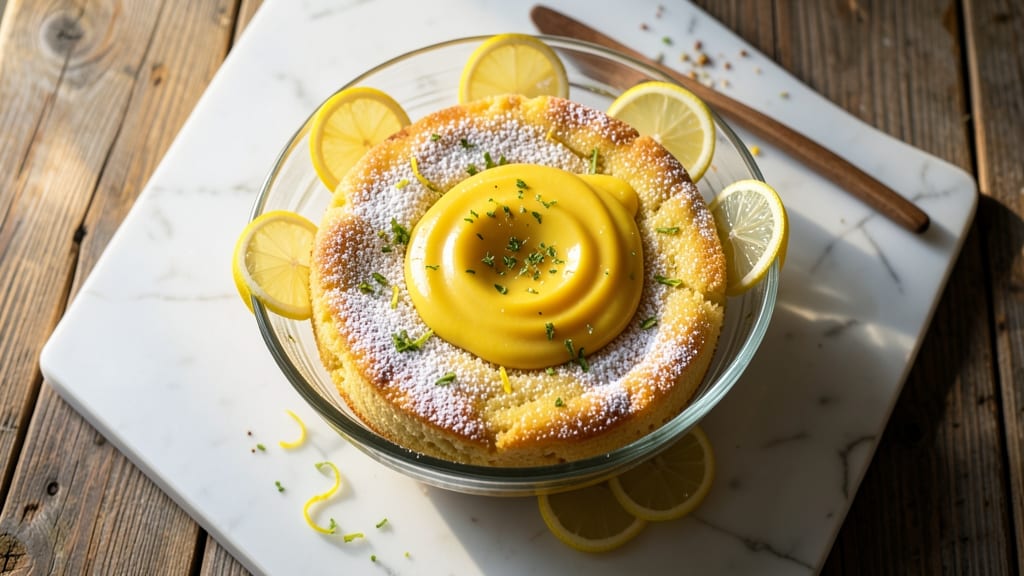
This anytime lemon cake recipe delivers bright citrus layers with minimal effort—no fancy layers or complicated steps, just one bowl of sunshine in every bite. The secret lies in a simple yet foolproof method that creates tender, moist layers with a perfect balance of zesty lemon and buttery richness.
I developed this recipe for those moments when you crave something fresh and cheerful without the fuss of elaborate baking.
What makes this cake truly versatile is its one-bowl simplicity—no mixing bowls, no layering stress, and no waiting for multiple steps. The cake bakes up with a tender crumb and just the right amount of citrus tang, making it ideal for breakfast pastries, afternoon snacks, or a light dessert.
The recipe also includes a quick lemon glaze that adds shine and extra zing, ensuring every slice tastes like it was made with love.
Perfect for weekday breakfasts or weekend gatherings, this cake stays fresh for days and pairs beautifully with a dollop of whipped cream or a sprinkle of fresh berries. The bright lemon flavor cuts through richness, making it a crowd-pleaser that’s as easy to serve as it is to bake.
Let’s get started on a recipe that brings joy in every forkful.
The beauty of this lemon cake is its adaptability—enjoy it plain, with a dusting of powdered sugar, or topped with a creamy lemon frosting for a more decadent treat.
Whether you’re baking for a special occasion or just treating yourself, this recipe delivers restaurant-quality results with minimal effort. Here’s how to make it shine.
Ingredients for anytime lemon cake
Simple pantry staples and bright citrus create this one-bowl lemon cake wonder.
| Ingredient | Amount | Notes |
|---|---|---|
| All-Purpose Flour 🌾 | 2 ½ cups | Sifted for even texture |
| Granulated Sugar 🍚 | 1 ½ cups | White or light brown |
| Unsalted Butter 🧈 | 1 cup | Room temperature, full-fat |
| Fresh Lemon Juice 🍋 | ¾ cup | From 4-6 lemons, freshly squeezed |
| Large Eggs 🥚 | 3 whole | Room temperature, beaten |
| Baking Powder 🧂 | 2 tsp | Diamond Crystal preferred |
| Salt 🧂 | ½ tsp | Fine sea salt |
| Vanilla Extract 🌸 | 1 tsp | Pure vanilla preferred |
| Zest of 2 Lemons 🍋 | 2 whole | Finely grated, bright yellow |
| Powdered Sugar 🍚 | 1 ½ cups | For glaze, sifted |
| Fresh Lemon Juice 🍋 | ¼ cup | Extra for glaze |
| Heavy Cream 🥛 | ¼ cup | Optional for glaze richness |
The flour matters here—King Arthur or Gold Medal are my go-tos for that tender crumb. If your grocery store doesn't carry them, any all-purpose will work, but sift it first for best results. The butter? Full-fat is non-negotiable—it's what gives this cake its rich, moist texture. Room temperature butter mixes better, so take it out of the fridge 30 minutes before you start. For the lemons, Meyer lemons if you can find them—they're sweeter and more fragrant, but regular lemons work perfectly fine. Just make sure they're juicy; a good lemon should yield about 2 tablespoons of juice per fruit.
No fresh lemons? Bottled lemon juice works in a pinch, but it lacks the bright flavor you want here. Running short on vanilla? Almond extract at half the amount adds depth, but it's not the same. The baking powder is crucial—Diamond Crystal measures differently than Rumford, so if your recipe calls for 2 teaspoons, use 1.5 teaspoons of Rumford. For a lighter cake, you can replace 0.5 cup of the all-purpose flour with cake flour, but it's not necessary. The glaze can be made ahead and stored in the fridge for up to 3 days—just whisk it back up before using.
This cake keeps beautifully at room temperature for 3 days wrapped in plastic, or up to 1 week in the fridge. For longer storage, freeze the cake (without glaze) for up to 3 months. Thaw at room temperature before serving. The glaze sets quickly, so add it just before serving if you're worried about stickiness. I like to make a double batch of glaze—one for the cake and one to drizzle over fresh berries on the side.
Why You'll Love This Recipe
- No Fuss Mixing: I swear by this batter—just fold the flour into melted butter, crack in eggs, and stir. No sifter, no overmixing, no stress. The butter stays cool enough to keep the texture light, and the lemon juice brightens everything instantly.
- Citrus Magic: That first bite? Tangy, sweet, and just a whisper of zesty sharpness from fresh lemon juice—not powdered, not bottled. The sugar caramelizes just enough to make it dangerously addictive, especially when you cut into the crumbly-yet-moist center.
- Weeknight Hero: I’ve made this for breakfast (with yogurt), brunch (with berries), and even dessert (with whipped cream). The cake holds up to whatever you throw at it—no fancy plating, no last-minute scrambling. Honestly, it’s my go-to when I need something reliable.
- Budget-Friendly Staples: Flour, sugar, butter, eggs—these are ingredients I already have. No specialty items, no markup on lemons (fresh or frozen works). And the leftovers? Still perfect two days later, whether sliced or stored in the fridge. Minimal cost, maximum payoff.
Step-by-step instructions for anytime lemon cake
Here's how to create a perfectly balanced lemon cake with moist layers and tangy citrus flavor.
Cream Butter and Sugar Together
In a large mixing bowl, combine the 1 cup unsalted butter and 1.5 cups granulated sugar. Using an electric mixer on medium speed, beat for 3-5 minutes until the mixture is light and fluffy, with ribbons forming when the beaters are lifted. This step incorporates air, which creates a tender crumb in the final cake.
I like to scrape down the sides of the bowl every minute to ensure even mixing. The butter should be at room temperature—press your finger into it; if it leaves a slight indent, it's ready. If it's too cold, the cake will be dense. If it's too soft, the butter might separate.
Add Eggs and Lemon Zest Gradually
Add the 3 whole large eggs, one at a time, mixing well after each addition. After the eggs are fully incorporated, stir in the 1 teaspoon vanilla extract and the 2 whole zest of 2 lemons. Mix on low speed just until combined—overmixing can develop gluten in the flour and make the cake tough.
The lemon zest adds bright flavor without adding moisture, which helps maintain the cake's tender texture. I use a fine grater for the zest to avoid any bitter pith. The mixture should be smooth and slightly pale yellow from the lemon flavor.
Combine Dry Ingredients and Wet Mixture
In a separate bowl, whisk together the 2.5 cups all-purpose flour, 2 teaspoons baking powder, and 0.5 teaspoon salt. Sift the flour mixture to aerate it and remove any lumps. With the mixer on low speed, gradually add the dry ingredients to the wet mixture, mixing just until combined.
Next, pour in the 0.75 cup fresh lemon juice and mix on low speed until the batter is smooth and fully incorporated. The batter should be thick but pourable. If it's too thick, you can add 1-2 tablespoons of milk (though the recipe doesn't call for it, this is a common troubleshooting step).
Bake the Lemon Cake
Preheat your oven to 350°F. Grease two 8-inch round cake pans and line the bottoms with parchment paper. Divide the batter evenly between the two pans. Bake for 25-30 minutes, or until a toothpick inserted into the center comes out clean. Rotate the pans halfway through baking for even browning.
The cake should be golden on top but still slightly springy to the touch. If the edges brown too quickly, tent the pans with aluminum foil. Let the cakes cool in the pans for 10 minutes, then transfer to a wire rack to cool completely before assembling.
Prepare the Lemon Glaze
While the cakes cool, prepare the glaze by whisking together the 1.5 cups powdered sugar, 0.25 cup fresh lemon juice, and 0.25 cup heavy cream (if using) in a bowl. Whisk until smooth and fully combined. The glaze should be thick but pourable—add a splash more lemon juice if needed to reach the right consistency.
Once the cakes are completely cool, place one cake layer on a serving plate. Spread a thin layer of lemon glaze over the top, then place the second cake layer on top. Drizzle the remaining glaze over the entire cake, letting it drip down the sides for a professional finish. Serve immediately or store covered at room temperature for up to 3 days.
Pro Tips For Making Anytime Lemon Cake
- Whisk Butter & Sugar Longer: I learned this the hard way—skipping the full 3-4 minutes of creaming butter and sugar leaves tiny pockets of air that make your cake dense. Use a stand mixer (or elbow grease) until the mix is pale and fluffy, like it’s begging for more flour.
- Zest Before Juicing: Fresh lemon zest packs way more flavor than juice alone. Grate it directly into the dry ingredients while the butter’s still creaming—it blooms instantly and cuts through the sweetness better than adding it later.
- Don’t Overmix the Batter: Once you fold in the flour, stop after 10-12 strokes. I used to think more mixing = better texture, but overworking it turns your tender cake into a tough brick. The second the flour disappears, call it done.
- Bake Until Skeletonized: A toothpick test is useless here—your cake might look done but still be gummy inside. Pull it out when the edges are golden and the center springs back slowly when pressed. Let it cool 15 minutes before slicing, or the filling will ooze everywhere.
Best sauces and condiments for this recipe
Classic Lemon Curd
This silky, tangy curd elevates your cake with a rich, citrusy center. Simmer ½ cup fresh lemon juice, 3 egg yolks, ½ cup granulated sugar, and ¼ cup unsalted butter over low heat for 8-10 minutes until thickened.
Strain through a fine-mesh sieve, then chill for 2 hours before spreading between cake layers. 🍋
Whipped Cream Frosting
For a lighter touch, whip 1 cup heavy cream with 2 tablespoons powdered sugar and 1 teaspoon vanilla extract until soft peaks form. Fold in 1 tablespoon lemon zest for extra brightness.
Pipe or spread over the cake, then garnish with fresh berries or lemon slices. This frosting adds airiness without overpowering the lemon flavor.
Honey-Lemon Drizzle
Combine ¼ cup honey with 2 tablespoons fresh lemon juice and 1 tablespoon water. Warm gently until the honey dissolves, then strain. Drizzle over the cake just before serving for a glossy, sweet-tart finish.
The honey enhances the lemon’s natural sweetness while adding a subtle floral note. Perfect for a quick, elegant presentation.
Cream Cheese Glaze
Blend 4 oz cream cheese, ½ cup powdered sugar, 1 tablespoon lemon juice, and 1 teaspoon vanilla until smooth. Spread between cake layers or drizzle over the top.
This glaze adds a creamy contrast to the citrusy cake, balancing the flavors beautifully. It’s especially delicious when paired with raspberries or blueberries.
Spiced Whipped Cream
Infuse whipped cream with warmth by adding ½ teaspoon cinnamon and a pinch of cardamom while whipping. Top the cake with this aromatic cream and a sprinkle of toasted almonds for texture. The spices complement the lemon’s brightness, creating a cozy yet refreshing dessert. Ideal for fall or winter gatherings.
Berry Compote
Simmer 1 cup mixed berries (raspberries, blueberries, or strawberries) with 2 tablespoons sugar and 1 tablespoon lemon juice until thickened. Cool before spreading over the cake.
The berries add a fruity contrast to the lemon, making each bite vibrant and juicy. Serve with a dollop of whipped cream for extra indulgence. 💫
Nutrition facts
Frequently asked questions
Can I make this lemon cake in a single layer instead of two?
For a single-layer cake, use one 9-inch round pan or a 9x13-inch baking dish. Bake for 30-35 minutes at 350°F until a toothpick comes out clean. The single layer will be denser but still delicious—perfect for a quick snack or breakfast treat.
Why does my lemon cake taste bitter?
Bitterness usually comes from overmixing the batter or using too much lemon zest (especially bitter pith). Mix just until combined, and use only the yellow part of the zest—avoid the white pith. If the cake tastes bitter, try adding a thin layer of whipped cream or extra glaze to balance the flavors.
Can I substitute bottled lemon juice for fresh?
Yes, but fresh lemon juice gives the best flavor. If using bottled, reduce the amount by 1 tablespoon (since it’s more concentrated). For example, use 0.65 cups bottled juice instead of 0.75 cups fresh. The zest still needs to be fresh for maximum brightness.
How do I store leftover lemon cake?
Keep the cake covered at room temperature for up to 3 days or refrigerate for 1 week. For longer storage, freeze the cake (without glaze) for up to 3 months. Thaw overnight in the fridge before serving. The glaze can be made fresh before serving for the best texture.
What’s the best way to serve this cake for breakfast?
Slice it into small squares and serve with a dollop of whipped cream or a drizzle of honey-lemon syrup. Pair with fresh berries or a cup of Earl Grey tea for a sophisticated morning treat. The bright lemon flavor cuts through the richness, making it a perfect energizing start to the day.