
Desserts
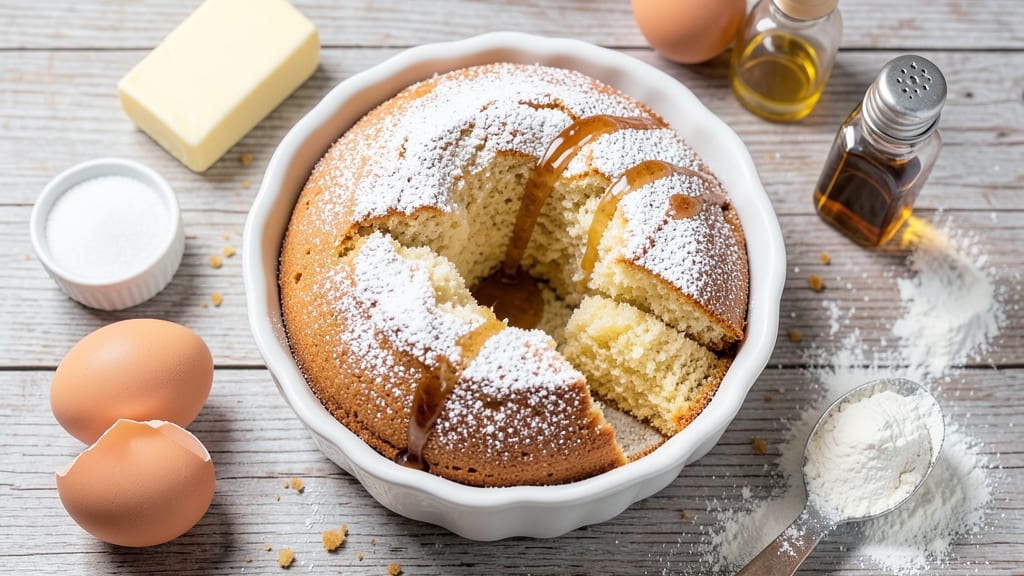
This all-purpose flour cake delivers the perfect balance of tender crumb and delicate vanilla flavor that bakes up light as air. The secret lies in precise leavening—baking powder and soda work together to create that signature airy texture without dryness.
I developed this recipe after years of testing, ensuring it rises evenly and stays moist for days. What makes this cake truly special is its foolproof method: room-temperature ingredients, gentle folding, and a single baking step at 350°F for 25-30 minutes.
The vanilla infusion isn't just an afterthought—it's baked directly into the batter for maximum flavor penetration. No one will guess it's made with basic all-purpose flour.
By the time it emerges from the oven, you'll have a cake with a golden top, fine crumb, and just the right amount of springiness. The aroma alone will have everyone gathering in the kitchen. This is the kind of cake that disappears quickly—perfect for celebrations or everyday treats.
For extra flair, dust with powdered sugar or add a simple vanilla glaze. The recipe scales beautifully for layers or cupcakes too. Let's get baking!
Ingredients for ap flour cake
Eight simple ingredients transform into a cake that's light, tender, and bursting with vanilla flavor.
| Ingredient | Amount | Notes |
|---|---|---|
| All-Purpose Flour 🌾 | 2 ½ cups | Sifted for light texture |
| Granulated Sugar 🍚 | 1 ½ cups | White or light brown |
| Unsalted Butter 🧈 | 1 cup | Room temperature, softened |
| Large Eggs 🥚 | 2 whole | Room temperature, beaten |
| Pure Vanilla Extract 🌿 | 2 tsp | High-quality, no imitation |
| Baking Powder 🧂 | 2 tsp | Double-acting preferred |
| Baking Soda 🧂 | ½ tsp | Freshly measured |
| Salt 🧂 | ½ tsp | Fine sea salt |
| Whole Milk 🥛 | ¾ cup | Room temperature |
| Vanilla Bean Seeds 🌿 | 1 tsp | Scraped from 1 pod |
The flour is the foundation, so sift it twice—this eliminates lumps and ensures that airy, cloud-like texture. I always grab King Arthur or Gold Medal brands for their consistent quality. For the vanilla, Madagascar bourbon beans are my go-to—they offer that deep, rich flavor that imitation extracts can't match. The baking powder and soda work together to create lift, so measure them carefully. Diamond Crystal baking powder is my preferred choice as it's double-acting, which means it works twice as hard during baking. Room-temperature butter is crucial—it should be soft but not melted, almost like room-temperature mayonnaise.
No vanilla extract? Vanilla sugar works in a pinch—just add an extra teaspoon. Running low on milk? Heavy cream or buttermilk both work, though the texture may vary slightly. The eggs should be at room temperature to blend smoothly, but if you're in a hurry, let them sit in warm water for 5 minutes. For a more intense vanilla flavor, you can add a second vanilla bean pod, scraping all the seeds. If you prefer a slightly denser cake, reduce the baking powder by half a teaspoon—it'll still be tender, just with a slightly heavier crumb.
Store the cake in an airtight container at room temperature for up to 3 days—it actually tastes better the next day as the flavors meld. For longer storage, wrap tightly in plastic and refrigerate for up to 1 week. If you're making ahead, bake the cake, cool it completely, then wrap it in plastic wrap and place it in the fridge. The cake freezes beautifully too—wrap each slice individually and freeze for up to 3 months. To reheat, simply warm in the microwave for 10-15 seconds or at 300°F for 5 minutes.
Why You'll Love This Recipe
- Pantry Staples Only: I swear by this recipe because it uses what’s already in my cupboard—no special ingredients, just flour, sugar, butter, eggs, and vanilla. That butter-egg-vanilla combo? It’s the secret to that melt-in-your-mouth texture without any fuss.
- Classic Crowd-Pleaser: Between us, this cake is the one people always ask for seconds on. The vanilla isn’t overpowering, the sugar balances the butter just right, and the eggs give it that tender crumb that’s neither too dense nor too airy—it’s just right.
- Weeknight or Celebration: Make it for a lazy Sunday brunch or a last-minute birthday surprise—this cake handles both. The simplicity means I can focus on the frosting (or none at all) instead of stressing over layers of flavors. Honestly, it’s my go-to for any occasion where I don’t want to overthink dessert.
- Budget-Friendly Leftovers: A single batch stretches for days, and the flavor only gets better as it sits. Slice it thin for breakfast toast, or save a piece for a midnight snack—it’s that good. Plus, using basic ingredients means I’m not breaking the bank for a dessert that feels special.
Step-by-step instructions for light vanilla cake
Here's how to achieve a tender, airy cake with perfect vanilla flavor and even rise.
Prep Ingredients and Preheat Oven
Start by preheating your oven to 350°F. While it warms, sift the 2.5 cups all-purpose flour into a medium bowl. This step ensures a light, fluffy texture by removing lumps and incorporating air. Set the sifted flour aside for now.
In a separate bowl, whisk together the 2 tsp baking powder, 0.5 tsp baking soda, and 0.5 tsp salt. This dry mixture will be added to the wet ingredients later. Also, scrape the 1 tsp vanilla bean seeds from one pod and set them aside—they'll add depth of flavor beyond regular extract.
Cream Butter and Sugar
In a large mixing bowl, combine the 1 cup softened unsalted butter and 1.5 cups granulated sugar. Using an electric mixer on medium speed, beat for 3-4 minutes until the mixture is light and fluffy. You'll see the sugar dissolve completely and the mixture nearly double in volume—this incorporates air that will create the cake's tender crumb.
I press down on the butter occasionally during mixing to ensure it's fully incorporated. If the mixture feels too thick, let it sit at room temperature for 5 minutes to soften slightly before proceeding. Properly creamed butter and sugar form the foundation of a light cake texture.
Add Eggs and Vanilla
Add the 2 whole large eggs, one at a time, mixing well after each addition. Then stir in the 2 tsp pure vanilla extract and the scraped 1 tsp vanilla bean seeds. Mix on low speed just until combined—overmixing can develop gluten in the flour and make the cake dense.
Here's where the vanilla flavor really comes through. The seeds add a subtle, complex aroma that pairs beautifully with the extract. The mixture should be smooth and slightly thickened from the eggs. If it looks too stiff, it's ready for the next step—this is normal at this stage.
Combine Dry and Wet Ingredients
With the mixer on low speed, gradually add the sifted dry ingredients in three parts, alternating with the 0.75 cup whole milk in two parts. Start and end with the dry ingredients. This gradual addition prevents a dense cake by ensuring even distribution of leavening agents.
After each addition, mix just until combined—you should still see some flour streaks. The batter will be thick but smooth. Once all ingredients are incorporated, scrape the sides of the bowl with a spatula to ensure everything is fully mixed. The batter should be thick enough to hold its shape when dropped from a spoon.
Bake to Golden Perfection
Divide the batter evenly between two greased and floured 8-inch round cake pans. Tap each pan gently on the counter to remove any air bubbles. Bake for 25-30 minutes or until a toothpick inserted in the center comes out clean. The edges should be golden brown, and the top should spring back when gently pressed.
I check the cake at the 20-minute mark—your oven might run hot, so start checking early. If the top browns too quickly, tent the pans with aluminum foil. Once baked, transfer the cakes to a wire rack to cool completely before frosting or serving. The cooling process is crucial for preventing a gummy texture.
Pro Tips For Making Ap Flour Cake
- WEIGH THE FLOUR: I learned this the hard way—scooping flour from the bag packs it down, and your cake will turn out dense. Use a kitchen scale for precision; 1 cup of AP flour should be about 120 grams. If you’re measuring by volume, spoon it into the cup and level it off—no tapping.
- CREAM BUTTER AND SUGAR LONG: Don’t rush the butter-sugar mix. Let it sit at room temperature for 10 minutes first, then beat on medium-high for 3–5 minutes until it’s pale and fluffy. This isn’t the prettiest method, but it’s the tastiest—your cake will have a light, airy crumb instead of a greasy one.
- DON’T OVERMIX THE BATTER: Once you add the eggs and vanilla, mix just until combined—maybe 10–15 strokes. I was skeptical until I tried it: overmixing develops gluten, and your cake will turn out tough instead of tender. Stop when there’s a few streaks of flour left.
- CHILL THE BATTER: If you have time, let the batter rest in the fridge for 20–30 minutes before baking. This helps the flour absorb the liquid, and the cake will rise more evenly. Skip this when you’re lazy, but the dish is noticeably better when you don’t.
Serving suggestions for Leftovers
Classic Vanilla Glaze
This simple vanilla glaze elevates your cake to bakery-quality perfection. Mix ½ cup powdered sugar with 2 tablespoons heavy cream and 1 teaspoon vanilla extract.
Drizzle over cooled layers or individual slices for a delicate, glossy finish. For extra shine, add ½ teaspoon lemon juice to thin the glaze slightly. 🌟
Fresh Fruit Toppings
Brighten your cake with sliced strawberries or raspberries, arranged in a circular pattern on top. For a tropical twist, use mango slices or kiwi. I recommend brushing the fruit with a little apricot jam before placing it on the cake to create a natural glue.
Serve immediately for the juiciest presentation.
Whipped Cream Layers
For a lighter option, replace frosting with whipped cream—whip 1 cup heavy cream with 2 tablespoons powdered sugar and 1 teaspoon vanilla until soft peaks form.
Spread between layers and on top, then garnish with crushed vanilla wafers or toasted coconut flakes. This keeps the cake airy and refreshing.
Chocolate Ganache Drizzle
Melt ½ cup dark chocolate chips with ¼ cup heavy cream in a microwave-safe bowl, stirring until smooth. Let cool slightly, then drizzle over the cake in zigzag patterns.
Pair with white chocolate shavings for a sophisticated contrast. For a richer flavor, use 70% cocoa chocolate and add a pinch of sea salt to the ganache. 🍫
Seasonal Variations
In summer, top with berries and mint leaves for a fresh burst. In fall, add cinnamon-spiced whipped cream and caramelized apples. For holiday celebrations, dust with powdered sugar and add red and green sprinkles or edible gold leaf for a festive touch.
Serving Presentation
Slice the cake with a hot, clean knife for cleaner edges. Serve on a white cake stand or wooden board for a rustic look. Add edible flowers like violets or pansies for a floral accent.
For parties, arrange slices on a tiered tray with matching cupcakes for a cohesive dessert spread. 💫
Nutrition facts
Frequently asked questions
Why does this cake turn out so light compared to other vanilla cakes?
The secret lies in the double leavening system of baking powder and soda working together, plus the properly creamed butter and sugar that incorporates air. Sifting the flour twice removes lumps and adds even more air pockets. The gentle folding technique preserves that air throughout mixing.
Can I make this cake without an electric mixer?
Yes! Use a sturdy wooden spoon or whisk to cream the butter and sugar by hand for 5-7 minutes until light and fluffy. For the dry ingredients, fold them in with a spatula, mixing just until combined. The cake will still turn out tender, though the texture might be slightly denser than with a mixer.
What if my cake cracks on top?
Cracking usually happens when the cake bakes too quickly or the oven is too hot. Try reducing the oven temperature to 325°F and tent the cake with foil after 15 minutes if the top browns too fast. Also, ensure your cake pans are properly greased and floured. The cracks won't affect the flavor—just the appearance!
How do I scale this recipe for cupcakes?
Use 1/2 cup batter per lined muffin cup (about 24 cupcakes total). Bake at 350°F for 18-20 minutes or until a toothpick comes out clean. For extra height, use paper liners and don't overfill. The vanilla flavor shines especially well in cupcakes—consider adding a vanilla bean scraped into each cupcake liner before filling.
Can I substitute all-purpose flour with cake flour?
Technically yes, but it won't give the same texture. Cake flour has a lower protein content, which makes it more tender but can result in a slightly denser cake. If you must substitute, use 2 cups cake flour plus 2 tablespoons cornstarch to mimic the protein structure of all-purpose flour. The vanilla flavor will still be excellent!