
Desserts
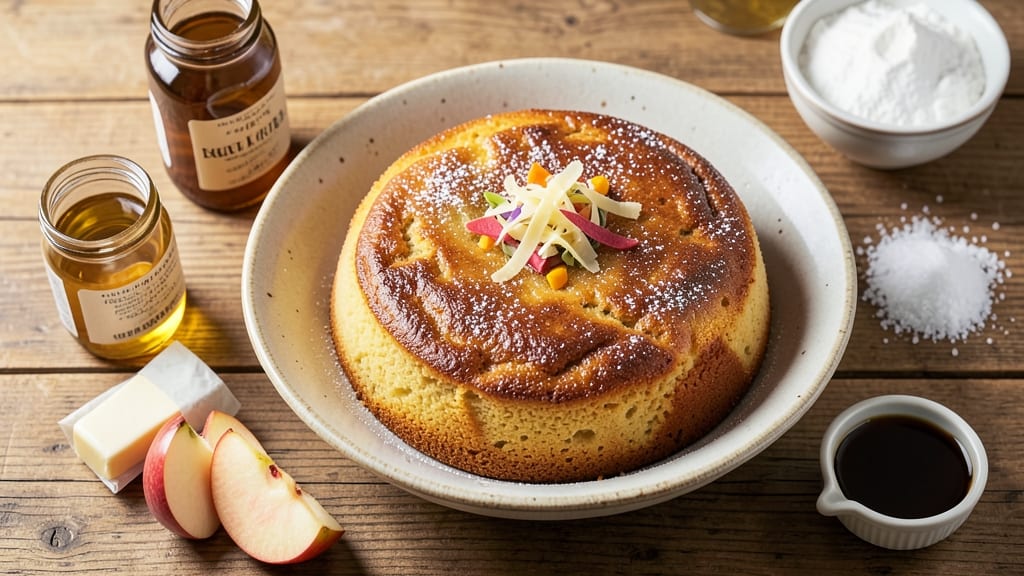
This apple cider vinegar cake recipe delivers a perfect balance of tangy brightness and rich buttery flavor that keeps every slice moist for days. The vinegar's secret role—tenderizing the gluten while adding subtle depth—transforms ordinary cake batter into something extraordinary.
I've baked this version countless times, and it never fails to impress with its golden crust and velvety crumb.
The beauty of this recipe lies in its simplicity: just 8 ingredients, one bowl, and 45 minutes of active time. Apple cider vinegar replaces buttermilk, creating that signature moist texture while adding a gentle apple tang that pairs beautifully with warm spices.
The buttery crust forms perfectly without needing extra work, making this the ideal cake for both beginners and seasoned bakers.
What you'll end up with is a cake that's rich yet light, with a tender crumb that stays moist even after cooling. The vinegar's acidity balances the sweetness, creating a flavor profile that's complex yet approachable.
Each slice offers that perfect combination of buttery richness and subtle apple brightness that makes this cake unforgettable.
Perfect for breakfast with coffee or as an afternoon treat with tea, this cake also doubles as a stunning dessert option. The recipe scales easily for gatherings, and the simple glaze or powdered sugar topping adds a professional finish without complicating the process. Let's get baking!
Ingredients for apple cider vinegar cake
Eight simple ingredients create this tangy, moist cake that stays fresh for days.
| Ingredient | Amount | Notes |
|---|---|---|
| All-Purpose Flour 🌾 | 2 ½ cups | Sifted for best texture |
| Granulated Sugar 🍚 | 1 ½ cups | White or light brown |
| Unsalted Butter 🧈 | 1 cup | Room temperature, full-fat |
| Apple Cider Vinegar 🍎 | ½ cup | Raw, unfiltered preferred |
| Large Eggs 🥚 | 2 whole | Room temperature |
| Vanilla Extract 🌸 | 1 tbsp | Pure, not imitation |
| Baking Powder 🧂 | 2 tsp | Aluminum-free preferred |
| Ground Cinnamon 🌿 | 1 tsp | Freshly ground for warmth |
The apple cider vinegar is the magic ingredient here—Bragg Organic or Texas Pete work perfectly. If you can't find unfiltered, regular ACV still delivers that signature tang. The butter needs to be room temperature (about 65°F), so take it out 30 minutes before mixing. For the flour, King Arthur or Gold Medal are my go-tos—they give that tender crumb. Freshly ground cinnamon makes all the difference, but if you only have the pre-ground stuff, it's still better than nothing. The baking powder? Diamond Crystal is my secret weapon for extra lift.
No apple cider vinegar? Lemon juice or white vinegar in a 1:1 swap will work, though the flavor won't be identical. Running short on butter? Coconut oil melted and cooled gives a similar texture, but the flavor's slightly different. Skip the vanilla? Vanilla bean paste adds specks of flavor magic, but pure extract is fine. For a deeper spice profile, add a pinch of nutmeg or cardamom. The sugar can be swapped for coconut sugar or brown sugar, though the cake's color will shift slightly. And if you're feeling fancy, add 1 tsp of lemon zest to the batter for extra brightness.
This cake keeps beautifully—5 days at room temperature wrapped in foil, or up to 2 weeks in the fridge. For longer storage, slice and freeze portions for 3 months. The glaze (powdered sugar + milk or cream) adds that professional touch—just whisk 1 cup powdered sugar with 2 tbsp milk until smooth. I always bake an extra batch because it disappears faster than expected. The crust stays crisp for the first day, then softens slightly—perfect for coffee cake or a tea-time treat.
Why You'll Love This Recipe
- No Mixer Needed: I swear by this trick—just whisk the dry ingredients, then fold in the vinegar and eggs until just combined. The butter stays cold, so no greasy mess, and the batter’s thick enough to handle like a pro. (Yes, even if your whisking arm is tired.)
- Tangy-Sweet Magic: That splash of apple cider vinegar isn’t just for science—it’s what makes this cake ridiculously good. The crumb stays moist without being dense, and the vinegar’s bright kick cuts through the sugar for a flavor that’s weirdly addictive. (Think cake, but with a little autumnal punch.)
- Breakfast or Dessert: Honestly, I make this for both. Toast a slice warm with butter and jam for a lazy weekend breakfast, or serve it chilled with whipped cream for a no-fuss dessert. The vinegar’s tang plays so well with sweet toppings—it’s like the cake’s secret handshake.
- Budget Baking Win: Flour, sugar, butter, eggs—these are pantry staples you already own. The vinegar? A single bottle lasts for months of cakes, dressings, and even marinades. Plus, this recipe stretches to feed four or six without breaking the bank. (My wallet thanks me every time.)
Step-by-step instructions for apple cider vinegar cake
Here's how to bake a cake that's impossibly moist with a buttery crust—no tricks, just perfect technique.
Whisk Dry Ingredients Together
In a medium bowl, combine the 2.5 cups all-purpose flour, 2 teaspoons baking powder, and 1 teaspoon ground cinnamon. Use a whisk to break up any flour clumps and ensure everything is evenly distributed. I like to sift the flour first for a lighter texture, but if you're short on time, whisking works just fine.
Set this bowl aside for now—we'll come back to it later. The key here is to avoid overmixing when we add the wet ingredients. This prevents tough cake layers and keeps our crumb tender. If you notice any lumps after whisking, that's okay; we'll work them out in the next step.
Cream Butter and Sugar Until Fluffy
In a large mixing bowl, beat the 1 cup unsalted butter and 1.5 cups granulated sugar together on medium speed using an electric mixer. Cream them for 3-4 minutes until the mixture is light and fluffy, with a pale golden color. You'll notice the butter and sugar nearly double in volume—this incorporates air, which creates that perfect rise and tender crumb.
I always check for readiness by scraping the sides of the bowl with a spatula. If the mixture leaves clean streaks and looks smooth, it's ready. If it still looks grainy, keep mixing for another minute. The butter should be completely smooth, with no visible lumps.
Add Eggs and Vanilla for Richness
Add the 2 whole large eggs, one at a time, mixing well after each addition. Then stir in the 1 tablespoon vanilla extract. The mixture will look slightly curdled at first, but don't worry—it will come together beautifully once we add the dry ingredients. This step adds richness and depth of flavor that balances the tangy apple cider vinegar.
I like to use room-temperature eggs for this recipe. They blend more smoothly and help create a lighter texture. If your eggs are straight from the fridge, let them sit at room temperature for 10-15 minutes before using. The same goes for the butter—it should be soft but not melted when you start.
Alternate Wet and Dry Ingredients
With the mixer on low speed, add one-third of the dry ingredients (about ⅔ cup flour mixture) to the wet ingredients. Mix just until combined, then add ⅓ cup of the apple cider vinegar. Repeat this process, alternating between dry ingredients and vinegar, ending with the last of the dry ingredients. This method creates a tender crumb and ensures even distribution of the tangy vinegar throughout the batter.
After adding all the ingredients, mix on low speed until just combined. You should still see some flour streaks in the batter—this is perfect. Overmixing develops gluten, which can make the cake tough. The batter should be thick but pourable, with a consistency similar to pancake batter.
Bake Until Golden and Springy
Preheat your oven to 350°F and grease an 8-inch round cake pan or line it with parchment paper. Pour the batter into the prepared pan and smooth the top with a spatula. Bake for 30-35 minutes, or until a toothpick inserted into the center comes out clean and the edges are golden brown.
I always tap the top of the cake gently before checking doneness—it should spring back slightly. If the top browns too quickly, tent the cake with aluminum foil after 20 minutes to prevent over-browning while the center finishes cooking. The cake is done when it's fully set and pulls away from the sides of the pan with ease.
Pro Tips For Making Apple Cider Vinegar Cake
- MEASURE VINEGAR PRECISELY: I learned this the hard way—using "about a tablespoon" of apple cider vinegar instead of the exact 1 tablespoon called for makes the cake dense and flat. The vinegar reacts with baking soda (if your recipe includes it) to create lift, so eyeballing it ruins the texture. Grab a proper measuring spoon—this isn’t the place to guess.
- CREAM BUTTER AND SUGAR LONG: Skip the rush and let that butter and sugar mix sit for 3-5 minutes after creaming. I used to dump everything in, mix, and move on, but that leads to a cake with a weird, gummy crumb. The longer you let it sit, the lighter the texture becomes—it’s worth the wait.
- DON’T OVERMIX THE BATTER: Once you fold in the dry ingredients, stop mixing the second everything is just combined. Overmixing develops the gluten in the flour, turning your tender cake into a chewy brick. Two or three gentle stirs with a spatula is all you need—your batter should have a few lumps, and that’s perfect.
- USE ROOM-TEMPERATURE EGGS: Cold eggs from the fridge will curdle when mixed with the butter, leaving you with a weird, lumpy batter. Take them out 30 minutes before baking, or even better, microwave them for 10 seconds to speed up the process. Your cake will thank you with a smoother texture.
Wine and beer pairings for this dish
Sweet Wine Pairings
This apple cider vinegar cake's subtle tang and buttery richness pairs beautifully with dry Riesling from Germany or Alsace. The wine's crisp acidity and honeyed apple notes mirror the cake's flavor profile while cutting through its richness.
I always reach for a 2019 Dr. Loosen Blue Slate Riesling—its mineral finish balances the cake's sweetness perfectly. 🍷
Spiced Beer Matches
For beer lovers, a Belgian-style witbier like Stella Artois or Hoegaarden works wonders. The coriander and citrus notes in these beers complement the cake's cinnamon warmth while the effervescence cleanses your palate between bites.
If you prefer something stronger, try a honey brown ale like Allagash Honey Farmer—its caramel sweetness enhances the cake's buttery crust.
Coffee Pairing Perfection
Skip the alcohol and serve with a medium-roast coffee brewed with cold-pressed French roast beans. The chocolatey notes in the coffee enhance the cake's caramel undertones, while the acidity in the coffee balances the vinegar's tang.
I like to add a splash of vanilla syrup to my coffee for an extra layer of harmony with the cake's vanilla extract. ☕
Seasonal Cider Harmony
For autumn gatherings, serve warm hard cider like Angry Orchard Crisp Apple or Woodchuck Hard Cider. The apple notes in the cider echo the cake's vinegar tang while the slight sweetness complements the cinnamon.
For a non-alcoholic option, Martinelli's Sparkling Apple Cider provides the same refreshing contrast without the buzz. 🍎
Dessert Wine Finish
If serving as dessert, try a late-harvest Chenin Blanc from the Loire Valley. The wine's honeyed apple and floral notes create a beautiful contrast with the cake's spiced richness.
I recommend Domaine des Baumard Quarts de Chaume—its texture and sweetness make it an ideal match for the cake's moist crumb. For a budget-friendly option, Château Ste. Michelle Late Harvest Riesling delivers similar results. 🍇
Nutrition facts
Frequently asked questions
Why does apple cider vinegar make cake so moist?
The vinegar reacts with baking soda (if used) or baking powder to create tiny air pockets while tenderizing the gluten in flour. This keeps the crumb light and prevents dryness. The acidity also helps balance sweetness, making each bite more flavorful. It's like a natural buttermilk substitute!
Can I substitute apple cider vinegar with regular white vinegar?
Yes, but the flavor will be slightly different. Use a 1:1 ratio of white vinegar, but expect less apple depth. For best results, stick with apple cider vinegar—its natural sweetness and complexity elevate the cake's taste. If you're short on time, lemon juice works too (same ratio).
How do I know when the cake is fully baked?
Insert a toothpick into the center—it should come out clean with no wet batter. The edges should pull away from the pan, and the top should be golden brown. Tap the cake gently: if it springs back, it's done. Overbaking can dry it out, so check at 28 minutes if your oven runs hot.
Can I make this cake gluten-free?
Replace the 2.5 cups all-purpose flour with a 1:1 gluten-free baking flour blend (like Bob's Red Mill). Add ½ teaspoon xanthan gum if your blend doesn't include it. The texture will be slightly denser, but still delicious. For extra moisture, reduce baking time by 2-3 minutes.
What's the best way to store leftovers?
Wrap the cake tightly in plastic wrap or foil to keep it fresh for 3-4 days at room temperature. For longer storage, slice and freeze portions for up to 3 months. Reheat slices in the microwave for 10-15 seconds to restore freshness. The glaze helps preserve moisture too!