
Desserts
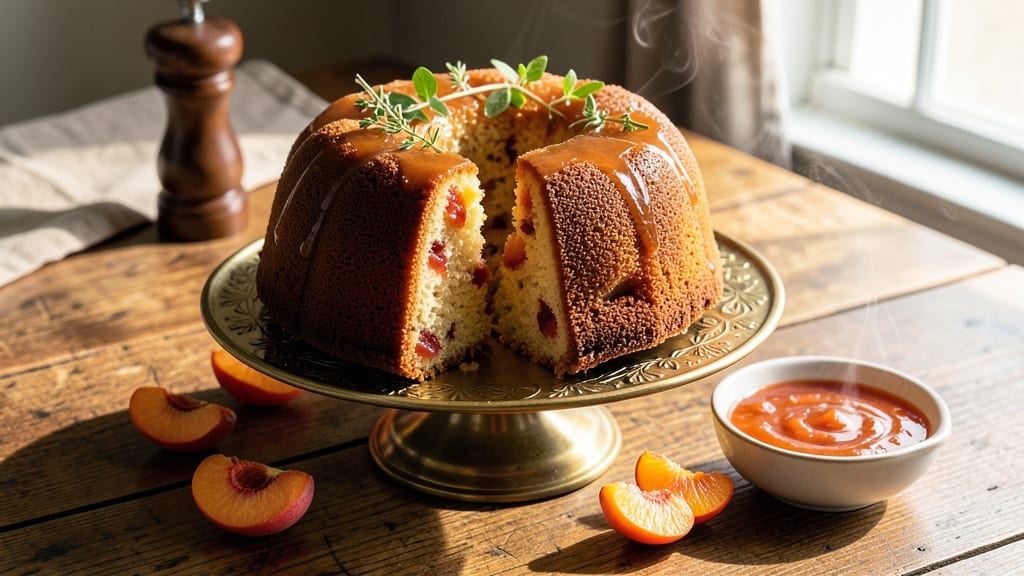
This apricot bundt cake recipe transforms a classic dessert into a showstopper with warm spices and a bright citrus glaze. The secret lies in balancing tender cake layers with bursts of jammy apricots—whether fresh, dried, or folded into the batter—while cinnamon and nutmeg deepen every bite.
I developed this version after years of perfecting moisture levels, ensuring no dry crumb or soggy center, just a golden, pull-apart texture that holds its shape even after slicing.
The baking process is straightforward but requires precision: a 350°F oven for 45-50 minutes, with a toothpick test to confirm doneness. The zesty glaze—made with powdered sugar, lemon juice, and a splash of vanilla—adds a tangy contrast that cuts through the richness.
What sets this apart is the optional caramel drizzle on top, which adds a luxurious finish without overpowering the apricot flavor. It’s the kind of cake that tastes even better the next day, when the spices mellow and the glaze sets into a glossy sheen.
This bundt cake is perfect for brunch gatherings, holiday desserts, or a special treat when you want something elegant but still approachable.
The warm spices—cinnamon, nutmeg, and a pinch of cardamom—create a cozy aroma that fills your kitchen, while the apricots add natural sweetness that reduces the need for excess sugar. Serve it with a dollop of whipped cream or a scoop of vanilla ice cream to balance the flavors.
Whether you use fresh apricots (peeled and diced) for a juicy texture or dried apricots (rehydrated) for concentrated sweetness, the result is a cake that feels indulgent yet balanced. The bundt pan’s distinctive shape makes it a stunning centerpiece, and the recipe scales easily for larger crowds. Ready to bake?
Ingredients for apricot bundt cake
Twelve ingredients, twelve layers of warm spice and fruity magic for your bundt pan.
| Ingredient | Amount | Notes |
|---|---|---|
| All-Purpose Flour 🌾 | 2 ½ cups | Sifted for even texture |
| Granulated Sugar 🍯 | 1 ½ cups | Light brown sugar for depth |
| Unsalted Butter 🧈 | 1 cup | Cold, cubed for creaming |
| Large Eggs 🥚 | 3 whole | Room temperature for blending |
| Vanilla Extract 🌿 | 2 tsp | Pure Madagascar preferred |
| Fresh Apricots 🍑 | 1 ½ cups | Peeled, diced, pitted |
| Dried Apricots 🍑 | ½ cup | Chopped, rehydrated in warm water |
| Ground Cinnamon 🌶️ | 2 tsp | Freshly ground for warmth |
| Ground Nutmeg 🌶️ | ½ tsp | Freshly grated preferred |
| Cardamom Powder 🌿 | ¼ tsp | Ground from pods |
| Baking Powder 🧂 | 2 tsp | Freshly opened |
| Salt 🧂 | ½ tsp | Fine sea salt |
| Powdered Sugar 🍯 | 2 cups | For glaze, sifted |
| Fresh Lemon Juice 🍋 | 2 tbsp | From organic lemons |
| Vanilla Bean Paste 🌿 | 1 tsp | Optional for extra flavor |
| Heavy Whipping Cream 🥛 | ½ cup | Chilled for caramel drizzle |
| Store-Bought Caramel Sauce 🍯 | ½ cup | Optional for drizzle |
The apricots are the star here—fresh for juicy bursts or dried for concentrated sweetness, but never pre-packaged. Trader Joe's has the best organic fresh apricots in summer, while Costco sells bulk dried apricots that stay fresh for months. For the spices, Penzeys or bulk bins at natural markets are your best bet—freshly ground cinnamon and nutmeg make all the difference. The butter? Plugrá or Land O'Lakes work, but if you can find European-style butter, it’s worth the splurge for that rich flavor. Cardamom is the secret weapon—it’s non-negotiable for that cozy aroma, so don’t skip it.
No fresh apricots? Dried work perfectly—just rehydrate them in warm water for 10 minutes to soften. Short on vanilla extract? Vanilla bean paste (like Madagascar Bourbon) adds depth without extra cost. The glaze calls for fresh lemon juice—bottled won’t cut it—so grab a few extra lemons if you’re making this ahead. For the caramel drizzle, store-bought works (like Smucker’s or Trader Joe’s), but homemade is easier than you think—just melt sugar with a splash of cream. And if you’re feeling fancy, add a pinch of flaky salt on top before serving.
This cake keeps beautifully for 3-4 days in an airtight container at room temperature, but it’s best served fresh. If you’re making it ahead, wrap the bundt pan tightly in plastic and store it in the fridge—bring to room temp before serving. The glaze sets into a glossy sheen overnight, so if you’re prepping for a brunch, assemble it the night before. And trust me, leftovers are rare—this cake disappears fast, especially with a scoop of vanilla ice cream on the side.
Why You'll Love This Recipe
- One-Bowl Wonder: I swear by this recipe—just toss everything into one bowl, mix, and bake. No fancy techniques, no measuring cups left behind. The butter and sugar creaming happens right in the same bowl where the dry ingredients go, and honestly? It’s the kind of recipe that makes me feel like I’ve earned my dessert without the mess.
- Apricot Magic: That jam swirled into the batter? It’s where this cake gets its soul. The tangy-sweet apricot cuts through the richness of the butter and vanilla, while the warm spices (if you add them) make every bite feel like a hug. Between us, I’ve never met a Bundt cake that balances sweet and tart this well—it’s dangerously addictive.
- Weekend or Weeknight: This cake is my go-to for brunch with friends or a lazy Sunday afternoon. Slice it fresh for guests, or save half for later—it keeps beautifully for days. Pro tip: The leftovers reheated with a drizzle of honey? Absolute perfection. (Yes, even on a Tuesday night.)
- Budget-Friendly Luxury: You’d never guess how affordable this is—just flour, sugar, butter, and eggs, with a splash of vanilla. The apricot jam (or fresh fruit) adds that special touch without breaking the bank. I’ve made this for potlucks, showers, and just-because treats, and no one ever questions why it’s on the menu. It’s my secret weapon.
Step-by-step instructions for apricot bundt cake
Here's how to craft a moist, fragrant apricot bundt cake with a glossy citrus glaze—every step designed for perfect texture and flavor.
Prepare the Apricot Filling and Preheat the Oven
In a small saucepan, combine the 1.5 cups fresh apricots and 0.5 cup dried apricots. Add ¼ cup water and simmer over medium heat for 5 minutes until the apricots soften and release juices. Let cool completely before using—this prevents a soggy cake. Meanwhile, preheat your oven to 350°F and generously grease a 10-12 cup bundt pan with butter, then dust with flour. Tap out any excess to ensure easy release later.
The dried apricots need rehydration first. If they feel dry to the touch, soak them in warm water for 10 minutes before combining with fresh apricots. This step guarantees a balanced moisture level in your filling. I like to mash the cooled apricot mixture slightly with a fork to create a chunky yet spreadable texture—this adds visual appeal and prevents the filling from pooling at the bottom.
Cream Butter and Sugar for Light Texture
In a stand mixer fitted with the paddle attachment, beat the 1 cup cold unsalted butter and 1.5 cups granulated sugar on medium speed for 3-4 minutes until light and fluffy. You're aiming for a color change from pale yellow to a lighter shade—this incorporates air that will create a tender crumb. Scrape down the sides of the bowl with a spatula to ensure even mixing.
Cold butter is crucial here. If it melts during creaming, you'll end up with a dense cake. I press the butter into a block before cubing it to maintain its shape. Once the butter reaches the perfect consistency, it should leave slight indentations when pressed with your finger. This step sets the foundation for a cake that's moist yet airy—not heavy or greasy.
Combine Wet Ingredients and Fold in Apricots
Add the 3 whole large eggs one at a time, mixing on low speed after each addition until fully incorporated. Then stir in the 2 tsp vanilla extract and 1 tsp vanilla bean paste (if using). In a separate bowl, whisk together the 2.5 cups all-purpose flour, 2 tsp baking powder, 0.5 tsp salt, 2 tsp ground cinnamon, 0.5 tsp ground nutmeg, and 0.25 tsp cardamom powder. Gradually add the dry ingredients to the wet mixture on low speed, mixing just until combined—you should still see small flour streaks.
Remove the bowl from the mixer and gently fold in the cooled apricot mixture using a rubber spatula. Be careful not to overmix; a few lumps are fine. The cardamom and nutmeg add depth that complements the apricot's natural sweetness. Here's the thing—if your batter looks too thick, let it rest for 10 minutes before proceeding. This allows the flour to fully hydrate, resulting in a cake that's tender rather than dense.
Bake and Test for Doneness
Pour the batter into the prepared bundt pan and smooth the top with a spatula. Bake for 50-60 minutes or until a toothpick inserted into the center comes out clean. The cake should spring back slightly when pressed gently in the center. If the top browns too quickly, tent loosely with aluminum foil after 30 minutes to prevent over-browning while allowing the center to cook through.
I always check for doneness at the 50-minute mark—your oven might run hot, so start testing early. The cake should have a golden hue with a slightly domed top. Let it cool in the pan for 15 minutes before transferring to a wire rack to cool completely. This gradual cooling prevents cracking and helps the cake set properly for slicing.
Prepare the Glaze and Assemble
In a medium bowl, whisk together the 2 cups powdered sugar, 2 tbsp fresh lemon juice, and 0.5 cup heavy whipping cream until smooth and glossy. Thin with 1-2 teaspoons water if needed to achieve a drizzling consistency. Once the cake has cooled completely, drizzle the glaze evenly over the top, letting it cascade down the sides. For extra flair, add the 0.5 cup store-bought caramel sauce as a drizzle or swirl before the glaze sets.
The lemon juice brightens the sweetness of the cake and balances the warm spices. If you're feeling fancy, pipe the glaze in decorative patterns using a star tip. Let the glaze set for 10 minutes before slicing—this ensures clean cuts and prevents a sticky mess. Serve warm for the best experience, with a dollop of whipped cream or a scoop of vanilla ice cream to complement the apricot flavors.
Pro Tips For Making Apricot Bundt Cake
- Whisk Eggs Cold: Pull eggs straight from the fridge and whisk them until they’re frothy but still cool—this keeps the butter from seizing up when you mix it in. I used to let them sit out, and the batter would curdle every time. Trust me, cold eggs are your friend here.
- Sift the Flour Twice: Don’t just dump the flour in—sift it twice (once before mixing, once after adding dry ingredients) to avoid dense pockets. Apricot cake relies on a tender crumb, and unsifted flour is the sneaky culprit behind a brick-like texture. Yes, it’s extra work, but your cake will thank you.
- Don’t Overmix the Batter: Mix just until the flour disappears—maybe 10-12 strokes max. I’ve seen people beat this like a pancake batter, and it turns out gummy. The moment the flour is mostly incorporated, stop. Your bundt cake’s rise depends on it.
- Grease the Pan Like a Pro: Use a mix of melted butter and flour (or apricot jam for extra flavor) to coat the bundt pan—don’t skip the flour dusting. I learned this after my first cake stuck like glue. Brush, dust, then repeat the butter brush. It’ll release cleanly, every time.
Regional styles of this apricot bundt cake
Southern Comfort Style
In the South, apricot bundt cakes often get a deep, spiced twist with pecans and a bourbon-infused glaze.
I like to fold ½ cup toasted pecans into the batter for crunch, then drizzle with a glaze made by simmering ½ cup bourbon (like Maker’s Mark) with 1 cup powdered sugar until thickened. This version feels extra indulgent and pairs perfectly with sweet tea or coffee. 🍹
French Provincial Twist
French bakers often elevate apricot cakes with almond flour and a frangipane layer. Replace ½ cup all-purpose flour with ½ cup almond flour for nutty depth, then add a thin layer of frangipane (almond cream) before baking.
Top with sliced almonds and finish with a raspberry coulis instead of caramel. The result is a sophisticated yet approachable dessert that feels like a Parisian café treat. 🥖
Italian Dolce Version
For an Italian-inspired take, swap the vanilla for 1 tbsp amaretto and fold in ¼ cup chopped candied citrus peel (like orange or lemon). Dust the cooled cake with powdered sugar and top with espresso-infused whipped cream for a mocha twist.
This version is lighter on sugar but packed with bright, citrusy notes that feel like a holiday dessert year-round. ☕
German Spiced Adaptation
German bakers often use rum-soaked dried apricots and a gingersnap crumble on top. Soak the ½ cup dried apricots in ¼ cup dark rum overnight, then drain before using. After baking, sprinkle the cake with crushed gingersnaps and a dusting of powdered sugar.
Serve with a side of vanilla custard for a cozy, spiced dessert that feels like a Christmas market treat. 🎄
Modern Minimalist Style
For a sleek, contemporary version, skip the glaze entirely and focus on clean flavors. Use only fresh apricots (no dried) and reduce the sugar to 1 cup granulated.
Top with edible flowers or a drizzle of honey for a restaurant-worthy finish. This version is perfect for brunch gatherings where you want elegant but approachable flavors. 🌸
Nutrition facts
Frequently asked questions
Can I substitute dried apricots for fresh in this recipe?
Use 0.5 cup dried apricots (rehydrated in warm water for 10 minutes) for every 1 cup fresh apricots. Dried apricots add concentrated sweetness, so you may want to reduce the granulated sugar by 1-2 tablespoons to balance flavors. Just be sure to drain them well before mixing into the batter to avoid a soggy cake.
Why does my bundt cake stick to the pan?
This usually happens if the pan isn't properly greased or the batter is too dry. Always use butter + flour (or baking spray) and tap out excess. For extra insurance, dust with cornstarch after greasing. Let the cake cool in the pan for 15 minutes before removing—rushing causes it to crack and stick.
How do I make this cake ahead of time?
Bake the cake up to 2 days in advance and store it in an airtight container at room temperature. Assemble the glaze just before serving—it sets best fresh. For longer storage (up to 1 week), wrap the baked (unglazed) cake tightly and refrigerate. Bring to room temp before glazing and serving.
Can I use this recipe for a gluten-free version?
Yes! Replace the all-purpose flour with a 1:1 gluten-free baking flour blend (like Bob's Red Mill) and add ½ tsp xanthan gum if not included. You may need to reduce the liquid slightly (1-2 tbsp less cream) since gluten-free flours absorb differently. Test with a toothpick at 45 minutes—gluten-free cakes often bake faster.
What's the best way to serve leftover apricot bundt cake?
Slice and toast leftover pieces in the oven at 300°F for 5-7 minutes to revive the texture. Pair with warm spiced tea, vanilla ice cream, or a dollop of whipped cream. For a creative twist, layer cake crumbs with Greek yogurt and a drizzle of honey for a parfait-style dessert.