
Desserts
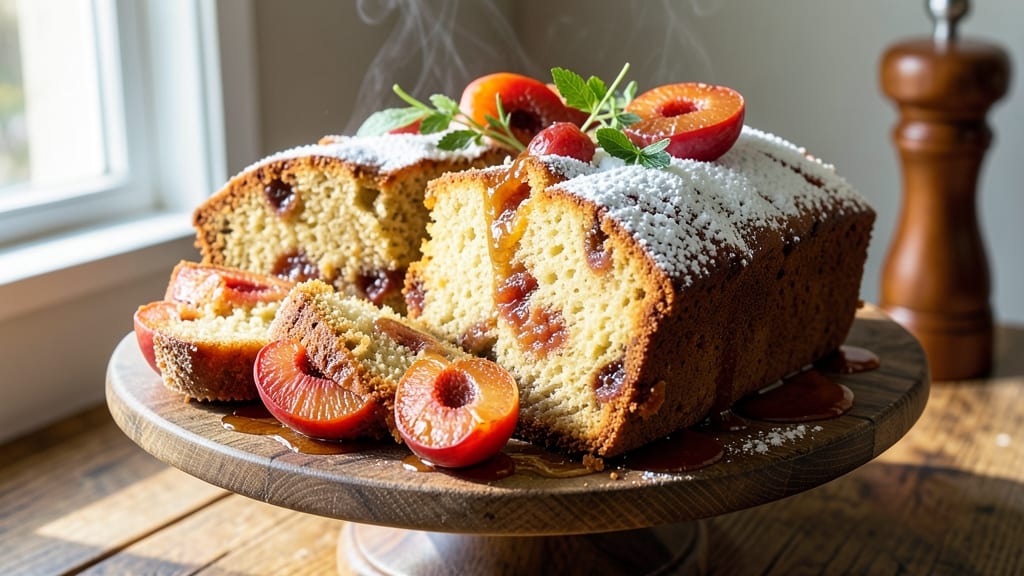
This apricot loaf cake delivers the perfect balance of tender crumb and juicy fruit swirls, with a citrus glaze that brightens every bite. 🌟 The secret lies in layering moist vanilla cake batter with sweet apricot jam, creating pockets of fruity surprise in every slice.
I've baked this recipe countless times for gatherings, and it never fails to impress—whether served warm with tea or at room temperature for a sophisticated dessert.
The cake's magic comes from a simple yet effective technique: mixing the batter just until combined, then folding in apricot jam for those signature swirls. Baking at the right temperature ensures a golden crust while keeping the interior tender and moist.
The citrus glaze not only adds a pop of color but also enhances the natural sweetness of the apricots, making each slice feel like a little taste of sunshine. What sets this recipe apart is its foolproof method for achieving that perfect texture—no dense, dry crumbs here.
The cake stays moist for days, making it ideal for meal prep or gifting. The apricot swirls are rich and flavorful, while the citrus glaze adds a refreshing contrast that keeps every bite exciting.
Serve this loaf cake with a dollop of whipped cream or a scoop of vanilla ice cream for the ultimate dessert experience. Here’s how to make it!
Ingredients for apricot loaf cake
Twelve simple ingredients transform into a showstopping apricot loaf cake with citrus swirls.
| Ingredient | Amount | Notes |
|---|---|---|
| All-Purpose Flour 🌾 | 2 ½ cups | Sifted for light texture |
| Granulated Sugar 🍚 | 1 ½ cups | White or light brown |
| Unsalted Butter 🧈 | 1 cup | Room temperature, full-fat |
| Large Eggs 🥚 | 2 whole | Room temperature, beaten |
| Vanilla Extract 🌸 | 2 tsp | Pure vanilla preferred |
| Baking Powder 🧪 | 2 tsp | Aluminum-free preferred |
| Salt 🧂 | ½ tsp | Fine sea salt |
| Apricot Jam 🍑 | 1 cup | Seeds removed, unsweetened |
| Milk 🥛 | ½ cup | Whole milk for richness |
| Lemon Zest 🍋 | 2 tbsp | Freshly grated |
| Powdered Sugar 🍚 | 1 cup | For glaze |
| Lemon Juice 🍋 | 2 tbsp | Freshly squeezed |
| Heavy Cream 🥛 | ¼ cup | For glaze |
The apricot jam makes all the difference—look for unsweetened varieties at Whole Foods or Trader Joe's for the best flavor. Wegmans often carries a great brand too. If you can't find unsweetened, reduce the sugar in the cake slightly. For the butter, Land O'Lakes or Plugrá are my go-tos—they're reliable and rich. Room temperature butter is key here; it mixes better and creates a lighter crumb. The vanilla extract should be pure—Nielsen-Massey is my favorite, but any good brand works. Fresh lemon zest is worth the squeeze—it brightens the whole cake.
No apricot jam? Peach or plum jam works in a pinch, but adjust the sugar in the cake down by a tablespoon. Short on powdered sugar for the glaze? Granulated sugar blended into a powder in a food processor does the trick. The milk can be swapped for almond or oat milk if you prefer dairy-free, but the texture might be slightly denser. For extra moisture, add 1 tbsp sour cream to the batter. And if you're feeling fancy, swap the vanilla for almond extract—it adds a lovely depth. The lemon zest can be dried and stored for future recipes if you have extra.
This cake keeps beautifully—3-4 days at room temperature wrapped in plastic, or 1 week in the fridge. For longer storage, freeze slices individually wrapped for up to 3 months. The glaze sets quickly, so assemble the cake right before serving. I like to brush the warm cake with a bit of apricot jam before adding the glaze—it makes every bite even more flavorful. Perfect for meal prep, gifting, or just enjoying with a cup of tea.
Why You'll Love This Recipe
- No Mixer Needed: I swear by this recipe when my mixer’s on the fritz—just creaming butter and sugar by hand gives that tender crumb. The eggs and vanilla do all the work after that, so you’re basically mixing while watching your favorite show.
- Apricot Magic: That jam swirled into the batter? It’s not just sweet—it’s bursting. The butter and sugar base keeps it moist, while the apricot flavor cuts through like a bright, fruity hug. Honestly, I’ve never met a loaf cake that balances richness and freshness this well.
- Office Picnic Ready: Slice it up, wrap it in foil, and toss it in your bag—this cake holds its shape and stays fresh for days. Perfect for bringing to work or packing in kids’ lunches (my son’s teacher actually asked for the recipe after he raved about it).
- Budget-Friendly Luxury: You’re using pantry staples here—flour, sugar, butter—so it’s cheap to make but tastes like you spent hours. A single batch feeds six, and leftovers? They disappear faster than I can say “second slice.”
Step-by-step instructions for apricot loaf cake
Here's how to create a perfectly moist apricot loaf cake with vibrant citrus swirls that'll impress everyone.
👨🍳 Step 1: Prepare the Jam and Prep Ingredients
Start by spooning the 1 cup apricot jam into a small microwave-safe bowl. Microwave it for 20-30 seconds until it's warm and spreadable—just enough to make it easier to swirl into the batter. While it's heating, measure out all your dry ingredients: 2.5 cups all-purpose flour, 2 tsp baking powder, and 0.5 tsp salt. Sift them together into a medium bowl to remove any lumps and create a light, airy base.
In a separate small bowl, whisk together the 2 tbsp lemon zest and 2 tbsp lemon juice. This bright citrus mixture will infuse every bite with zesty freshness. Keep this mixture handy—you'll add it to the batter later. The key here is to work efficiently so your ingredients stay at room temperature, which ensures a perfectly even texture in your cake.
🍳 Step 2: Cream Butter and Sugar for Maximum Moisture
In a large mixing bowl, combine the 1 cup unsalted butter (at room temperature) with the 1.5 cups granulated sugar. Using an electric mixer on medium-high speed, beat them together for 3-4 minutes until the mixture is light, fluffy, and nearly doubled in volume. You're looking for a pale, ribbon-like consistency that leaves clean streaks when the beaters are lifted.
This creaming process is what makes your cake so moist—it incorporates air into the butter and sugar, creating a light, tender crumb. If your butter isn't soft enough, it'll create dense pockets instead of that perfect airy texture. I press down gently on the butter mixture with my finger—if it springs back without leaving a dent, it's ready. Add the 2 tsp vanilla extract now and mix for another 30 seconds to fully incorporate.
🥘 Step 3: Combine Wet Ingredients and Fold in Dry Components
Add the 2 whole large eggs one at a time to the butter mixture, mixing on low speed after each addition until fully combined. Then pour in the 0.5 cup milk and mix until smooth. Now it's time for the citrus boost—add the lemon zest and juice mixture you prepared earlier and mix for another 30 seconds to distribute that bright flavor throughout.
With the mixer on low speed, gradually add the sifted dry ingredients to the wet mixture. Mix just until combined—you should still see some flour streaks, which means you haven't overdeveloped the gluten. Overmixing here will make your cake tough instead of tender. Once combined, gently fold in the warmed apricot jam using a spatula, being careful not to deflate the batter too much.
⏰ Step 4: Swirl and Bake to Golden Perfection
Preheat your oven to 350°F and grease a 9x5-inch loaf pan thoroughly with butter or baking spray. Pour about half of the batter into the prepared pan. Using a spoon or offset spatula, create swirls by dragging the batter through the center toward the edges. This creates those beautiful apricot patterns that make this cake so special.
Spoon the remaining batter over the swirls and gently tap the pan on the counter a few times to release any air bubbles. Bake for 50-60 minutes or until a toothpick inserted in the center comes out clean and the top is golden brown. The cake should spring back slightly when touched—this is your perfect doneness signal. If the top browns too quickly, tent the pan with aluminum foil after 30 minutes to prevent over-browning.
🍽️ Step 5: Glaze and Serve Warm
While the cake is still warm (but completely cooled), prepare the glaze by whisking together the 1 cup powdered sugar, 0.25 cup heavy cream, and a pinch of salt in a small bowl. Add 1-2 tbsp lemon juice as needed to achieve a smooth, pourable consistency—it should coat the back of a spoon but still be drizzable. Pour this glaze evenly over the top of the cooled cake and let it set for 10-15 minutes before slicing.
The glaze adds that perfect balance of sweetness and acidity that complements the apricot and citrus flavors. For best results, serve the cake warm or at room temperature. The moist crumb and vibrant swirls will make every slice feel like a special treat. Store any leftovers covered at room temperature for up to 3 days, though I doubt they'll last that long!
Pro Tips For Making Apricot Loaf Cake
- Cream Butter Properly: I learned this the hard way—softened butter mixed with sugar should take 3-5 minutes with a hand mixer (or 2 minutes with a stand mixer) until it’s light and fluffy, not just combined. If it looks like wet sand, you’re rushing it. The air in that butter is what keeps your loaf tender, not dense.
- Measure Flour Right: Spoon flour into your measuring cup, then level it with a knife—don’t scoop directly from the bag. Packing it down (even a little) makes your cake gummy, and this recipe relies on that perfect balance of structure and moisture. Trust me, your scale won’t lie, but neither will this old-school method.
- Don’t Overmix the Batter: Once the flour hits the butter-sugar mix, combine just until no dry streaks remain—maybe 10-12 strokes with a spatula. Overmixing develops gluten, and your apricot loaf will turn out tough instead of soft. I used to ignore this and wondered why my cake felt like a hockey puck.
- Bake Until Golden: Check your loaf at 30 minutes—it should be just set in the middle but still slightly springy to the touch. If the top browns too fast, tent it with foil. A toothpick test is fine, but don’t rely on it alone; underbaking leaves a gummy center, and overbaking dries out the apricot flavor. Aim for 325°F until the edges pull away cleanly.
Wine and beer pairings for apricot loaf cake
Citrus-Forward Wines
For this apricot loaf cake, I reach for dry sparkling wines like Prosecco or Cava—their bright acidity mirrors the lemon zest perfectly. The bubbles also cleanse your palate between bites of the rich, fruity cake.
A Moscato d'Asti adds a touch of sweetness that complements the apricot swirls beautifully. 🍷
If you prefer still wines, a Sauvignon Blanc from New Zealand or Loire Valley showcases grapefruit and citrus notes that harmonize with the cake's zesty glaze. Look for one with 12-13% ABV—not too heavy, but with enough body to stand up to the cake's richness.
Lighter Red Options
For those who prefer red, a Pinot Noir with bright acidity works surprisingly well. I love a Willamette Valley or Burgundy Pinot—both offer red fruit flavors that don't overpower the apricot. The 11-12% ABV range keeps it light enough to pair without competing.
Avoid heavy reds like Cabernet Sauvignon or Syrah—they'll clash with the cake's delicate citrus and fruit notes. Instead, opt for Gamay from Beaujolais, which has juicy raspberry flavors that complement the apricot without overpowering.
Beer Pairings
For beer lovers, a Belgian Witbier like Hoegaarden or Stella Artois is my go-to—its coriander and citrus notes enhance the cake's lemon glaze. The slight sweetness in these beers balances the tartness beautifully. 🍺
If you prefer darker beers, try a honey brown ale from a craft brewery. The caramel malt notes complement the apricot swirls while the light body keeps it refreshing. Avoid heavy stouts or IPAs—they'll dominate the cake's delicate flavors.
Non-Alcoholic Options
For a refreshing non-alcoholic pairing, try sparkling grapefruit soda—the bitterness cuts through the cake's sweetness while enhancing the citrus flavors. I like Jarritos or Fever-Tree for their bright, natural taste.
Another great option is hibiscus iced tea—its tart, cranberry-like notes create a beautiful contrast with the apricot and vanilla. Serve it chilled over ice for the perfect summer dessert accompaniment.
Nutrition facts
Frequently asked questions
Can I substitute apricot jam with another fruit preserve?
Yes, but choose wisely! Peach or plum jam works best as a 1:1 swap, though you may reduce the cake's sugar by 1 tablespoon since these preserves are often sweeter. Avoid overly tart preserves like cranberry—they'll overpower the delicate vanilla flavor. For a tropical twist, try mango or passionfruit jam, but increase the lemon juice to 3 tablespoons to balance the sweetness.
Why did my apricot loaf cake turn out dense instead of light?
Overmixing the batter is the #1 culprit! Stop folding in dry ingredients as soon as they're just combined—you should still see flour streaks. Another common mistake is using cold butter or eggs. Both should be at room temperature (about 70°F). Also, check your baking powder—old leavening loses potency and can't create proper lift. For extra moisture, add 1 tablespoon sour cream to the batter next time.
How can I make this cake gluten-free?
Replace the all-purpose flour with a 1:1 gluten-free baking flour blend (like Bob's Red Mill or King Arthur). Add ½ teaspoon xanthan gum to help bind the crumb. For the glaze, use a gluten-free powdered sugar substitute. The texture will be slightly denser, so reduce baking time by 5-7 minutes and check for doneness early. A toothpick should come out with a few moist crumbs, not wet batter.
Can I bake this cake in a different pan shape?
For a 9x9-inch square pan, reduce baking time to 40-45 minutes—the cake will bake faster. For a 8-inch round pan, bake for 45-50 minutes. The swirl technique works best in rectangular pans, but you can create a marbled effect by gently swirling the jam through the batter before pouring. Line the pan with parchment paper for easy removal, especially with different shapes.
What's the best way to store leftovers?
Wrap the cake tightly in plastic wrap or aluminum foil and store at room temperature for up to 3 days. For longer storage, slice the cake and freeze individual portions in airtight containers for up to 3 months. To reheat frozen slices, warm in the microwave for 10-15 seconds or at 300°F for 5-7 minutes. The texture stays moist, but the glaze may soften slightly—re-glaze before serving if needed.