
Desserts
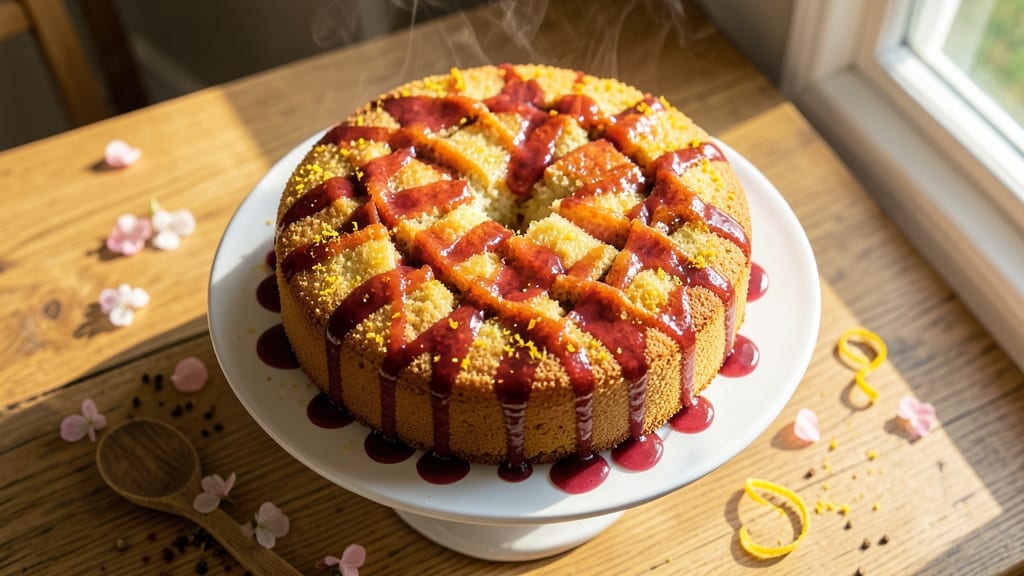
This apricot nectar pound cake delivers the perfect balance of velvety moisture and bright citrus notes—every slice stays tender for days. The apricot nectar isn't just flavor; it transforms the cake into something lighter than traditional pound cakes while adding a subtle floral sweetness that lingers. I developed this recipe after years of baking, refining the technique to ensure consistent results without dense crumbs or dryness.
The secret lies in the combination of apricot nectar and citrus zest, which infuse the batter with natural moisture and aroma while preventing the cake from becoming overly sweet. This recipe uses a simple one-bowl method with basic pantry staples, making it accessible for home bakers while delivering restaurant-quality texture.
The cake bakes to a golden, slightly domed top with a fine crumb that melts in your mouth.
What makes this version truly special is how the flavors evolve—the apricot nectar adds depth, while the citrus zest keeps it fresh and vibrant. Serve it warm with a drizzle of caramelized apricot glaze or chilled with whipped cream and fresh berries.
The cake's natural sweetness makes it perfect for celebrations or a simple dessert moment.
For extra indulgence, brush the warm cake with additional apricot nectar before serving—this creates a glossy finish and intensifies the fruit flavors. The recipe scales easily for gatherings, and leftovers stay moist for up to five days when stored properly.
Let's get started on creating this crowd-pleasing dessert that's as beautiful as it is delicious.
Ingredients for apricot nectar pound cake
Basic pantry staples meet apricot nectar and citrus zest for a cake that stays moist for days.
| Ingredient | Amount | Notes |
|---|---|---|
| All-Purpose Flour 🌾 | 4 cups | Sifted for even texture |
| Granulated Sugar 🍚 | 2 ½ cups | Superfine preferred for smoothness |
| Apricot Nectar 🍑 | 1 cup | High-quality, unsweetened |
| Unsalted Butter 🧈 | 1 ½ cups | Room temperature, full-fat |
| Large Eggs 🥚 | 4 whole | Room temperature for blending |
| Orange Zest 🍊 | 1 tbsp | Freshly grated, bright flavor |
| Lemon Zest 🍋 | 1 tbsp | Freshly grated, vibrant |
| Vanilla Extract 🌸 | 2 tsp | Pure, high-quality extract |
| Baking Powder 🧂 | 2 tsp | Freshly measured |
| Salt 🧂 | ½ tsp | Fine sea salt |
| Milk 🥛 | 1 cup | Whole milk preferred |
| Apricot Jam 🍓 | ¼ cup | For filling, optional |
The apricot nectar is the star here—look for high-quality, unsweetened at specialty stores or well-stocked grocery sections. Trader Joe's and Whole Foods carry excellent options, but even the regular supermarket aisle will have a decent version. Fresh citrus zest is non-negotiable for that bright, vibrant flavor; don't use dried or bottled zest. For the butter, room temperature is critical—it should be soft but not melted. If it's too cold, microwave it for 20 seconds to just soften, then let it sit for another minute. The flour should be sifted to avoid dense crumbs, and King Arthur or Gold Medal brands are my go-tos for consistent results.
No apricot nectar? Mango nectar or peach nectar works in a pinch, though the flavor will differ slightly. For zest, if you're short on lemons, lime zest at half the amount adds a nice tang. The jam filling is optional but adds a lovely surprise—Smash or Bonne Maman brands are perfect for this. If you skip it, brush the warm cake with extra apricot nectar for a glossy finish. The vanilla extract should be pure; imitation extracts won't deliver the same depth of flavor. For the milk, whole milk adds richness, but 2% works fine if that's what you have. The baking powder must be fresh—if it's over a year old, toss it and buy a new can.
This cake stays moist for 5 days when wrapped tightly in plastic at room temperature, but it's even better the next day. For longer storage, freeze slices individually wrapped for up to 3 months. The apricot nectar and citrus zest can be prepped ahead—store them in airtight containers in the fridge for up to 1 week. If you're making this for a gathering, bake the cake a day ahead and store it covered at room temperature. The flavors meld beautifully overnight, making every slice even more delicious.
Why You'll Love This Recipe
- No Mixer Needed: I swear by this recipe when I forget to pull out the stand mixer—just creaming butter and sugar by hand gives that perfect, light crumb. The apricot nectar does half the work by keeping things moist without extra fuss.
- Sunshine in a Slice: That caramelized apricot flavor? It’s like summer in every bite, buttery and sweet without being cloying. The nectar’s natural depth makes it taste homemade, even if I’m cheating with pantry staples.
- Brunch to Dessert: Serve it warm with a dusting of powdered sugar for a lazy weekend brunch, or cut into squares for a no-fuss office dessert. My coworkers still ask for seconds—proof it works anywhere.
- Leftovers That Shine: This cake actually improves the next day—drier edges, richer flavor. I make two loaves on Sunday, slice one for snacks, and freeze the other. Thawed slices taste just as good as day one.
Step-by-step instructions for apricot nectar pound cake
This method delivers a perfectly moist pound cake with vibrant citrus notes and apricot depth.
Prepare the Cake Batter
Preheat your oven to 350°F and grease two 9-inch round cake pans, then line the bottoms with parchment paper. In a large mixing bowl, combine the 4 cups all-purpose flour, 2.5 cups granulated sugar, 2 tsp baking powder, and 0.5 tsp salt. Whisk gently to ensure even distribution of dry ingredients.
In a separate bowl, cream together the 1.5 cups unsalted butter (at room temperature) and the 1 cup apricot nectar until light and fluffy—this should take about 3-4 minutes with an electric mixer. Add the 4 whole large eggs, one at a time, mixing well after each addition. Incorporate the 1 tbsp orange zest, 1 tbsp lemon zest, and 2 tsp vanilla extract for that bright citrus flavor.
Combine Wet and Dry Ingredients
Gradually add the dry ingredient mixture to the wet ingredients, alternating with the 1 cup milk in three parts. Begin and end with the flour mixture to ensure everything is properly combined. Mix on low speed until just incorporated—overmixing can lead to a dense cake. The batter should be smooth and slightly thick, like a well-behaved cake batter should be.
Here's the thing—this batter needs to be at room temperature when it goes into the oven. If your kitchen is cool, let it sit for 15-20 minutes before proceeding. This ensures even baking and prevents a dense crumb.
Fill the Pans and Bake
Divide the batter evenly between the two prepared cake pans, filling them about two-thirds full. For extra moisture, spread 0.125 cup apricot jam (half of the total amount) over each layer of batter. This step is optional but adds a delicious fruity layer that enhances the cake's natural sweetness.
Bake in the preheated oven for 50-55 minutes, or until a toothpick inserted into the center comes out clean. The cake should spring back slightly when pressed gently in the center—this is your visual cue that it's done. Rotate the pans halfway through baking for even browning.
Cool and Finish
Remove the cakes from the oven and let them cool in the pans for 10 minutes. Then transfer them to a wire rack to cool completely. This cooling period is crucial—it allows the cake to set properly and prevents it from becoming gummy.
Once fully cooled, you can slice and serve the cake as is, or for an extra touch, spread the remaining 0.125 cup apricot jam between two layers if you prefer a filled cake. The natural sweetness of the apricot nectar and jam pairs beautifully with the citrus zest, creating a harmonious balance of flavors.
Pro Tips For Making Apricot Nectar Pound Cake
- Whisk Butter and Sugar: Cream the butter and sugar until it’s pale and fluffy—about 3-5 minutes with a stand mixer. I used to stop when it looked smooth, but this step actually dissolves more sugar into the butter, making the cake tender and less likely to crack. (Yes, even if you’re impatient like me.)
- Warm the Nectar: Gently heat the apricot nectar for 30 seconds in the microwave or over low heat until it’s just warm to the touch. Cold nectar can make the cake dense, and a little warmth helps it blend better with the butter and eggs. Sounds weird, but it works—trust me.
- Don’t Overmix the Batter: Mix the wet and dry ingredients just until combined—lumps are fine, but don’t beat it like a pancake batter. Overmixing develops gluten, which turns your light, moist pound cake into a tough brick. Fold in the nectar gently once everything else is mixed.
- Test with a Toothpick: Skip the "press the top" trick—insert a toothpick into the center. If it comes out clean but slightly sticky (not wet), the cake’s done. If crumbs cling, bake another 5-10 minutes. This recipe’s dense enough that the top can look set before it’s fully cooked inside.
Essential equipment for great apricot nectar pound cake
Must-Have Mixing Tools
Start with a large mixing bowl (at least 8-quart capacity) to comfortably handle the batter. I use a stainless steel bowl from OXO Good Grips—it’s durable and prevents scratching.
For creaming butter and nectar, an electric mixer with a paddle attachment (like the KitchenAid Artisan Series) is ideal, but a hand mixer works too. Avoid metal beaters if your bowl isn’t stainless steel to prevent reactions with citrus zest. 🔥
Precision Baking Pans
Invest in two 9-inch round cake pans with non-stick coating or heavy-gauge aluminum for even heat distribution. I recommend Nordic Ware Natural Aluminum pans—they’re affordable and bake beautifully.
Grease them thoroughly with butter and flour or use baking spray (like Baker’s Joy) to prevent sticking. Parchment paper on the bottom ensures easy removal.
Temperature Control
A high-quality oven thermometer (like Thermoworks TH5) is a game-changer—ovens often run hot or cold, and this ensures your 350°F setting is accurate. For even browning, use an oven rack positioner to rotate pans halfway through baking.
If you lack one, simply swap the front and back racks after 25 minutes. 🌡️
Citrus Zester & Scraper
Fresh zest is non-negotiable, so a Microplane or zester (like OXO Good Grips) makes quick work of peeling orange and lemon zest. For smooth batter, a flexible silicone spatula (like Epicurean) helps scrape down bowl sides without overmixing.
A bench scraper also comes in handy for dividing batter evenly between pans.
Optional Extras
For the apricot jam filling, a small offset spatula (like West Bend) helps spread it neatly between layers. A piping bag with a star tip adds elegance if you drizzle apricot nectar over the finished cake.
For storage, airtight containers (like Rubbermaid Brilliance) keep slices fresh for days. 💫
Nutrition facts
Frequently asked questions
Can I substitute apricot nectar with another fruit puree?
Yes, but the flavor will change slightly. Mango or peach nectar work best as substitutes, though they'll be less floral. For a similar texture, use ½ cup apricot jam mixed with ½ cup water instead. Avoid overly acidic fruits like pineapple, as they can interfere with the cake's rise. The nectar's natural sweetness and moisture are key to this recipe's signature tenderness.
How do I know when the cake is fully baked?
Look for three signs: a toothpick inserted in the center should come out clean, the edges should pull away slightly from the pan, and the top should spring back when gently pressed. For this recipe, baking time is 50-55 minutes at 350°F, but ovens vary—always trust the toothpick test over time alone.
Why does my cake turn out dense instead of moist?
This usually happens from overmixing the batter or using cold ingredients. Cream the butter and nectar until truly light and fluffy (3-4 minutes), and ensure all ingredients are room temperature. Also, don't overfill the pans—fill them only two-thirds full. The citrus zest and apricot nectar work together to keep the cake tender, so don't skip either!
Can I make this cake in a single 9x13-inch pan?
Yes, but reduce the baking time to 40-45 minutes and check for doneness early. A single layer will bake faster, and the cake may spread more. For best results, line the pan with parchment paper and grease it well. The texture will be slightly different (more like a sheet cake), but still delicious with the same bright citrus-apricot flavor.
How should I store leftovers to keep them moist?
Wrap the cake tightly in plastic wrap and store at room temperature for up to 5 days. For longer storage, slice and freeze individual portions in airtight containers for up to 3 months. The apricot nectar helps preserve moisture, but the cake tastes best fresh. To revive slightly dried slices, brush with a little warm apricot nectar before serving.