
Desserts
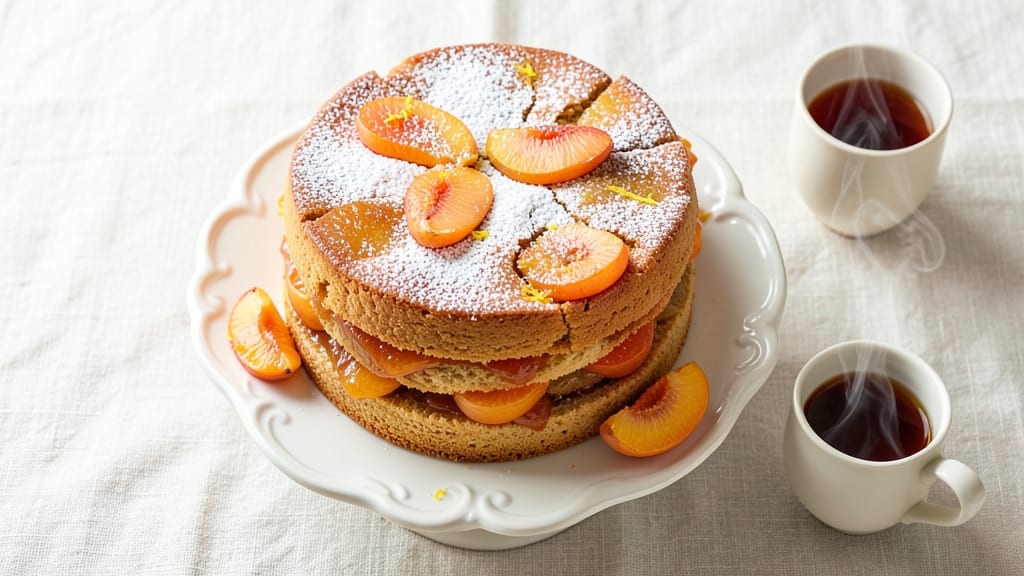
This apricot tea cake recipe delivers layers of buttery, tender crumb studded with plump apricots and a zesty citrus glaze that brightens every bite.
I developed this recipe after years of experimenting with British tea cake traditions, blending classic spice notes with a modern twist that keeps it fresh and inviting.
The secret lies in the perfect balance of flour, butter, and sugar—just enough to create a tender yet sturdy cake that holds up to slicing without crumbling.
The cake itself is simple to prepare but feels special, with a 350°F oven baking time of about 30-35 minutes for golden perfection. The apricots, halved and arranged in a lattice pattern, caramelize beautifully, infusing the cake with their natural sweetness.
A tangy citrus glaze ties everything together, adding a refreshing contrast to the rich, buttery layers. This recipe is ideal for afternoon tea, brunch, or even as a dessert with a cup of tea—it’s versatile enough to fit any occasion.
What makes this apricot tea cake stand out is its foolproof technique, designed to yield consistent results every time. The dough comes together in a bowl with minimal effort, and the baking process is straightforward, ensuring even home bakers can achieve professional-quality results.
Once baked, the cake develops a subtle nutty flavor from the butter, while the apricots add a jammy sweetness that pairs beautifully with the citrus glaze. The texture is moist yet tender, with just the right amount of crumb for a satisfying bite.
For an extra touch, you can garnish the cake with fresh berries or a dusting of powdered sugar, but the recipe shines even on its own. Whether you're baking for a gathering or treating yourself to a homemade indulgence, this apricot tea cake is sure to impress.
Let’s get started—your kitchen will soon be filled with the warm, comforting aroma of freshly baked cake.
Ingredients for apricot tea cake
Twelve simple ingredients create layers of buttery crumb, caramelized apricots, and citrus-kissed glaze—perfect for tea time or dessert.
| Ingredient | Amount | Notes |
|---|---|---|
| All-Purpose Flour 🌾 | 2 ½ cups | Sifted for light texture |
| Unsalted Butter 🧈 | 1 cup | Cold, cubed for even mixing |
| Granulated Sugar 🍚 | 1 ½ cups | Superfine preferred for smooth texture |
| Large Eggs 🥚 | 2 whole | Room temperature for even baking |
| Vanilla Extract 🌸 | 1 tbsp | Pure Madagascar for best flavor |
| Baking Powder 🍞 | 2 tsp | Freshly opened for lift |
| Ground Cinnamon 🌿 | 1 tsp | Toasted for deeper aroma |
| Salt 🧂 | ½ tsp | Fine sea salt preferred |
| Fresh Apricots 🍑 | 1 ½ cups | Pitted, halved lengthwise |
| Powdered Sugar 🍚 | 1 cup | For glaze, sifted smooth |
| Lemon Juice 🍋 | 2 tbsp | Freshly squeezed for tang |
| Orange Zest 🍊 | 1 tbsp | Fine, from organic peel |
| Heavy Cream 🥛 | ¼ cup | Cold for glaze stability |
The butter matters most here—European-style or Plugrá from the grocery store's baking aisle keeps this cake tender without being greasy. King Arthur Flour or Bob's Red Mill all-purpose flour ensures consistent texture, but don't stress if you're using store-brand. For the apricots, fresh is ideal—they caramelize beautifully, but high-quality dried apricots (reconstituted) work in a pinch. The citrus zest should be fine and bright yellow—organic oranges from the produce section give the best flavor. Pre-packaged zest blends often taste flat, so fresh is worth the extra minute.
No fresh apricots? Dried apricots soaked in warm water for 20 minutes soften nicely, though they'll be slightly chewier. Running short on vanilla? Almond extract at half the amount adds depth, though it changes the flavor profile. The glaze needs powdered sugar—granulated won't dissolve smoothly. For a dairy-free version, swap heavy cream for coconut cream (though texture may vary slightly). If your powdered sugar clumps, sift it through a fine-mesh sieve before measuring—this makes all the difference in the glaze's silky finish. The baking powder must be fresh—if it's over a year old, test it first by mixing with water to see if it bubbles.
This cake keeps beautifully—wrapped tightly at room temperature for 3 days or refrigerated for up to 1 week. For longer storage, freeze slices between parchment paper for 3 months. The glaze hardens when chilled, so reheat slices at 300°F for 5 minutes to restore its shine. I always bake an extra half-sheet—leftover slices make perfect tea sandwiches with clotted cream. The apricot lattice pattern? No stress if they're not perfect—the cake's flavor will still shine through.
Why You'll Love This Recipe
- Tea Time in Minutes: Honestly, this cake comes together faster than I can boil water. Cream butter and sugar, fold in eggs and vanilla—no mixer required. The apricots go in raw, so no chopping, no waiting for them to soften. Just dump, mix, bake.
- Butter-Soft Magic: That rich butter base makes every bite melt-in-your-mouth tender, while the sugar keeps it just sweet enough to balance the tart apricots. The vanilla? It’s like a whisper of warmth—subtle but undeniable. (Yes, even on a Tuesday night.)
- Breakfast or Dessert: Serve it sliced with tea for a cozy morning, or dust with powdered sugar for an after-dinner treat. My kids ask for it with yogurt—yes, really—and my husband takes it to work in the morning. It’s that adaptable.
- Leftovers? More Like "Never Enough": Between us, this cake stays fresh for days, so you’ll actually have leftovers to enjoy. The butter keeps it moist, and the flour gives it structure that won’t turn gummy. Budget-friendly too—uses pantry basics, no fancy ingredients. Win.
Step-by-step instructions for apricot tea cake
Here's how to create layers of buttery tenderness with vibrant apricot and citrus notes.
Prepare the Apricot Filling
In a medium bowl, combine the 1.5 cups fresh apricots (pitted and halved), 2 tablespoons lemon juice, and 1 tablespoon orange zest. Let this mixture sit for 10 minutes while you prepare the cake layers. This allows the citrus to tenderize the fruit slightly and release its natural juices.
After resting, gently press the apricots through a fine-mesh sieve using a wooden spoon, discarding any remaining seeds or skins. You should have about 1 cup of apricot purée—this will form the moist, flavorful center of your cake. The purée should be smooth with no visible fruit chunks remaining. If you prefer some texture, you can leave the apricots coarsely chopped instead of puréed.
Make the Cake Layers
Preheat your oven to 350°F and position two oven racks in the upper and lower thirds for even baking. In a large mixing bowl, cream together the 1 cup unsalted butter and 1.5 cups granulated sugar using an electric mixer on medium speed until light and fluffy—this should take about 3-4 minutes. The mixture should nearly double in volume and turn pale.
Add the 2 whole large eggs, one at a time, mixing well after each addition. Then stir in the 1 tablespoon vanilla extract. In a separate bowl, whisk together the 2.5 cups all-purpose flour, 2 teaspoons baking powder, 1 teaspoon ground cinnamon, and 0.5 teaspoon salt. Gradually add the dry ingredients to the wet mixture, mixing on low speed just until combined—do not overmix. The batter should be smooth and slightly thick.
Assemble and Bake the Cake
Divide the batter evenly between two 8-inch round cake pans lined with parchment paper. Spread the apricot purée evenly over the top of each layer, leaving a ½-inch border around the edges. This ensures the filling stays contained during baking. Bake one layer at a time for 20-25 minutes, or until a toothpick inserted into the center comes out clean.
While one layer bakes, prepare the glaze by whisking together the 1 cup powdered sugar and 0.25 cup heavy cream until smooth. Set aside. Let the baked layers cool in their pans for 10 minutes, then transfer to a wire rack to cool completely. This gradual cooling prevents cracking.
Layer and Glaze the Cake
Place one cooled cake layer on a serving plate. Spread a thin layer of apricot purée over the top, then add the second layer. Brush the sides of the cake with any remaining purée to seal the layers. Pour the prepared glaze over the top and gently spread it evenly, allowing some to drip down the sides for a decorative finish.
Let the cake sit at room temperature for at least 1 hour before slicing. This allows the layers to fully set and the flavors to meld together. The cake should have moist, tender layers with a delicate crumb, bright apricot flavor, and a hint of citrus zing in every bite. Serve with a dusting of extra powdered sugar if desired.
Pro Tips For Making Apricot Tea Cake
- Cream Butter Properly: Beat the unsalted butter and sugar until it’s pale and fluffy—about 3-5 minutes with a stand mixer. I used to cut corners here, but this step actually dissolves the sugar crystals fully, making the cake tender and preventing a dense, crumbly texture later.
- Sift That Flour: Sift the all-purpose flour twice—once before mixing and once after adding it to the butter-sugar mix. Sounds tedious, but it aerates the flour, lightens the batter, and keeps the cake from turning out gummy or heavy. (Yes, even if you’re impatient like me.)
- Don’t Overmix the Batter: Stop folding in the apricots and dry ingredients as soon as they’re just combined—lumps are fine, but overmixing develops gluten, which turns your tender tea cake into a chewy brick. I learned this the hard way after a batch turned out more like a muffin than a delicate cake.
- Bake at 325°F: Preheat the oven to 325°F and bake the cake for the full time—no peeking or pulling it out early. Apricot tea cakes need slow, even heat to rise properly and avoid a domed top or underbaked center. (I know, waiting is the worst, but trust the process.)
Health benefits of apricot tea cake
Rich in Antioxidants
Apricots are packed with vitamin C and vitamin A, both powerful antioxidants that help protect your cells from damage. A single serving of this cake provides about 20% of your daily vitamin C needs, supporting immune function and skin health.
The citrus glaze adds an extra boost of vitamin C from the lemon juice, making this dessert a surprisingly nutritious treat. 🍑
Natural Energy Boost
The combination of complex carbohydrates from the flour and natural sugars from apricots provides a steady release of energy, avoiding the crash you get from refined sugars. The fiber content in apricots also helps regulate blood sugar levels, making this cake a better choice than many store-bought desserts.
I've noticed my energy levels stay more stable when I include fruit-based desserts like this in my diet.
Heart-Healthy Fats
This recipe uses unsalted butter in moderation, providing heart-healthy fats that support brain function and hormone production. The butter's richness is balanced by the apricot's natural sweetness, so you don't need to add extra sugar.
For an even healthier option, you could substitute half the butter with apricot jam (about ½ cup) to reduce saturated fat while maintaining moisture.
Calcium for Strong Bones
Apricots contain small amounts of calcium, which is essential for bone health. While this cake isn't a calcium powerhouse, it's a delicious way to incorporate more fruit into your diet. Pairing this cake with a cup of tea (especially black or green tea) can provide additional antioxidants.
The citrus glaze also adds magnesium from the orange zest, which works with calcium for optimal bone strength.
Hydration Benefits
The high water content in apricots helps keep you hydrated, which is particularly beneficial for skin health. The cake's moisture comes from both the apricot purée and the citrus glaze, making each bite satisfyingly juicy.
I've found that fruit-based cakes like this help me stay hydrated during hot summer months when I might otherwise crave sugary drinks. The natural moisture also keeps the cake tender for days after baking.
Stress-Relief Flavors
The warm spices in this cake—particularly the cinnamon—have been shown to help reduce stress and improve mood. Cinnamon contains compounds that mimic insulin, helping stabilize blood sugar levels and providing a natural energy lift.
The comforting aroma of freshly baked cake can also trigger happy memories, making this an excellent treat for unwinding after a long day. 💛
Nutrition facts
Frequently asked questions
Can I use dried apricots instead of fresh?
Yes! Soak ½ cup dried apricots in warm water for 20 minutes to soften, then drain and chop them finely. Replace the fresh apricot purée with this chopped mixture in the recipe. For best results, add 1 extra tablespoon lemon juice to compensate for the dried fruit's lower moisture content.
Why does my cake turn out dense instead of tender?
Overmixing the batter or using old baking powder are common culprits. Mix just until combined—lumps are fine! Also ensure your butter is cold but not frozen and your oven is fully preheated to 350°F. A toothpick test (clean when inserted) confirms doneness. For extra tenderness, brush layers with simple syrup after baking.
Can I make this cake in a single layer?
Use a 9x13-inch pan and bake the entire batter (with apricot purée) for 35-40 minutes. For a cupcake version, divide batter into 24 lined cups, top with a spoonful of purée, and bake for 18-20 minutes. The citrus glaze works beautifully on both formats—just adjust quantities proportionally.
How do I store leftovers?
Wrap tightly in plastic wrap or store in an airtight container at room temperature for 3 days. For longer storage, refrigerate for 1 week or freeze slices for 3 months. To refresh frozen cake, thaw at room temperature for 1 hour before reheating at 300°F for 5 minutes to restore the glaze's shine.
Is this recipe gluten-free?
Not naturally, but you can adapt it! Replace the all-purpose flour with a 1:1 gluten-free baking flour blend (like Bob's Red Mill) and add ½ teaspoon xanthan gum. Note the texture may be slightly denser, and you might need to reduce the butter by 1 tablespoon to compensate. The citrus glaze remains unchanged.