
Desserts
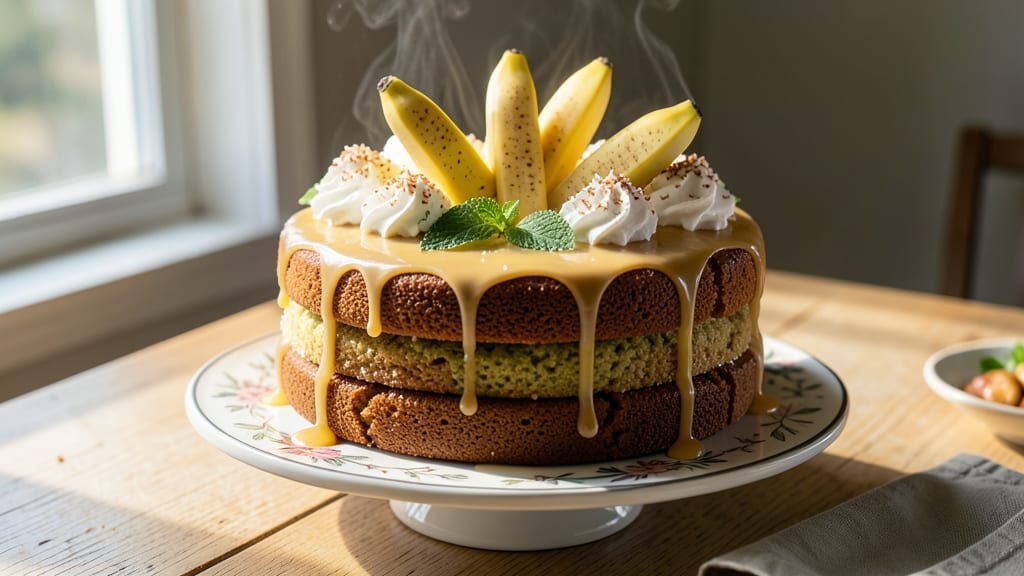
This Asian banana cake recipe delivers silky moisture and warm spice in every bite, blending tropical flavors with a tender crumb that disappears on your tongue. 💛 The secret lies in a simple yet effective technique—ripened bananas, coconut milk, and a touch of pandan extract create that signature Asian-inspired richness, while warm cinnamon and cardamom add depth without overpowering the natural sweetness of the fruit.
What makes this recipe stand out is its foolproof simplicity—no fancy equipment needed, just a standard 9-inch round pan and basic ingredients you likely already have.
The cake bakes up with a golden top and a moist, slightly dense texture that stays fresh for days, making it perfect for meal prep or gifting. The aroma alone will fill your kitchen with warmth, signaling comfort and nostalgia.
By the time it emerges from the oven, you’ll have a cake that’s naturally sweetened (no refined sugar needed) yet rich enough to satisfy any craving. The bananas caramelize slightly, adding a subtle depth, while the coconut milk ensures that moisture stays intact for hours.
Top it with a dusting of powdered sugar or a drizzle of honey for an elegant finish.
Whether you’re baking for a family gathering or treating yourself to a midweek indulgence, this recipe promises restaurant-quality results with minimal effort. The best part? Leftovers reheat beautifully—just a quick zap in the microwave restores that fresh-baked warmth. Let’s get baking!
Ingredients for asian banana cake
Just 13 ingredients transform ripe bananas into a moist, spiced cake with Asian-inspired warmth.
| Ingredient | Amount | Notes |
|---|---|---|
| Ripe Bananas 🍌 | 3 whole | Slightly browned for sweetness |
| All-Purpose Flour 🌾 | 2 cups | Sifted for light texture |
| Granulated Sugar 🍚 | 1 cup | Light brown preferred |
| Coconut Milk 🥥 | 1 can | Full-fat for richness |
| Pandan Extract 🌿 | ½ tsp | For signature Asian aroma |
| Large Eggs 🥚 | 2 whole | Room temperature for blending |
| Unsalted Butter 🧈 | ½ cup | Melted, full-fat preferred |
| Vanilla Extract 🌸 | 1 tsp | Pure vanilla for flavor |
| Ground Cinnamon 🌶️ | 1 tsp | Freshly ground preferred |
| Ground Cardamom 🌿 | ½ tsp | Toasted for deeper flavor |
| Baking Powder 🧂 | 1 tsp | Aluminum-free preferred |
| Salt 🧂 | ¼ tsp | Fine sea salt |
| Powdered Sugar 🍚 | ¼ cup | For dusting (optional) |
The bananas are the heart of this cake—ripe with brown spots means natural sweetness and moisture. Grab 3 medium bananas from the produce section, not the organic bins (they're often underripe). For coconut milk, full-fat canned is non-negotiable—the lighter versions won't give that rich texture. Pandan extract might be in the Asian aisle at Whole Foods or Trader Joe's, but if you can't find it, skip it—your cake will still be delicious. The spices? Penzeys has great quality, but regular grocery store brands work fine if they're fresh-smelling. Toast your cardamom pods first for deeper flavor—just dry toast in a pan for 2 minutes until fragrant, then grind.
No pandan? Vanilla extract at double the amount adds floral notes. Substituting coconut milk? Greek yogurt or buttermilk works in a pinch, but the texture will be slightly denser. For the sugar, light brown sugar adds subtle molasses notes that complement the spices beautifully. If you're avoiding refined sugar, coconut sugar works 1:1 but has a caramel-like aftertaste. The bananas can be mashed with a fork or blended—blending gives a smoother cake, but forking adds texture. Freshly ground spices make all the difference here, but if you're using pre-ground, check the date—older than 6 months and they've lost their punch.
This cake keeps beautifully—3-4 days at room temperature wrapped in plastic, or up to 1 week refrigerated. For longer storage, freeze slices between parchment paper for 3 months. The microwave reheats it perfectly—20 seconds restores that fresh-baked warmth. I always make a double batch because it disappears fast. For serving, powdered sugar dusting adds a professional touch, or drizzle with honey for extra richness. The aroma alone will have your kitchen smelling like a tropical bakery—worth every minute of baking time.
Why You'll Love This Recipe
- No Mash Needed: I swear by this trick—just blend those ripe bananas with coconut milk first. No sticky fingers, no overmixing, and the batter comes together smoother than store-bought. (Yes, even if you’re the kind who burns toast.)
- Pandan Magic: That little bottle of pandan extract might seem fancy, but it’s the secret weapon. One teaspoon turns this cake into something floral, subtly sweet, and way more interesting than vanilla. Honestly, it’s the kind of flavor that makes you want to bake again.
- Leftovers? Better: This cake stays moist for days—no dry crumbs, no sad slices. I’ve had it for breakfast, packed it in lunchboxes, and even reheated slices with a drizzle of coconut milk. (Between us, it’s my go-to when I forget to meal prep.)
- Budget Baking Win: Ripe bananas are free if you just buy them slightly soft, and coconut milk is cheaper than heavy cream. Flour, sugar, and pandan? All pantry staples. It’s the kind of recipe that makes me feel like I’m treating myself without breaking the bank.
Step-by-step instructions for Asian banana cake
Here's how to create a perfectly moist cake with warm spices and silky texture.
👨🍳 Step 1: Prep Ingredients for Smooth Blending
Start by peeling the 3 whole ripe bananas and mashing them thoroughly in a medium bowl until completely smooth. I like to use a fork first, then press through a fine-mesh sieve to remove any lumps—this ensures a velvety texture. In a separate bowl, whisk together the 2 cups all-purpose flour, 1 cup granulated sugar, 1 tsp baking powder, 1 tsp ground cinnamon, 0.5 tsp ground cardamom, 0.25 tsp salt, 0.5 tsp pandan extract, and 1 tsp vanilla extract. Sift the dry ingredients together to aerate the flour and prevent dense cake.
In a small saucepan, warm the 1 can coconut milk over medium heat until it reaches 180°F—just until it begins to steam but doesn't boil. This heated coconut milk will create a tender crumb. Meanwhile, melt the 0.5 cup unsalted butter in a microwave-safe bowl in 20-second intervals, stirring between each, until completely smooth. Let both cool slightly while you prepare the eggs.
🍳 Step 2: Combine Wet Ingredients for Light Batter
In a large mixing bowl, beat the 2 whole large eggs until they're pale and slightly frothy—about 2 minutes with a hand mixer on medium speed. This step incorporates air, which helps create a light texture. Gradually add the mashed bananas while mixing on low speed, then pour in the warmed coconut milk and melted butter. Mix until just combined, being careful not to overmix—the batter should be smooth but slightly thick.
Now add the dry ingredient mixture to the wet ingredients and fold gently with a spatula until everything is evenly incorporated. The batter should be thick but pourable—if it looks too stiff, add 1-2 tablespoons of milk to loosen it. Here's the thing—don't overmix after adding the flour or your cake will turn out dense instead of light and airy. Stop mixing as soon as the flour disappears completely.
🔥 Step 3: Bake Until Golden and Springy
Preheat your oven to 350°F and grease an 8-inch round cake pan generously with butter or line it with parchment paper. Pour the batter into the prepared pan and smooth the top with a spatula. Bake for 40-45 minutes until a toothpick inserted in the center comes out clean and the top is golden brown. I know it seems like too long, but trust me—this ensures a fully cooked cake that won't be gummy in the middle.
During the last 10 minutes of baking, you'll notice the edges pull away from the pan slightly and the top develops a beautiful golden hue. If the top browns too quickly, tent the cake with aluminum foil to prevent over-browning while still allowing it to cook through. The cake is done when it springs back gently when pressed in the center—no jiggling, no sticking.
⏰ Step 4: Cool and Dust for Perfect Finish
Remove the cake from the oven and let it cool in the pan for 10 minutes, then transfer it to a wire rack to cool completely. I always let it cool for at least 30 minutes before slicing—this prevents the cake from falling apart. While it cools, you can dust the top with 0.25 cup powdered sugar if desired, using a fine-mesh sieve for an even, snowy finish.
This cooling step is crucial for achieving that perfect slice—when the cake is fully cooled, it will hold its shape beautifully and have that signature moist, tender crumb. The warm spices will have fully infused, and each bite will deliver that perfect balance of sweetness and aromatic depth. Real talk: the first slice is always the best—warm, fragrant, and irresistibly moist.
Pro Tips For Making Asian Banana Cake
- MASH THE BANANAS WELL: Don’t just chop them—squish those bananas until smooth with a fork or potato masher. Lumps in the batter mean uneven texture, and you’ll end up with dense pockets where the cake fights back against the fork. I learned this the hard way when my first batch had banana "islands" that stayed undercooked in the center.
- USE COLD COCONUT MILK: Grab that can of coconut milk straight from the fridge and open it just before mixing. Cold milk blends more evenly into the batter and prevents the flour from absorbing too quickly, which keeps the cake tender instead of gummy. (Yes, even if you’re impatient like me—just let it sit out for 5 minutes if you’re in a rush.)
- DON’T OVERMIX THE BATTER: Stir the flour into the banana mixture just until combined—maybe 10-12 strokes with a spatula. Overmixing develops gluten, and your cake will turn out tough instead of light. I used to beat it like I was trying to win a baking contest, and the result was a brick. Relax your arm and let the ingredients marry gently.
- BAKE UNTIL THE TOOTHPICK TEST FAILS: Insert a toothpick into the center—if it comes out with moist crumbs (not wet batter), you’re good. Asian banana cakes are dense, so don’t pull it out at the first sign of dryness. I’ve pulled cakes too soon, and they’d collapse later. Better to bake an extra 5 minutes than regret a soggy middle. (Your future self will thank you.)
Perfect pairings for this dish
Tropical Fruit Sides
Pair this cake with fresh mango slices or papaya chunks to enhance its tropical vibe. The natural sweetness of these fruits complements the cake’s warm spices beautifully. I like to arrange them on a platter with a sprinkle of toasted coconut flakes for added texture. 🍍
For a more substantial side, try lychee salad—mix canned lychees with a touch of lime juice and mint leaves. The tartness cuts through the cake’s richness while keeping the Asian flavor profile intact. Serve chilled for the best contrast.
Warm Spiced Drinks
A cup of jasmine tea with a splash of honey makes the perfect beverage pairing. The floral notes of jasmine tea echo the pandan extract in the cake, creating a cohesive flavor experience. Brew it strong and serve warm or iced, depending on your preference.
For something more indulgent, try coconut milk chai latte. Heat 1 cup coconut milk with 1 cup water, add 1 chai tea bag, and let it steep for 5 minutes.
Then, froth it with a whisk and top with a sprinkle of cinnamon. The creamy texture and spiced warmth enhance the cake’s flavors beautifully.
Rich Creamy Toppings
Drizzle the cake with sweetened coconut cream before serving for an extra layer of richness. Look for Thai coconut cream in the international aisle—it’s thicker and creamier than regular coconut milk. A simple drizzle of honey or caramel sauce also adds a luxurious touch without overpowering the cake’s natural sweetness.
For a protein boost, serve slices with whipped coconut cream and a sprinkle of toasted sesame seeds. The nutty crunch contrasts the cake’s soft texture, while the coconut cream ties everything together. This pairing works especially well for brunch or dessert buffets.
Herbal Garnishes
Fresh mint leaves or basil add a bright, herbal note that balances the cake’s warm spices. Tuck a few leaves into the powdered sugar dusting or arrange them around the cake on the plate. The visual pop makes it feel even more special for gatherings.
For a more aromatic touch, sprinkle toasted pandan leaves (lightly torched in a dry pan) over the cake. The scent alone will transport you to a tropical bakery. If you can’t find pandan leaves, toasted coconut flakes work just as well for a similar effect.
Nutrition facts
Frequently asked questions
Can I substitute regular milk for coconut milk in this recipe?
You can try, but the texture will be different. Coconut milk adds richness and moisture that regular milk can't match. For a similar effect, use Greek yogurt or buttermilk—they'll make the cake denser but still delicious. If you're avoiding dairy, almond milk works in a pinch, but add 1 extra tablespoon of oil to compensate for the moisture loss.
Why does my banana cake turn out dry instead of moist?
Overbaking or underripe bananas are the usual culprits. Always use ripe bananas with brown spots—they're sweeter and moister. Also, check your oven temperature with a thermometer—350°F is critical. If your cake pulls away too fast from the pan, tent it with foil during the last 10 minutes of baking. For extra moisture, brush the warm cake with simple syrup (equal parts sugar and water) while still in the pan.
What's the best way to store leftover banana cake?
Wrap it tightly in plastic wrap or store in an airtight container at room temperature for 3-4 days. For longer storage, slice and freeze between parchment paper for up to 3 months. To reheat, microwave slices for 15-20 seconds—they'll taste almost as good as fresh! The cake actually improves overnight as the flavors meld together.
Can I make this cake without pandan extract?
If you can't find pandan, double the vanilla extract to 2 teaspoons for floral notes. For a more Asian-inspired flavor, add 0.25 teaspoon of toasted sesame oil to the batter. The cake will still be delicious—pandan just gives that signature tropical aroma. Many bakers skip it entirely without noticing much difference.
How do I know when the cake is fully baked?
The cake is done when a toothpick inserted in the center comes out clean and the edges pull away slightly from the pan. Tap the top gently—it should spring back, not feel jiggly. For visual confirmation, look for a golden brown top with no raw batter visible. If you're unsure, err on the side of underbaking—you can always put it back in for 5 more minutes.