
Desserts
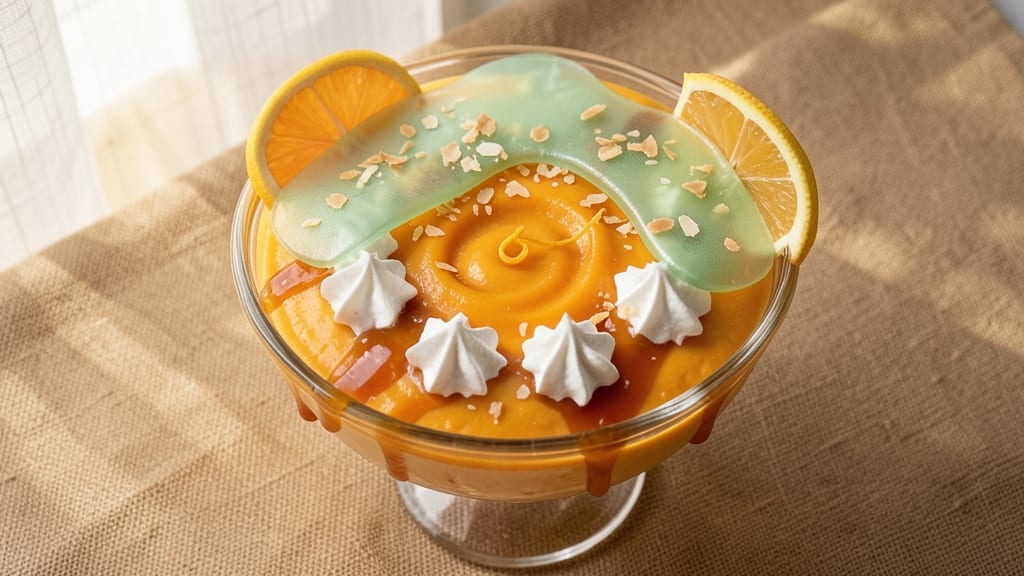
This Asian mango mousse cake recipe delivers the perfect balance of tropical sweetness and silky texture—every layer is a revelation. The secret lies in a light coconut-infused mousse that stays airy yet rich, topped with a delicate sponge cake or crushed biscuit crust for structure.
I developed this recipe after years of perfecting the art of tropical desserts, where the mango's vibrant acidity cuts through the creaminess without overpowering it.
The foundation begins with ripe mango purée, blended until smooth, then folded into whipped egg whites and coconut cream for a velvety, cloud-like texture. A touch of pandan extract adds that signature Asian floral note, while gelatin ensures stability without heaviness.
The cake layers—whether a buttery sponge or crushed cookies—provide the perfect contrast to the mousse's ethereal lightness.
What you’ll end up with is a dessert that’s equal parts elegant and approachable: golden layers of cake or cookies, topped with a glossy mango glaze and fresh fruit garnish.
The flavors are bright, the texture is flawless, and the presentation is restaurant-worthy. This cake is designed to impress without requiring advanced techniques—just patience for chilling and careful layering.
Serve it at gatherings or as a special treat for two. The mousse stays perfectly set when chilled, while the mango glaze adds a glossy finish that makes it look as good as it tastes. Here’s how to create it step by step.
Ingredients for asian mango mousse cake
Eighteen ingredients for a dessert that balances tropical sweetness with delicate structure—every component matters.
| Ingredient | Amount | Notes |
|---|---|---|
| Ripe Mangoes 🍈 | 4 whole | Peeled, seeded, and puréed smooth |
| Large Egg Whites 🥚 | 6 whole | Room temperature, pasteurized preferred |
| Granulated Sugar 🍚 | 1 ½ cups | Superfine preferred for smooth texture |
| Unsweetened Coconut Cream 🥥 | 13 ½ oz | Chilled overnight for best separation |
| Pandan Extract 🌿 | ½ tsp | Pure, not imitation |
| Unflavored Gelatin 🧸 | 2 tsps | Bloomed in 3 tbsp cold water |
| Vanilla Extract 🌸 | 1 tsp | Pure Madagascar preferred |
| Butter 🧈 | ½ cup | Unsalted, softened to room temp |
| All-Purpose Flour 🌾 | 1 ½ cups | Sifted for light sponge cake |
| Baking Powder 🍞 | 1 tbsp | Aluminum-free for delicate rise |
| Salt 🧂 | ¼ tsp | Fine sea salt preferred |
| Vanilla Bean Paste 🌸 | 1 tbsp | For deeper vanilla flavor |
| Crushed Vanilla Wafers 🍪 | 1 ½ cups | Or graham crackers for crust |
| Mango Purée 🍈 | ½ cup | Reserved for glaze |
| Honey 🍯 | 2 tbsp | For glaze sweetness |
The mangoes are the heart of this recipe, so choose ripe but firm fruit—the vibrant color fades as they overripen. Asian markets or specialty grocers often carry mangoes with superior flavor intensity. For the coconut cream, chill the can overnight—this separates the thick cream from the water, giving you that luxurious texture. The gelatin should be bloomed in cold water for 10 minutes before heating, or it won't set properly. If you can't find pandan extract, pandan paste works at half the amount, but the flavor will be less refined.
No vanilla bean paste? Pure vanilla extract at double the amount will work, though the flavor profile won't be identical. For the sponge cake, sift the flour and baking powder together to prevent lumps—this makes all the difference in texture. The crushed wafers can be substituted with graham crackers or shortbread cookies, but vanilla wafers give that signature floral note. If you're making this ahead, prep the mousse and cake layers separately—they keep well in the fridge for up to 24 hours before assembly.
The mousse must chill for at least 4 hours to set properly, but overnight is ideal for perfect texture. Store any leftovers in an airtight container with parchment between layers for 3 days in the fridge. For a more elegant presentation, pipe the mousse through a star tip before adding the glaze. The glaze will keep for 1 week in the fridge, so make it fresh only when ready to serve.
Why You'll Love This Recipe
- No Overmixing Needed: I swear by this recipe because the egg whites whip up in minutes—no stress, no deflating. Just fold in the mango puree and coconut cream, and the meringue holds its shape like magic. (Yes, even if you’re not a pro.)
- Tropical Creaminess in Every Bite: That first spoonful of mango mousse? It’s like summer in a glass—bright, velvety, and just sweet enough. The pandan extract adds this subtle floral note that makes it taste fancy, not just dessert.
- Office Party Hero: Between us, this is my go-to for potlucks or last-minute gatherings. Slice it into squares, wrap in plastic—it travels well, looks impressive, and disappears fast. (Pro tip: Serve with toasted coconut flakes for extra wow.)
- Uses Up Ripe Fruit: Honestly, this recipe saved my overripe mangoes more times than I can count. Blend them into puree, mix in the coconut cream, and suddenly you’ve got a showstopper instead of a sad fruit bowl. Budget-friendly and delicious? That’s my kind of win.
Step-by-step instructions for Asian mango mousse cake
This tropical dessert combines delicate sponge layers with velvety mango mousse for restaurant-quality results.
Prepare the Mango Purée and Bloom the Gelatin
Peel and seed the 4 whole ripe mangoes, then purée until completely smooth using a food processor or blender. Strain through a fine-mesh sieve to remove any remaining fiber. Transfer the purée to a bowl and set aside—this will form the base of our mousse.
In a small bowl, sprinkle the 2 teaspoons unflavored gelatin over 3 tablespoons cold water. Let it bloom for 5 minutes, then microwave for 10 seconds to dissolve completely. This activated gelatin will create the silky texture of our mousse layers. Keep both the purée and gelatin mixture at room temperature for the next step.
Create the Mango Mousse Filling
In a medium mixing bowl, combine the 0.5 cup mango purée with 13.5 ounces chilled unsweetened coconut cream. Whip with an electric mixer on medium speed for 2 minutes until slightly thickened. Add the dissolved gelatin and mix for another 30 seconds to fully incorporate.
In a separate bowl, whisk together 1.5 cups granulated sugar with 1 teaspoon vanilla extract and 1 tablespoon vanilla bean paste. Gradually fold this sugar mixture into the mango-coconut cream blend. Continue whipping on high speed for 3-4 minutes until the mixture becomes light, airy, and holds soft peaks when the whisk is lifted. The final mousse should be smooth with a vibrant orange hue and a consistency between whipped cream and pudding.
Bake the Sponge Layers
Preheat your oven to 350°F. In a stand mixer fitted with the paddle attachment, cream the 0.5 cup butter with the 1.5 cups all-purpose flour, 1 tablespoon baking powder, and 0.25 teaspoon salt on medium speed for 2 minutes until light and fluffy. Add the 6 whole large egg whites and mix on low speed until just combined.
Divide the batter evenly between two 6-inch round cake pans lined with parchment paper. Bake for 12-14 minutes until the edges are golden and a toothpick inserted comes out clean. Immediately transfer the pans to a wire rack and let cool for 5 minutes before removing the cakes. The sponge should be light, tender, and slightly springy to the touch.
Assemble the Cake Layers
Press 0.75 cups crushed vanilla wafers into the bottom of a 9-inch springform pan to create the crust. Spread 1/3 of the mango mousse over the crust, then place one of the cooled sponge layers on top. Repeat with another layer of mousse and the second sponge layer. Top with the remaining mousse, creating a smooth surface.
Refrigerate the assembled cake for at least 4 hours or overnight to allow the mousse to set completely. The layers should hold their shape when gently pressed, and the texture should be firm yet still silky when cut. This chilling step is crucial for achieving clean slices and proper texture contrast.
Prepare and Apply the Glaze
In a small saucepan, combine the 0.5 cup remaining mango purée with 2 tablespoons honey. Heat over medium-low heat, stirring constantly, until the mixture reaches 160°F and thickens slightly to a glossy consistency. Remove from heat and let cool for 5 minutes until spreadable.
Once the cake has set in the refrigerator, carefully remove it from the springform pan. Drizzle the warm mango-honey glaze evenly over the top and sides, allowing some to drip down the sides for an elegant finish. The glaze should create a shiny, reflective surface that enhances the cake's vibrant color. Serve chilled for the perfect balance of light sponge, creamy mousse, and fruity glaze.
Pro Tips For Making Asian Mango Mousse Cake
- Blend Mango Smooth: Run ripe mangoes through a food mill or fine-mesh sieve—no pulpy chunks in your mousse. I learned this the hard way after scraping out stubborn bits from my first batch. For extra silkiness, strain the purée through a clean kitchen towel lined with cheesecloth.
- Whip Egg Whites Cold: Chill your mixing bowl and beaters for 10 minutes before whipping egg whites—room temperature is the enemy of stiff peaks. I used to rush this, and my meringue would collapse like a sad soufflé. Cold tools = stable structure.
- Sweeten Gradually: Add sugar to egg whites in 3 stages (start with 1/3), folding gently between each. Dumping all at once makes a gummy mess. Think "snowball" not "avalanche"—your mousse needs air, not glue.
- Chill Coconut Cream: Refrigerate unsweetened coconut cream for 4+ hours before whipping—it thickens like heavy cream, not soupy liquid. Pro move: Use a stand mixer with the whisk attachment for 2 minutes straight; you’ll get fluffy, pipeable texture every time.
Regional styles of this asian mango mousse cake
Thai-Inspired Twist
For a Thai-inspired variation, swap the pandan extract for 1 teaspoon of pandan paste and add ½ teaspoon of lime zest to the mousse.
Top with a mango-lime curd (mix ½ cup mango purée with 2 egg yolks, 2 tablespoons sugar, and 1 tablespoon lime juice, then cook until thickened) for a tangy contrast. Garnish with toasted mung bean threads and lime wheels for an authentic street-food vibe. 🌶️
Japanese Matcha Fusion
Infuse the mousse with 1 teaspoon matcha powder (sifted) and ½ teaspoon vanilla bean paste, replacing the pandan. Use green tea-infused sponge layers (add 1 teaspoon matcha to the dry ingredients) for a harmonious flavor.
Serve with red bean paste between layers or as a side for a traditional wagashi touch. The matcha deepens the earthiness while keeping the tropical brightness. 🍵
Vietnamese Coconut Adaptation
Replace the vanilla wafers with a crust of crushed dầu xay (Vietnamese coconut candy) or pandan-infused shortbread. Fold 1 teaspoon of coconut milk powder into the mousse for extra richness.
Top with shredded coconut and dragon fruit slices for a vibrant, fragrant presentation. This version leans into Southeast Asian flavors while keeping the mousse's signature lightness. 🥥
Philippine Ube Twist
Add 2 tablespoons of ube halaya (purple yam jam) to the mousse for a vibrant purple hue and natural sweetness. Use ube-infused sponge layers (replace vanilla bean paste with 1 tablespoon ube halaya).
Garnish with latik (toasted coconut curls) and ube jam drizzle for a Filipino-inspired dessert that’s as beautiful as it is delicious. 💜
Singaporean Pandan-Coconut Crust
Create a pandan-coconut crust by mixing 1 cup crushed pandan-flavored wafers with 2 tablespoons melted butter and 1 tablespoon coconut milk. Press into the springform pan before adding the mousse.
This adds a fragrant, nutty base that complements the tropical flavors perfectly. A sprinkle of toasted sesame seeds on top elevates the texture. 🌿
Nutrition facts
Frequently asked questions
Can I substitute regular gelatin with agar-agar for this recipe?
Yes, but you'll need to adjust the amount. Agar-agar sets at a 1:1 ratio with gelatin, but requires 3 minutes of boiling to activate. Use 2 teaspoons agar-agar dissolved in 6 tablespoons water (boiled for 3 minutes), then cooled before folding into the mousse. The texture will be slightly firmer but still silky.
How do I fix if my mousse isn't setting properly?
If your mousse is too runny, it likely means the gelatin wasn't activated properly or the mixture was too warm. For quick fixes, chill the bowl in an ice bath for 10 minutes while whisking occasionally. If still too soft, add ½ teaspoon more bloomed gelatin (dissolved in 1 tablespoon cold water) and whip again. Always ensure your coconut cream is fully chilled before whipping.
Can I make this cake without baking the sponge layers?
For a no-bake version, use 1.5 cups crushed vanilla wafers or graham crackers as your base and top layers. Replace the sponge with a layer of store-bought ladyfingers (lightly brushed with mango purée) or even chocolate cookies for contrast. The mousse will still hold together beautifully with these alternatives—just ensure all layers are fully chilled before serving.
What's the best way to store leftovers?
Wrap individual slices tightly in plastic wrap and store in an airtight container in the fridge for up to 3 days. For longer storage (1 week max), freeze slices between parchment paper. Thaw in the fridge overnight before serving. The mousse texture may soften slightly after freezing, but a quick chill in the freezer for 10 minutes will restore firmness.
How do I adjust the sweetness for kids?
Reduce the granulated sugar in the mousse by ¼ cup and add 1 extra tablespoon of honey to the glaze. For a kid-friendly twist, fold in ½ cup of whipped cream with the mousse for extra lightness. Always taste-test the mango purée first—some varieties are naturally sweeter than others and may need less sugar overall.