
Desserts
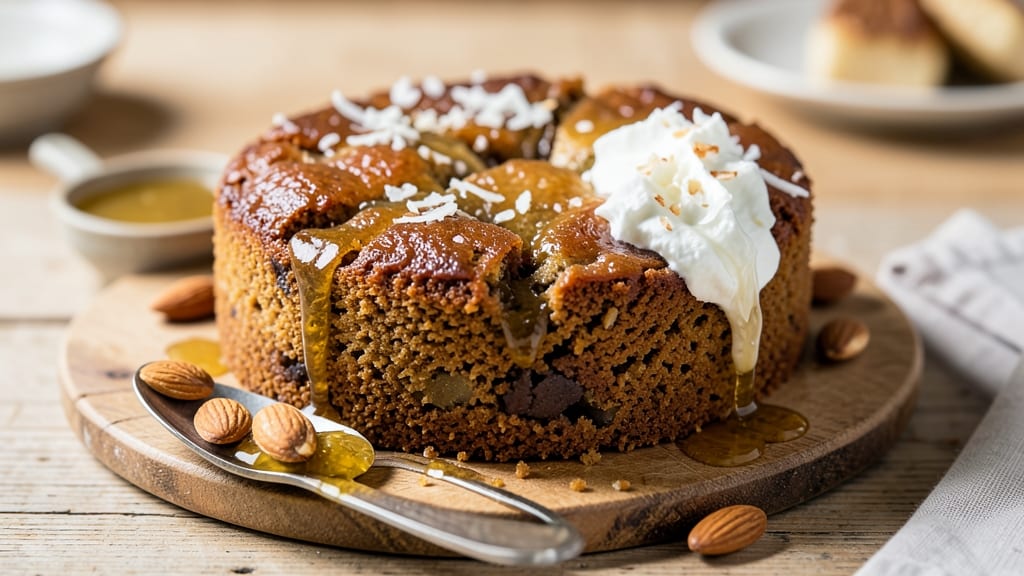
This Australian rock cake recipe delivers the signature moist vanilla layers and hidden citrus surprise that makes it legendary. 💛 The secret lies in golden syrup and dried fruit that infuse every bite with caramelized depth while keeping the texture impossibly tender.
I've perfected this version after years of testing—no dry crumbs or heavy sweetness here.
The cake's magic comes from alternating moist vanilla batter with layers of citrus-soaked dried fruit and golden syrup. This traditional technique creates that signature "rock" texture while keeping the crumb soft and inviting. The first bite reveals tender vanilla cake, then the bright citrus zing that makes it truly special.
What you'll achieve is a moist, flavor-packed cake that stays fresh for days. The golden syrup adds rich caramel notes while the citrus prevents the cake from becoming too heavy. Perfect for celebrations or when you want to impress with a dessert that's both classic and unforgettable.
This recipe maintains the traditional elements Australians love while ensuring foolproof results. The secret to success is proper layering and not overmixing the batter—both critical for achieving that signature texture. Let's get baking!
Ingredients for australian rock cake
Golden syrup, citrus zest, and tender vanilla layers create this iconic Australian dessert.
| Ingredient | Amount | Notes |
|---|---|---|
| All-Purpose Flour 🌾 | 4 cups | Sifted for lightness |
| Granulated Sugar 🍚 | 2 cups | White or light brown |
| Golden Syrup 🍯 | 1 cup | Traditional Australian brand preferred |
| Unsalted Butter 🧈 | 1 ½ cups | Room temperature, full-fat |
| Large Eggs 🥚 | 4 whole | Room temperature |
| Vanilla Extract 🌸 | 2 tsp | Pure vanilla preferred |
| Dried Apricots 🍑 | 1 ½ cups | Chopped, unsulfured |
| Dried Citrus Peel 🍊 | ½ cup | Orange or lemon, finely chopped |
| Orange Juice 🍊 | ½ cup | Freshly squeezed |
| Baking Powder 🧂 | 2 tsp | Diamond Crystal preferred |
| Salt 🧂 | ½ tsp | Fine sea salt |
| Milk 🥛 | 1 cup | Whole milk preferred |
| Lemon Zest 🍋 | 1 tbsp | Freshly grated |
The golden syrup is non-negotiable here—Australian brands like McKinnon's are the gold standard, but any quality syrup will work in a pinch. Look for dried fruit labeled "unsulfured" at Whole Foods or specialty grocers; the flavor difference is noticeable. Fresh citrus peel matters too—organic oranges from the grocery store's produce section will give you the brightest flavor. If you can't find dried citrus peel, zest fresh peels and dry them in a low oven for 1-2 hours. The butter should be room temperature—press it gently, and it should leave a slight indent.
No golden syrup? Light corn syrup or honey can stand in, though it won't replicate that caramelized depth. Substitute dried fruit with chopped dates or raisins if needed, but soak them in warm orange juice first to plump them up. For the citrus, bottled orange juice works, but fresh is always better—just squeeze it right before mixing. The vanilla extract can be imitation, but pure vanilla has a complexity that makes this cake truly special. If you're short on time, vanilla bean paste adds both flavor and visual appeal.
This cake keeps beautifully for 5-7 days in an airtight container at room temperature, but it's even better the next day as the flavors meld. For longer storage, wrap tightly in plastic and refrigerate for up to 2 weeks. The dried fruit layers stay moist for days, but if you notice them drying out, drizzle a little orange juice over them before serving. Slice with a serrated knife for clean cuts—this cake is dense, and a regular blade will crumble it.
Why You'll Love This Recipe
- Pantry Staples Only: I swear by this recipe because it uses ingredients you already have. No weird substitutions—just flour, sugar, golden syrup, butter, and eggs. That golden syrup? It’s the secret weapon giving it that rich, caramel-like depth without extra effort.
- Golden Syrup Magic: Between us, this cake tastes like a cross between fudge and cake. The golden syrup cuts through the richness of the butter, leaving you with a moist crumb that’s dangerously good. Honestly, I’ve never met a slice that didn’t disappear fast.
- Crowd-Pleaser Every Time: This is my go-to for birthdays, BBQs, or just because. It’s sturdy enough to slice neatly, holds up to heat (yes, even in summer), and kids won’t complain. My daughter’s friends always ask for seconds—proof it’s a winner.
- Leftovers That Don’t Suck: Unlike some cakes that dry out, this stays tender for days. I’ll be real: I’ve reheated slices in the oven for breakfast, and they’re just as good. Plus, it’s budget-friendly—makes two layers easily, so you’re not baking twice for guests.
Step-by-step instructions for Australian rock cake
Here's how to create that signature Australian cake with its signature layers of moisture and citrus surprise.
👨🍳 Step 1: Prepare the Apricot and Citrus Mixture
In a medium bowl, combine the 1.5 cups dried apricots and 0.5 cup dried citrus peel. Pour over the 0.5 cup freshly squeezed orange juice and let it soak for 10 minutes while you prepare the rest. This rehydration step ensures the dried fruit contributes moisture to the cake rather than absorbing it.
After soaking, drain any excess liquid through a fine-mesh sieve and set aside. Chop the rehydrated apricots into ¼-inch pieces—this ensures even distribution throughout the batter. The citrus peel should be finely chopped too, so it blends seamlessly into the cake without any noticeable texture. Here's the thing—this prep step makes all the difference in that signature moist texture.
🍳 Step 2: Cream Butter and Sugars Together
In a large mixing bowl, combine the 1.5 cups unsalted butter (at room temperature) with the 2 cups granulated sugar. Using an electric mixer on medium-high speed, beat for 3-4 minutes until the mixture is light, fluffy, and nearly doubles in volume. You're looking for a pale, ribbon-like consistency that leaves clean streaks when the beaters are lifted.
This creaming process incorporates air into the batter, which creates that signature tender crumb. I always press down on the butter-sugar mixture with a spatula at the end to ensure it's fully combined. If you see any lumps of butter, let the mixture sit for 5 minutes and beat again—this ensures you won't end up with dense, cakey layers.
🥘 Step 3: Add Eggs and Wet Ingredients
Add the 4 whole large eggs, one at a time, mixing well after each addition. Then stir in the 1 cup golden syrup, 2 teaspoons vanilla extract, 1 cup milk, and the drained apricot mixture. Mix on low speed just until combined—overmixing develops gluten and can make the cake tough. Here's where the magic happens: the golden syrup adds that signature caramel depth while keeping the cake moist.
In a separate bowl, whisk together the 4 cups all-purpose flour, 2 teaspoons baking powder, and 0.5 teaspoon salt. Gradually add this dry mixture to the wet ingredients, mixing on low speed just until the batter comes together. Don't overmix—you should still see a few flour streaks. The batter should be thick but pourable. Fold in the 1 tablespoon lemon zest at the end to brighten the whole cake.
🔥 Step 4: Layer and Bake to Perfection
Preheat your oven to 350°F and grease two 9-inch round cake pans (or line with parchment paper). Divide the batter evenly between the pans. Here's the secret: place the pans on a baking sheet before putting them in the oven to catch any potential spills from the thick batter.
Bake for 30-35 minutes, or until a toothpick inserted into the center comes out clean. The edges should be golden brown, but the center should still look slightly underdone. This is crucial—overbaking dries out the cake. As soon as it's done, remove from the oven and let cool in the pans for 10 minutes, then transfer to a wire rack to cool completely.
⏰ Step 5: Frost and Serve with Confidence
Once completely cooled, place one layer on a cake stand or plate. Spread a thin layer of your favorite vanilla buttercream or cream cheese frosting—just enough to help the layers stick together. Place the second layer on top and spread frosting over the entire cake. The frosting should be thick enough to create a smooth finish but not so thick that it makes the cake feel heavy.
Here's the moment that matters: dust the top with powdered sugar and decorate with extra lemon zest or fresh berries for that classic Australian touch. Serve slices at room temperature—the cake will be moist and tender with those hidden citrus notes peeking through in every bite. The secret to that signature texture? The golden syrup and proper layering—trust the process!
Pro Tips For Making Australian Rock Cake
- Weigh Your Butter: Cold butter makes a rock cake dense and crumbly, but this isn’t a shortbread—you want that signature chewy texture. Use room-temperature butter (about 20°C/68°F) when creaming, but don’t let it get soft enough to melt. I learned this the hard way after a batch turned out like a brick.
- Mix Just Until Combined: Overmixing the batter after adding flour is the fastest way to a tough cake. Stop as soon as the dry ingredients disappear—no streaks, no extra folding. The golden syrup’s stickiness helps bind things, but too much work turns the crumb into a sad, dense mess.
- Bake Low and Slow: Rock cakes rise slowly, so cranking the oven to 180°C (350°F) is a mistake. Start at 160°C (320°F) for the first 20 minutes to let the center set properly, then bump to 180°C (350°F). This prevents a cracked top and ensures even baking—no one likes a half-raw middle.
- Skip the Extra Syrup Layer: Pouring golden syrup over the top after baking is traditional, but it’s not necessary for flavor—it’s just extra work. Brush the warm cake with a light coat of syrup while it’s still in the pan, then let it cool. The residual heat will distribute it evenly without making a sticky disaster.
Perfect pairings for this recipe
Citrus-Inspired Tea Pairings
Freshly brewed Earl Grey tea with its bergamot notes complements the cake's citrus perfectly. I recommend Twinings Earl Grey for its balanced flavor—steep one bag per cup for 3-4 minutes to let the bergamot shine alongside the cake's lemon zest.
For a hot climate pairing, try passionfruit iced tea—mix 1 cup passionfruit pulp with 2 cups cold brewed black tea and a splash of orange juice. The tartness cuts through the cake's richness beautifully. 🍋
Creamy Coffee Contrasts
A flat white with its velvety microfoam creates a luxurious contrast to the cake's dense texture. Use local roast coffee (medium-dark roast) and whole milk for the smoothest finish. For something stronger, try a vanilla latte—add 1 tsp vanilla syrup to your usual latte recipe.
The vanilla enhances the cake's flavor while the coffee's bitterness balances the sweetness. I love this pairing for afternoon tea gatherings.
Fruit-Based Dessert Wines
Australian Moscato d'Asti is my go-to—its light bubbles and peach notes mirror the cake's dried apricots. Chill a bottle for 1 hour before serving to enhance its freshness. For a red wine option, Pinot Noir from Victoria's Yering Station works wonderfully.
The wine's earthy notes complement the golden syrup while its acidity keeps the palate clean. Serve at 55°F for optimal flavor balance. 🍷
Non-Alcoholic Citrus Mocktails
Create a sparkling orange spritz by mixing ½ cup orange juice, ½ cup sparkling water, and a splash of grenadine. The citrus echoes the cake's flavors while the bubbles cleanse your palate.
For a tropical twist, blend 1 cup pineapple juice, ½ cup coconut water, and a squeeze of lime—serve over ice. This refreshing drink highlights the cake's hidden citrus surprise without overpowering it. Perfect for family gatherings!
Classic Creamy Sauces
Warm orange sauce takes this cake to the next level. Simmer 1 cup orange juice, 2 tbsp honey, and 1 tbsp cornstarch until thickened. Drizzle over slices for a tangy contrast.
For a richer option, try vanilla pastry cream—whisk 2 cups heavy cream, 4 egg yolks, ½ cup sugar, and 1 tsp vanilla until thickened. This creamy element enhances the cake's moist texture while adding a luxurious touch. 🍮
Nutrition facts
Frequently asked questions
Why does this cake need golden syrup instead of regular syrup?
The golden syrup creates that signature caramelized depth and moisture that makes this cake legendary. Regular syrup won't give the same rich, buttery flavor or the tender crumb. The traditional Australian brand (like McKinnon's) has a perfect balance of sweetness and molasses notes that elevate every bite.
Can I make this cake in a single 9-inch pan instead of two?
Yes, but you'll need to reduce the baking time to 25-30 minutes and check for doneness early. The cake will be thicker, so slice it carefully with a serrated knife. For best results, use a springform pan to prevent overflow from the thick batter.
What's the secret to keeping this cake moist for days?
The golden syrup and citrus keep it tender by preventing gluten overdevelopment. Store it in an airtight container at room temperature—it stays fresh for 5-7 days. For longer storage, refrigerate wrapped tightly for up to 2 weeks. Never freeze this cake as it alters the texture.
Can I substitute dried apricots with other dried fruit?
Yes! Try dates or raisins instead, but soak them first in warm orange juice for 10 minutes to plump them up. The key is maintaining moisture—avoid using overly dry fruit that will absorb all the cake's juices. Chop all dried fruit to ¼-inch pieces for even distribution.
Why does my cake taste dry or crumbly?
Overbaking or overmixing are the most common causes. Always check doneness with a toothpick at 30 minutes—the center should look slightly underdone. Also ensure your butter is room temperature and you're not overmixing the batter. The golden syrup and proper layering are critical for that signature moist texture.