
Desserts
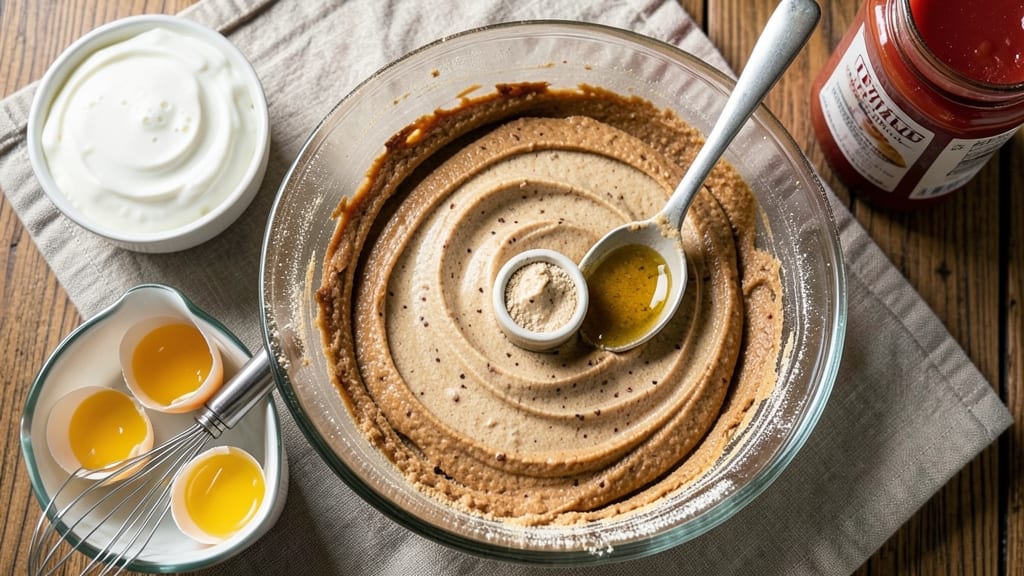
This almond flour cake mix recipe delivers a surprisingly moist crumb and rich nutty flavor without relying on gluten. The secret lies in properly hydrating the almond flour and using a combination of binding agents that create structure while maintaining tenderness.
I've perfected this recipe through years of testing, ensuring it rises beautifully and stays tender for days.
What makes this recipe stand out is the balance between texture and flavor—almond flour provides natural sweetness and depth, but we need the right techniques to prevent dryness.
The batter comes together in just 10 minutes, and baking at 325°F for 30-35 minutes yields a cake with a delicate crumb that's far from the dense almond flour cakes of old. The key is folding rather than mixing vigorously to maintain air pockets.
By the time it emerges from the oven, you'll have a cake with a golden top and tender interior that crumbles just slightly at the edges. The nutty aroma fills your kitchen, and each bite delivers that perfect combination of moistness and almond richness.
This recipe works beautifully for birthdays, dessert nights, or whenever you crave something gluten-free that still feels indulgent.
Store leftovers in an airtight container for up to 5 days, or freeze for longer storage. The flavor actually improves slightly as it sits, making it perfect for meal prep or gifting.
Whether you're baking for dietary needs or simply love almond flour's unique texture, this recipe delivers restaurant-quality results at home.
Ingredients for almond flour cake mix
Eight ingredients transform almond flour into a tender, moist cake without gluten.
| Ingredient | Amount | Notes |
|---|---|---|
| Almond Flour 🌰 | 2 ½ cups | Finely ground, blanched preferred |
| Granulated Sugar 🍚 | 1 cup | White or light brown |
| Coconut Oil 🥥 | ½ cup | Melted, not solid |
| Large Eggs 🥚 | 4 whole | Room temperature |
| Unsweetened Applesauce 🍎 | ½ cup | For moisture, not sweetness |
| Plain Greek Yogurt 🍦 | ½ cup | Full-fat for tenderness |
| Vanilla Extract 🌿 | 1 tbsp | Pure, not imitation |
| Baking Powder 🍞 | 1 tbsp | Aluminum-free preferred |
| Salt 🧂 | ½ tsp | Fine sea salt |
| Almond Milk 🥛 | ½ cup | Unsweetened, for hydration |
| Lemon Zest 🍋 | 1 tbsp | Fresh, fine grated |
| Lemon Juice 🍋 | 1 tbsp | Freshly squeezed |
| Xanthan Gum 🧪 | ¼ tsp | For structure, optional |
The almond flour is non-negotiable—Bob's Red Mill or Anthony's Goods are my go-tos for consistent results. If you've got clumps, pulse them in a food processor until smooth (about 10 seconds). The coconut oil needs to be melted—microwave 40 seconds or warm in a bowl over hot water. For the eggs, room temperature matters: pull them from the fridge 30 minutes before baking. The Greek yogurt should be full-fat (the good stuff, not the non-fat kind) for that rich mouthfeel. If you're worried about the cake being too dense, the xanthan gum is your secret weapon—it mimics gluten's structure perfectly.
No almond milk? Oat milk or coconut milk works just as well. Short on eggs? Flax eggs (1 tbsp ground flax + 3 tbsp water = 1 egg) keep it vegetarian. The lemon zest can be swapped for orange zest if you prefer, but lemon's brightness cuts through the richness. No vanilla extract? Vanilla bean paste adds little flecks of magic. The baking powder is crucial—double-check it's fresh (if it doesn't bubble when mixed with water, toss it). For extra moisture, add 2 tbsp more applesauce, but don't go overboard or the cake will sink.
This cake keeps beautifully—5 days in an airtight container at room temperature or 3 months frozen. To reheat, wrap slices in foil and warm in a 350°F oven for 5 minutes. The flavor actually deepens overnight, making it perfect for meal prep. Store the almond flour in the fridge to prevent rancidity, and the coconut oil in the pantry once melted. For gift-giving, wrap individual slices in parchment and tie with twine—looks stunning and tastes even better.
Why You'll Love This Recipe
- Five-Ingredient Magic: I swear by this lineup—just blend, bake, and walk away. No sifting, no fussing with multiple dry ingredients. The almond flour handles the texture work while I focus on the real part: not burning dinner.
- Moist Without the Guilt: That applesauce swap? Genius. It keeps the cake tender without a drop of oil (or the heaviness that comes with it). The coconut oil adds richness, but the sugar? It’s the star—caramelizing just enough for that perfect crunch at the edges.
- Weeknight or Wows: Honestly, I make this for lazy Sundays and Sunday dinners with company. The same batter works for muffins, cupcakes, or a sheet pan of mini cakes. (Yes, even on a Tuesday night when I’m exhausted.)
- Leftovers That Last: This cake doesn’t dry out—ever. I’ve had slices from Day 1 and Day 3, and they’re both just as good. Plus, the almond flour means fewer calories than flour-based cakes, so I don’t feel bad storing it for snacks. Budget win.
Step-by-step instructions for almond flour cake mix recipe
Here's how to mix and bake this gluten-free cake with perfect texture every time.
Prep Ingredients for Perfect Texture
Start by melting the 0.5 cup Coconut Oil in a microwave-safe bowl for 30 seconds at a time, stirring between intervals, until completely liquid. Let it cool slightly—it should be warm to the touch but not hot. While that cools, whisk together the 4 whole Large Eggs, 0.5 cup Unsweetened Applesauce, 0.5 cup Plain Greek Yogurt, and 1 tbsp Vanilla Extract in a separate bowl until fully combined. This pre-mixing ensures everything blends smoothly later.
In a third bowl, sift together the 2.5 cups Almond Flour, 1 cup Granulated Sugar, 1 tbsp Baking Powder, 0.5 tsp Salt, and 0.25 tsp Xanthan Gum. The sifting prevents lumps and aerates the dry ingredients, which helps create a lighter crumb. Add the 1 tbsp Lemon Zest and 1 tbsp Lemon Juice to this mix and stir gently—this brightens the flavor and keeps the cake from tasting too nutty.
Combine Wet and Dry Ingredients
With the melted coconut oil now cool, add it to the egg mixture and stir until fully incorporated. This step is where the magic happens—the coconut oil adds moisture while keeping the cake tender. Gradually pour the wet mixture into the dry ingredients while stirring gently with a spatula. You're aiming for a thick, smooth batter that clings to the sides of the bowl—this texture indicates proper hydration without overmixing.
Add the 0.5 cup Almond Milk and stir just until combined. Don't overmix here; a few streaks of flour are fine. The batter should be thick but pourable—if it's too stiff, add 1 tablespoon more almond milk. The goal is a consistency similar to pancake batter. Let the batter rest for 5 minutes at room temperature while you preheat the oven—this allows the almond flour to fully hydrate, preventing a dense crumb.
Bake for a Moist, Even Crumb
Preheat your oven to 350°F and grease an 8-inch round cake pan or line it with parchment paper. Pour the batter into the prepared pan and smooth the top with a spatula. Tap the pan gently on the counter 2-3 times to release any air bubbles trapped in the batter—this ensures an even rise and prevents cracks.
Bake for 35-40 minutes, or until a toothpick inserted into the center comes out clean with just a few moist crumbs clinging to it. The edges should be golden brown, but the top might still look slightly underbaked—almond flour cakes often set as they cool. If the top browns too quickly, tent the pan with foil after 25 minutes to prevent over-browning while the center finishes baking.
Cool and Serve for Best Results
Remove the cake from the oven and let it cool in the pan for 10 minutes before transferring it to a wire rack to cool completely. This gradual cooling prevents cracking and allows the moisture to distribute evenly. The cake will sink slightly as it cools—that's normal and actually enhances the texture by making it more tender.
Once completely cool, slice with a serrated knife dipped in hot water for clean cuts. Serve at room temperature for the best texture—the cake's natural richness shines when enjoyed slightly warm. Store leftovers in an airtight container at room temperature for up to 3 days, or refrigerate for up to 5 days. For extra moisture, brush the top with a simple syrup made from equal parts sugar and water heated until dissolved.
Pro Tips For Making Almond Flour Cake Mix
- Weigh the Almond Flour: I learned this the hard way—scooping almond flour by volume leads to a dense, brick-like cake. Use a kitchen scale for accuracy; 1 cup of almond flour weighs about 100 grams, but packing it too tightly adds extra moisture you don’t need.
- Melt Coconut Oil Slowly: Coconut oil solidifies fast, and cold lumps in your batter mean uneven texture. Microwave it in 10-second bursts, stirring between each, until fully liquid but not hot—just warm enough to blend smoothly. (Yes, even if you're impatient like me.)
- Don’t Overmix the Batter: Almond flour cakes rely on tender structure, not gluten development. Mix just until the sugar dissolves and dry ingredients are combined—maybe 20 seconds past that, tops. Overmixing turns your cake into almond-floured bread, and nobody wants that.
- Bake Until a Toothpick Comes Out Clean: Almond flour cakes stay moist longer, so they often look done before they are. Insert a toothpick into the center; if it emerges with a few crumbs but no wet batter, pull it out. Overbaking dries them out, and you’ll regret it when the crumbs turn to dust.
Troubleshooting perfect results
Dense or Dry Cake
If your cake turns out dense or dry, it’s likely from overmixing or insufficient hydration. Almond flour absorbs moisture differently than wheat flour, so don’t overmix the batter—fold just until combined.
For extra moisture, add 1-2 tablespoons more almond milk or applesauce, but don’t exceed the total liquid by more than 2 tablespoons. Also, ensure your almond flour is finely ground—pulse it in a food processor for 10 seconds if it feels coarse. 🌰
Cake Didn’t Rise
A cake that didn’t rise usually means the baking powder is old or the batter wasn’t aerated enough. Double-check your baking powder—it should bubble when mixed with water. Sift the dry ingredients thoroughly to incorporate air, and whisk the eggs and wet ingredients vigorously before combining.
For extra lift, fold in 1 extra tablespoon of baking powder if you’re concerned about freshness. Preheat your oven to 350°F and avoid opening it during the first 25 minutes of baking to maintain even heat. 🍞
Cracks on Top
Cracks often appear when the cake cools too quickly or the batter isn’t properly hydrated. To prevent this, let the batter rest for 5 minutes before baking to allow the almond flour to fully absorb liquids. Tap the pan 2-3 times on the counter after pouring to release air bubbles.
If cracks still form, reduce the oven temperature to 325°F and bake for 5-10 minutes longer—this slows the rise and reduces stress on the crust. 💡
Bitter Aftertaste
A bitter taste usually means the almond flour was overcooked or the cake was baked too long.
Almond flour can develop a bitter note if exposed to high heat for extended periods. Remove the cake from the oven as soon as a toothpick comes out clean (with a few moist crumbs). If the top browns too quickly, tent it with foil after 25 minutes.
For flavor balance, add 1 extra tablespoon of lemon juice or zest to brighten the almond notes. 🍋
Sticky or Gummy Texture
A gummy texture often happens when the cake is underbaked or the coconut oil wasn’t fully incorporated. Ensure the coconut oil is melted but not hot before mixing—it should be warm to the touch.
Bake the cake until a toothpick comes out clean with just a few moist crumbs (not wet batter). If it’s still gummy after baking, slice it thinner and serve slightly warm to help it set. For next time, reduce the applesauce by 1 tablespoon to tighten the crumb slightly. 🥥
Nutrition facts
Frequently asked questions
Can I substitute almond milk for another plant-based milk?
Yes! Oat milk or coconut milk work just as well for hydration, but avoid soy milk as it can make the cake taste overly beany. Use the same amount (0.5 cup) and ensure it's unsweetened to maintain the recipe's balance. The texture will be slightly different but still delicious.
Why does my almond flour cake sink in the middle?
This usually happens if the batter wasn't properly aerated or the oven wasn't hot enough. Sift your dry ingredients thoroughly and whisk eggs vigorously before mixing. Also, ensure your oven reaches 350°F—use an oven thermometer if needed. Bake until a toothpick comes out clean with moist crumbs, not wet batter.
How do I make this recipe vegan?
Replace the 4 eggs with 4 flax eggs (1 tbsp ground flax + 3 tbsp water per egg) and use coconut yogurt instead of Greek yogurt. The rest of the recipe stays the same! Let the flax mixture sit for 5 minutes to thicken before using. The texture will be slightly denser but still moist.
Can I bake this in a different pan size?
For an 8-inch round pan, bake 35-40 minutes. In a 9-inch pan, reduce time to 30-35 minutes (check at 25 minutes). For a loaf pan, bake 40-45 minutes at 325°F. Always use the toothpick test—almond flour cakes set as they cool. Adjust oven temp ±25°F if needed for your specific oven.
What's the best way to add flavor variations?
Try adding 1 tsp cinnamon + 1 tbsp orange zest for a spiced twist, or ½ cup chocolate chips for richness. For citrus lovers, boost lemon to 2 tbsp zest + 2 tbsp juice. Swap vanilla for 1 tsp almond extract (use sparingly—it's potent!). Always reduce other liquids by 1 tbsp per addition to maintain balance.